
Mia Maestro Biography Quotes 14 Report mistakes
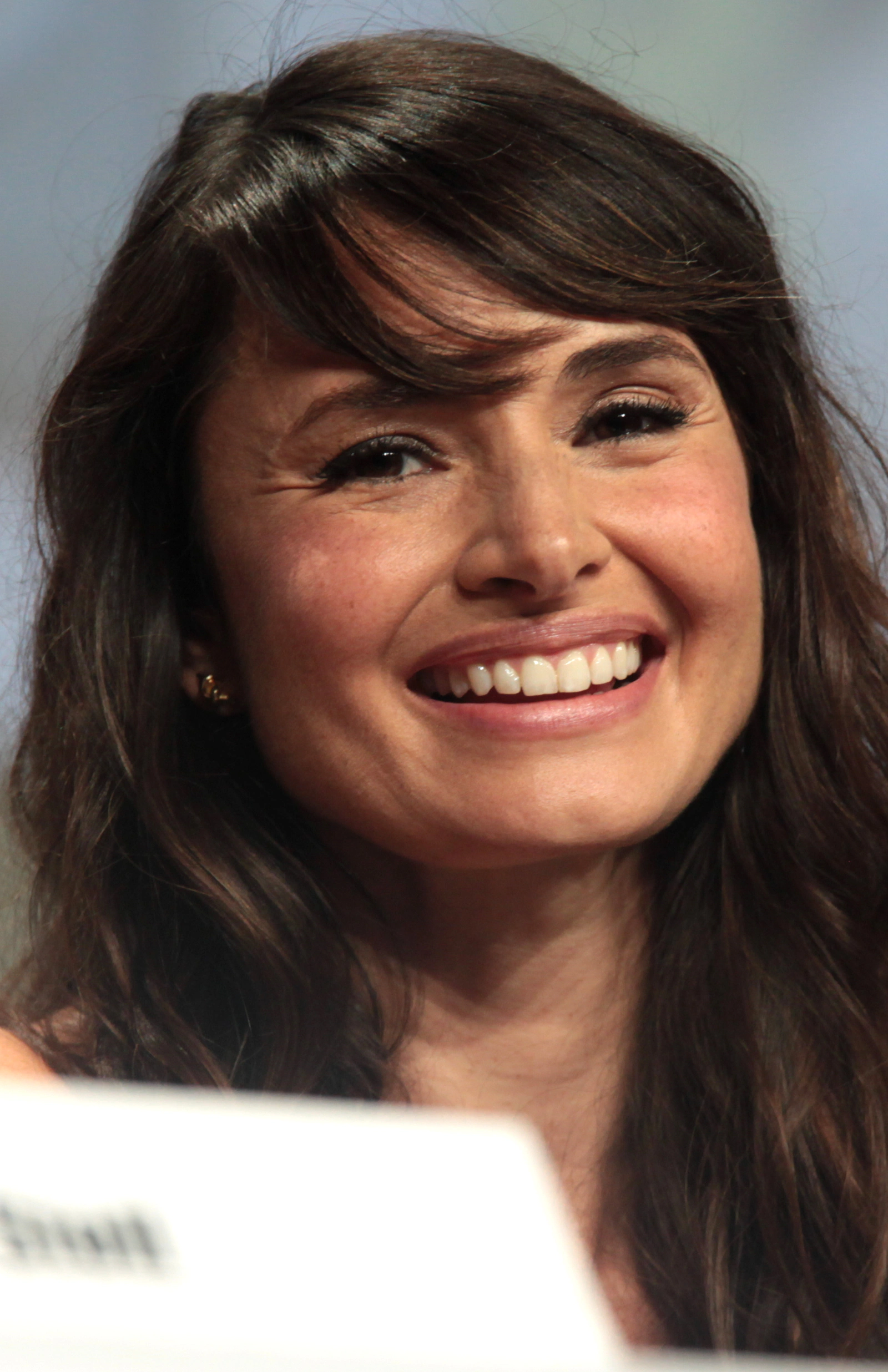
Attr: Gage Skidmore, CC BY-SA 2.0
| 14 Quotes | |
| Occup. | Actress |
| From | Argentina |
| Born | June 19, 1978 Buenos Aires, Argentina |
| Age | 47 years |
| Cite | |
Citation Formats
APA Style (7th ed.)
Mia maestro biography, facts and quotes. (2026, February 11). FixQuotes. https://fixquotes.com/actors/mia-maestro/
Chicago Style
"Mia Maestro biography, facts and quotes." FixQuotes. February 11, 2026. https://fixquotes.com/actors/mia-maestro/.
MLA Style (9th ed.)
"Mia Maestro biography, facts and quotes." FixQuotes, 11 Feb. 2026, https://fixquotes.com/actors/mia-maestro/. Accessed 28 Mar. 2026.
Early Life and Background
Mia Maestro was born on June 19, 1978, in Buenos Aires, Argentina, and came of age in a country still carrying the bruises of dictatorship and the instability that followed. Her childhood memories include not just family routines but the ambient anxieties of public life in late-20th-century Argentina - a context that sharpened her alertness to mood, subtext, and the small ways people perform safety in uncertain times.She has described a home shaped by protective vigilance, recalling, “My parents were overprotective because you could get kidnapped and bombs were exploding in the streets”. That atmosphere helps explain the particular tension and poise she would later bring to screen characters: an ability to convey restraint without blankness, and feeling without exhibitionism. Even early on, she gravitated toward music and performance as private refuge and public language, a combination that suited an artist learning how to translate unease into craft.
Education and Formative Influences
Maestro trained in performance in Argentina before expanding her horizons abroad, building a foundation that mixed stage discipline with a cosmopolitan ear for cadence and accent. Her formative influences were as much cultural as technical: Buenos Aires theater, film, and music, plus the experience of moving between Spanish and English-speaking worlds, which later made her an unusually fluid presence in international ensembles. That bilingual-bicultural formation encouraged her to treat character not as a fixed identity but as a set of choices shaped by place, class, and the pressures of belonging.Career, Major Works, and Turning Points
Her breakout to global audiences came through a string of high-visibility American projects that used her intelligence and contained intensity rather than glamour alone: the romantic drama "Twilight" (2008) introduced her as the compassionate Carmen, while television made her a familiar face through "Alias" (as Nadia Santos), "The Strain" (as Dr. Nora Martinez), and later "Mayans M.C". (as Marisol Reyes). Across these roles she often played professionals - doctors, operatives, caretakers - people who must function under stress, a pattern that matched her gifts for grounded urgency and emotional precision. Period work such as "The Motorcycle Diaries" (2004) located her within Latin American political memory on screen, while her continuing work in U.S. series signaled a turning point into steady, long-form character building, where her subtle shifts of posture and tone could accumulate into psychological portraiture over seasons.Philosophy, Style, and Themes
Maestro approaches acting as self-investigation rather than disguise, and her best performances suggest a disciplined intimacy: she makes a character legible by locating the pressure points where belief meets circumstance. As she puts it, “Acting is a personal process. It has to do with expressing your own personality, and discovering the character you're playing through your own experience”. That credo helps clarify why her screen presence often feels quietly autobiographical without becoming confessional - she is less interested in display than in resonance, letting interior life register through economy, listening, and a finely tuned sense of when to withhold.Her thematic through-line is agency under constraint: women navigating institutions, danger, migration, and intimacy while refusing to be reduced by any of it. She speaks in practical ethics rather than slogans, insisting, “If something's important to you, you make time for it”. , a sentence that doubles as a working method - prepare, return, revise, persist - and as a private standard for relationships and vocation. She also frames artistry as civic energy, not ornament, saying, “I believe that art has the power to change the world. To inspire people, to challenge their perspectives, and to create a better future for all of us”. In that light, her choices make sense: projects that place the body in jeopardy, the conscience in conflict, and the heart in negotiation with culture, language, and history.
Legacy and Influence
Maestro's enduring influence lies in how she normalized a distinctly Argentine, bilingual path within mainstream U.S. film and television without flattening her identity for ease of consumption. She became a model of the modern transnational actor: technically adaptable, emotionally restrained but exact, and credible in both genre work and political-inflected storytelling. For audiences and younger performers, her career offers a persuasive argument that intensity can be quiet, that craft can be ethical, and that a life shaped by instability can yield not spectacle but steady, humanizing precision on screen.Our collection contains 14 quotes written by Mia, under the main topics: Motivational - Art - Music - Love - Parenting.
Source / external links