
Michael Caine Biography Quotes 33 Report mistakes
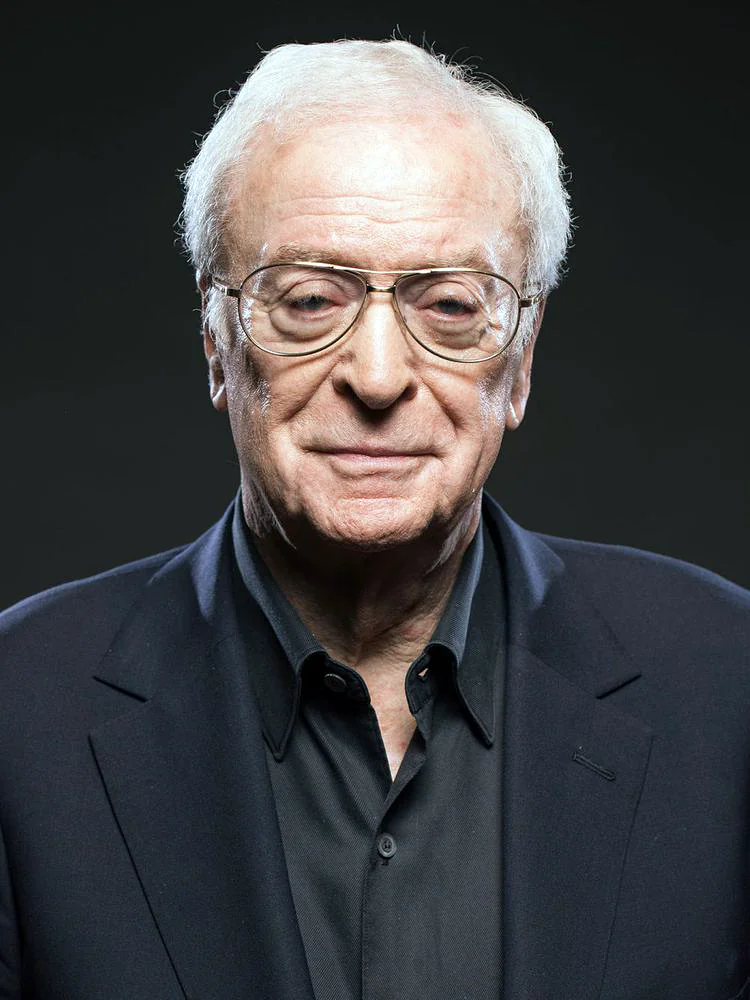
Attr: ew.com
| 33 Quotes | |
| Occup. | Actor |
| From | England |
| Born | March 14, 1933 |
| Age | 93 years |
| Cite | |
Citation Formats
APA Style (7th ed.)
Michael caine biography, facts and quotes. (2026, February 11). FixQuotes. https://fixquotes.com/actors/michael-caine/
Chicago Style
"Michael Caine biography, facts and quotes." FixQuotes. February 11, 2026. https://fixquotes.com/actors/michael-caine/.
MLA Style (9th ed.)
"Michael Caine biography, facts and quotes." FixQuotes, 11 Feb. 2026, https://fixquotes.com/actors/michael-caine/. Accessed 1 Apr. 2026.
Early Life and Background
Maurice Joseph Micklewhite was born on March 14, 1933, in London, England, and grew up in the hard-pressed districts of South London, shaped by the long shadow of the Depression and the dislocations of the Second World War. His father, a fish-market porter, and his mother, a cook and cleaner, lived close to the margin; the family history included institutional care and fragile security, experiences that later gave Caine a finely tuned sense of status, embarrassment, and aspiration. The Blitz and evacuation were not abstract national myths to him but the texture of childhood, teaching him to read a room, conserve emotion, and keep going when fear was ordinary.That background also gave him his first enduring subject: class as lived reality rather than sociological diagram. When postwar Britain advertised opportunity while policing accents and manners, he learned how quickly a voice could be judged and a body sorted. The young Micklewhite cultivated watchfulness as a kind of armor, storing gestures and cadences the way others collected stamps. This early habit of observation would later become his secret instrument: he did not simply perform characters, he measured how they carried their histories.
Education and Formative Influences
He left school early and worked a succession of jobs before national service in the British Army during the early 1950s, including time in Korea, where boredom, danger, and discipline condensed into a tough professionalism. Back in London he committed to acting with the seriousness of someone who knew alternatives were narrow, training at the Westminster school of repertory theater and learning craft the old way - by repetition, failure, and small audiences. In the West End he watched established actors manage timing and breath; in film he studied American naturalism and the new British realism, absorbing how a camera could register thought as much as speech.Career, Major Works, and Turning Points
Adopting the stage name Michael Caine, he broke through in the 1960s as Britain remade itself in the "Swinging London" years, bringing a working-class directness to leading-man roles: Zulu (1964), The Ipcress File (1965), and Alfie (1966) turned his accent and cool restraint into a new kind of star persona. He pivoted between prestige and popular cinema - The Italian Job (1969), Get Carter (1971) - then deepened into morally knotted performances in Sleuth (1972) and The Man Who Would Be King (1975). After uneven 1980s choices, he returned to late-career authority with The Cider House Rules (1999, Academy Award), and became a global fixture through Christopher Nolan collaborations such as Batman Begins (2005), The Dark Knight (2008), and Inception (2010), alongside acclaimed work in The Quiet American (2002) and Youth (2015).Philosophy, Style, and Themes
Caine built an acting philosophy around control - not stiffness, but economy. His best work suggests internal motion beneath a composed exterior, a technique rooted in early hardship and honed for the camera. He famously advised psychological concealment as a form of mastery: “Be like a duck. Calm on the surface, but always paddling like the dickens underneath”. That sentence explains his signature: a still face with active eyes, dialogue delivered as if it were thought, not recited. Even when playing gangsters or charmers, he rarely "shows" effort; the tension is implied, as if survival depends on not letting the world see you sweat.Ambition, in Caine's world, is never romantic; it is work, a ladder that keeps extending. He framed success as a beginning rather than a reward: “When you reach the top, that's when the climb begins”. This restlessness helped him outlast eras that could have fossilized him as a 1960s type. Underneath sits a moral practicality - a refusal to waste the one life he had. “I started with the firm conviction that when I came to the end, I wanted to be regretting the things that I had done, not the things I hadn't”. That psychology - fear of missed chances more than fear of criticism - explains both his daring highs and his occasional missteps, and it gives his characters their recognizable drive: men negotiating dignity, class, and compromise in real time.
Legacy and Influence
Caine endures as a bridge between British social realism and modern blockbuster mythmaking, a star who made working-class presence compatible with sophistication without sanding off its edges. His influence runs through generations of actors who learned that understatement can be charismatic and that accent can be power rather than handicap; his performances in Alfie, Get Carter, and The Ipcress File remain templates for controlled volatility, while his later mentor figures - from The Cider House Rules to Nolan's films - helped define the contemporary cinematic "authority" role. More than a résumé, his career is a case study in mobility: how craft, nerve, and self-invention can rewrite what a leading man looks and sounds like, and how a man from South London can become, without apology, an international measure of screen professionalism.Our collection contains 33 quotes written by Michael, under the main topics: Witty One-Liners - Motivational - Wisdom - Sarcastic - Writing.
Other people related to Michael: Jane Horrocks (Actress), Britt Ekland (Actress), Mark Rydell (Director), Clive Owen (Actor), Len Deighton (Historian), Jack Higgins (Novelist), Guy Hamilton (Director), Philip Kaufman (Director), Lewis Gilbert (Director)