
Michael Landon Biography Quotes 23 Report mistakes
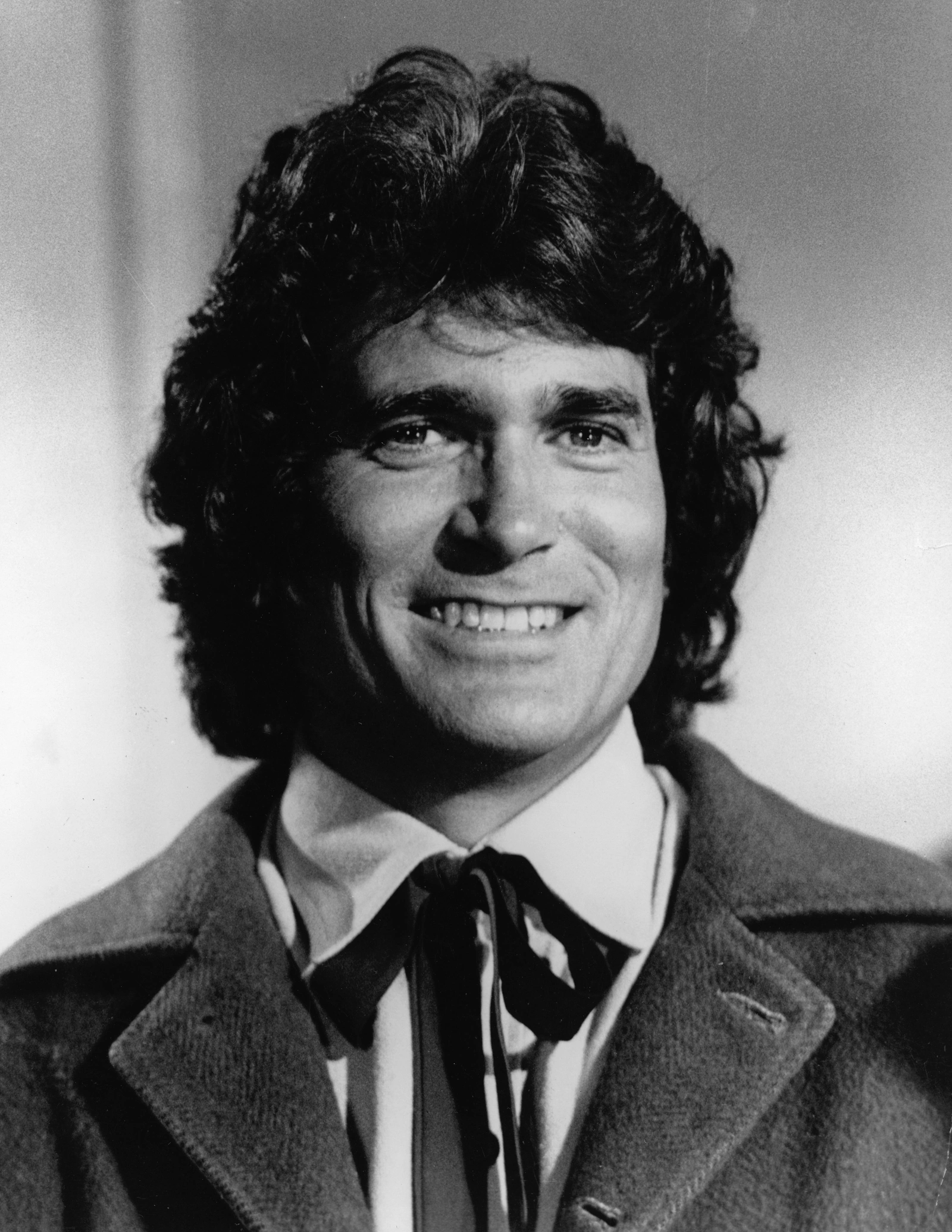
| 23 Quotes | |
| Born as | Eugene Maurice Orowitz |
| Occup. | Actor |
| From | USA |
| Born | October 31, 1936 Queens, New York, U.S. |
| Died | July 1, 1991 Malibu, California, U.S. |
| Aged | 54 years |
| Cite | |
Citation Formats
APA Style (7th ed.)
Michael landon biography, facts and quotes. (2026, February 21). FixQuotes. https://fixquotes.com/actors/michael-landon/
Chicago Style
"Michael Landon biography, facts and quotes." FixQuotes. February 21, 2026. https://fixquotes.com/actors/michael-landon/.
MLA Style (9th ed.)
"Michael Landon biography, facts and quotes." FixQuotes, 21 Feb. 2026, https://fixquotes.com/actors/michael-landon/. Accessed 5 Mar. 2026.
Early Life and Background
Michael Landon was born Eugene Maurice Orowitz on October 31, 1936, in Forest Hills, Queens, New York, to Jewish parents navigating the pressures of American show business and assimilation. His father, Eli Maurice Orowitz, worked in theater and publicity; his mother, Peggy Orowitz, had performed and carried her own fierce ambitions into the home. The family later settled in the Philadelphia area, where postwar expectations of normality collided with a household Landon would later suggest felt emotionally volatile and performative.
That early tension shaped his hunger for belonging and control. He learned to read rooms, to improvise moods, and to protect a private self behind jokes and charm - skills that later became a public persona of sturdy decency on television. Yet his life would repeatedly return to the theme of making a family in front of millions because the original one felt unstable, a compensation that became both vocation and inner project.
Education and Formative Influences
At Collingswood High School in New Jersey, Landon became a standout athlete, especially in javelin, and briefly seemed bound for a different future. A sports injury and financial realities pushed him away from that track, and he drifted toward modeling and bit acting in the late 1950s, adopting the stage name "Michael Landon" as he tried to build a new identity that sounded wholly American and camera-ready. The era rewarded reinvention, and Landon absorbed the grammar of television just as it was becoming the dominant national hearth.
Career, Major Works, and Turning Points
Landon broke through as Little Joe Cartwright on NBC's Bonanza (1959-1973), maturing on-screen as the medium matured, then made a decisive pivot from actor to authorial force. He created, wrote, directed, and starred in Little House on the Prairie (1974-1983), turning Laura Ingalls Wilder's frontier into an emotionally modern serial about community, moral choice, and family repair. In Highway to Heaven (1984-1989), he doubled down on parable and sentiment, playing a roaming angel tasked with practical grace; for critics, it could be cloying, but for audiences it was a weekly ritual of hope. His final years were defined by public candor after a diagnosis of pancreatic cancer in 1991; he died July 1, 1991, in Malibu, California, at 54, after making his illness part of his last act of communication with the public.
Philosophy, Style, and Themes
Landon's style fused old-fashioned melodrama with an editor's instinct for pace and a preacher's instinct for the closing moral beat. He understood network television as intimate theater: a camera close enough to make moral decisions feel personal, and a recurring cast close enough to simulate kinship. His worlds were built around surrogate families - the Cartwrights, the Ingalls, the travelers on Highway to Heaven - reflecting a psyche drawn to steadiness and forgiveness, yet wary of chaos. He was also a disciplined craftsman who insisted that message and method were inseparable: “Every script I've written and every series I've produced have expressed the things I most deeply believe”. That line is less a boast than a confession that he could not keep autobiography out of the work, even when the setting was 1870s Minnesota or a modern roadside.
At his best, Landon dramatized faith without sectarian detail, leaning on an American civil-religious idea that goodness is actionable and close at hand. “I believe that there is God in all of us”. This was the engine of his recurring plots: broken people as unfinished saints, redemption as a series of small choices, and miracles as something the desperate and the ordinary both can reach for. Late in life, facing a disease that stripped away the illusion of control, he framed courage as labor rather than optimism: “I'm going to beat this cancer or die trying”. The sentence reads like a Landon script, but it also reveals the man - a competitor from his athletic youth, a producer used to fighting for story, and a son still trying to impose meaning on unruly reality.
Legacy and Influence
Landon left an unusually durable imprint on American television: a performer who became an auteur within the constraints of network schedules, shaping not only scenes but the moral weather of prime time. Bonanza remains a cornerstone of the TV western; Little House on the Prairie endures as a multi-generational touchstone, endlessly rerun and reinterpreted; Highway to Heaven stands as a template for the modern uplift drama. His influence is visible in later family-centered series that mix sentiment with social issues, and in showrunners who treat mainstream entertainment as a vehicle for personal belief. Whatever criticism his work receives for simplification, Landon's gift was clarity: he built stories that made millions feel less alone, and in doing so, turned his private search for stability into public mythology.
Our collection contains 23 quotes written by Michael, under the main topics: Motivational - Never Give Up - Dark Humor - Mortality - Sarcastic.
Other people related to Michael: Dan Blocker (Actor), David Rose (Musician), David Canary (Actor)
Source / external links