
Michael York Biography Quotes 12 Report mistakes
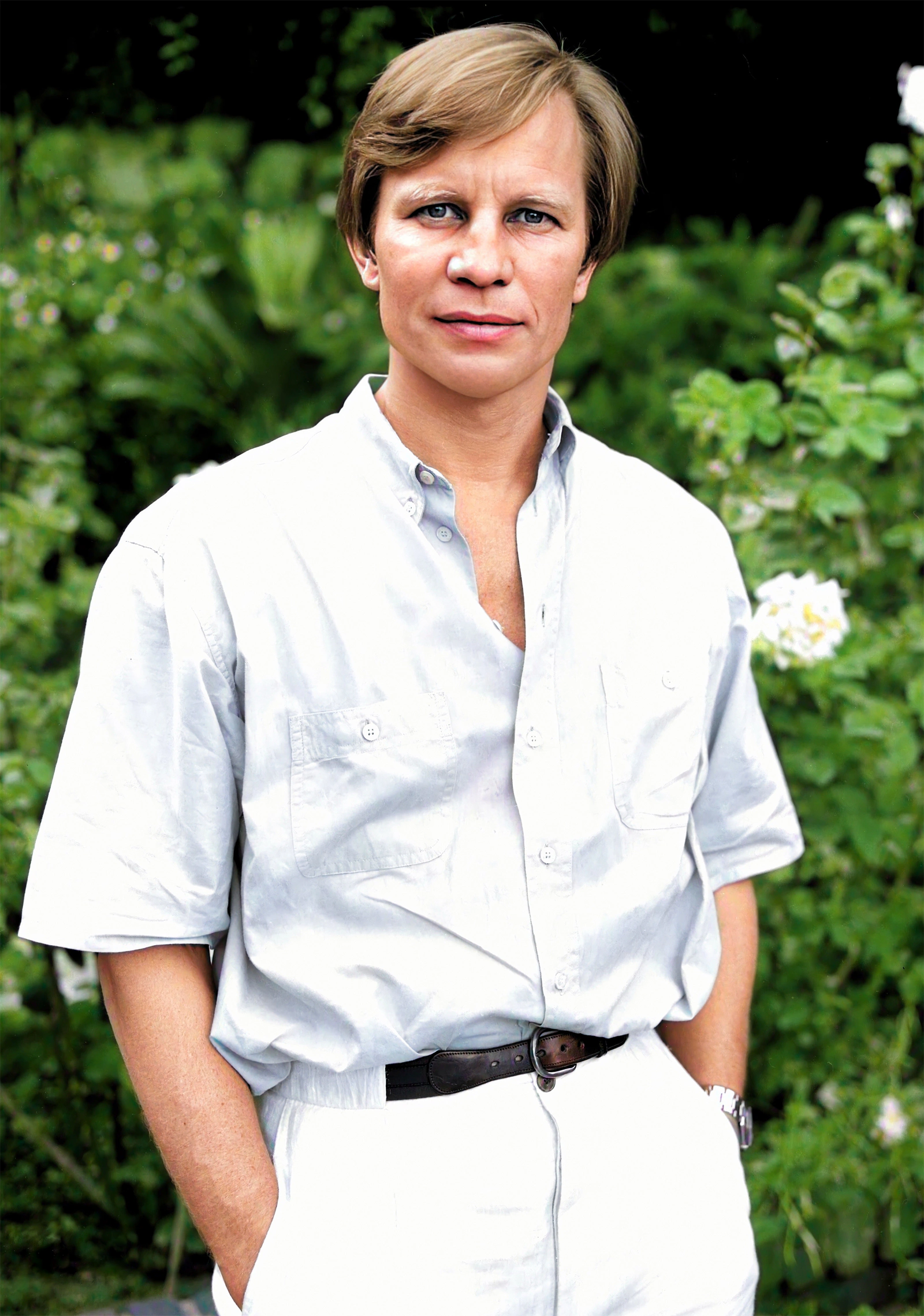
Attr: Allan warren, CC BY-SA 3.0
| 12 Quotes | |
| Born as | Michael Hugh Johnson |
| Occup. | Actor |
| From | United Kingdom |
| Born | March 27, 1942 Fulmer, Buckinghamshire, England |
| Age | 83 years |
| Cite | |
Citation Formats
APA Style (7th ed.)
Michael york biography, facts and quotes. (2026, February 11). FixQuotes. https://fixquotes.com/actors/michael-york/
Chicago Style
"Michael York biography, facts and quotes." FixQuotes. February 11, 2026. https://fixquotes.com/actors/michael-york/.
MLA Style (9th ed.)
"Michael York biography, facts and quotes." FixQuotes, 11 Feb. 2026, https://fixquotes.com/actors/michael-york/. Accessed 12 Feb. 2026.
Early Life and Background
Michael York was born Michael Hugh Johnson on March 27, 1942, in the United Kingdom, into a wartime generation that grew up amid rationing, austerity, and the slow remaking of British identity after 1945. That historical mood - restraint on the surface, restlessness underneath - would later suit an actor whose best work often balances polish with yearning. He adopted the stage name Michael York early, a practical step in a profession where names can carry class signals and expectations before a line is spoken.Raised in England as postwar culture shifted from deference to experimentation, York came of age just ahead of the "Swinging London" boom. British film and theatre were loosening old hierarchies, yet still trafficked in typecasting - the clipped aristocrat, the earnest officer, the satirist with a razor smile. York would learn to use those templates as starting points rather than cages, gradually widening his image from romantic lead to ironic narrator, from period decorum to contemporary comedy.
Education and Formative Influences
York studied at the University of Oxford (St Peter's College), reading English, and the training mattered as much for discipline as for taste: rehearsal rooms, verse speaking, and a syllabus that ran from classical drama to modern stagecraft. He later summed up the push Oxford gives a young performer: "The great thing about university is that they incline you to get up and do it, from the Classics to modern plays, to the humor that Monty Pythons made popular". The period also sharpened his literary instincts; he has described himself not only as a performer but as a writerly mind, comfortable with language and criticism, and he has spoken openly about enjoying writing and studying English .Career, Major Works, and Turning Points
York emerged through theatre and British screen work in the 1960s, then became internationally recognizable with film roles that exploited his refined diction and alert intelligence - among them Cabaret (1972) as Brian Roberts, which placed him in the middle of Weimar Berlin's glamour and approaching catastrophe, and The Three Musketeers (1973) and its sequel as the idealistic D'Artagnan, a part that fused athletic comedy with romantic sincerity. Later decades showed his adaptability: narrations, television, and a renewed pop-culture visibility via the Austin Powers films as Basil Exposition, where his measured delivery became a comic instrument. His longevity also reflects a craft built for changing industries - from the studio system's last glow, through New Hollywood, to franchise-driven comedy - without losing a distinctly British clarity of presence.Philosophy, Style, and Themes
York's screen persona often begins with elegance - the controlled voice, the educated cadence - but his most interesting performances reveal a private uncertainty beneath the polish. He has been candid about the way early success can harden into a public mask, recalling how an aristocratic role shaped others' perceptions: "I had been in a film, playing a young British aristocrat... 'You cannot bring him.' but I think that I've done enough to shatter the image". That sentence contains both the sting of social caricature and his determination to outgrow it; his career choices repeatedly test the distance between a role's surface and the actor's inner range.He also thinks about acting as a blend of chance and intention - the audition that changes a life, the part that "finds" you when you are not looking - and he frames it almost as a philosophical riddle: "So that is how I ended up with those two titles, I like Accidentally on Purpose better - it is how we work in our trade - is it really an accident, or is there a thread of destiny in there? That was the intention, I am not sure I found out". That ambivalence - part professionalism, part wonder - suits an actor who often plays intermediaries: the observer in Cabaret, the storyteller in Austin Powers, the civilized man translating chaos for the audience. Even his comedy tends to be anchored in respect for craft and collaborators rather than ego, as when he praised Mike Myers' inventiveness: "They sent me the script and I thought that there was something very appealing and funny about it... I did not know the extent to which he would make this creation". The through-line is a belief that performance is shaped by ensemble, timing, and history as much as personal will.
Legacy and Influence
Michael York's lasting influence lies in how he expanded the idea of the "English gentleman" on screen - from romantic lead to satirical straight man to reflective narrator - while maintaining an intellectual relationship to text and character. He belongs to a cohort that bridged classical training and mass entertainment, demonstrating that technique can serve both serious drama and broad comedy without condescension to either. For audiences, his voice and bearing became a kind of cultural shorthand; for actors, his career models durability through reinvention, using early typecasting as material to be reshaped rather than a fate to be accepted.Our collection contains 12 quotes written by Michael, under the main topics: Motivational - Writing - Learning - Movie - Health.
Other people related to Michael: Richard Chamberlain (Actor), Liza Minnelli (Actress), Richard Lester (Director), Jenny Agutter (Actress), Jay Roach (Director)
Source / external links