
Nick Mancuso Biography Quotes 14 Report mistakes
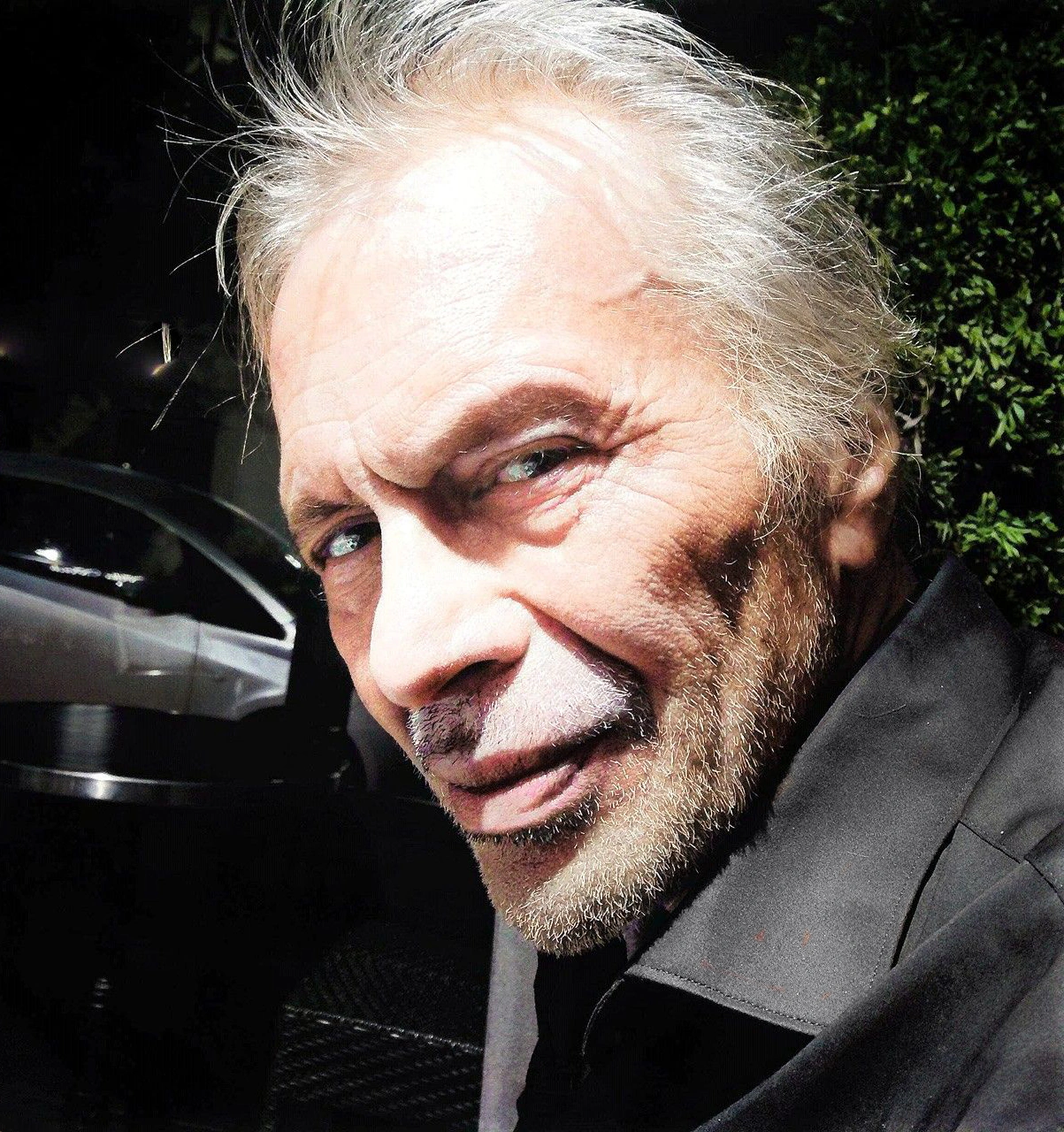
Attr: LaïlaFrances Dekhil, CC BY 4.0
| 14 Quotes | |
| Born as | Nicodemo Antonio Massimo Mancuso |
| Occup. | Actor |
| From | Italy |
| Spouses | Lady Patricia Pelham-Clinton-Hope (1981-1983) Barbara Williams (1987-1993) Nadia Capone (1998-) |
| Born | May 29, 1948 Mammola, Calabria, Italy |
| Age | 77 years |
| Cite | |
Citation Formats
APA Style (7th ed.)
Nick mancuso biography, facts and quotes. (2026, February 11). FixQuotes. https://fixquotes.com/actors/nick-mancuso/
Chicago Style
"Nick Mancuso biography, facts and quotes." FixQuotes. February 11, 2026. https://fixquotes.com/actors/nick-mancuso/.
MLA Style (9th ed.)
"Nick Mancuso biography, facts and quotes." FixQuotes, 11 Feb. 2026, https://fixquotes.com/actors/nick-mancuso/. Accessed 11 Feb. 2026.
Early Life and Background
Nick Mancuso was born Nicodemo Antonio Massimo Mancuso on May 29, 1948, in Italy, into the aftershocks of a continent rebuilding its economies and identities. His childhood began in a culture thick with family obligation and Catholic ritual, but his biography is ultimately a story of migration and reinvention - an actor formed as much by border crossings as by training.His family emigrated to Canada while he was young, and the immigrant condition - the pressure to translate yourself, to watch for cues, to survive by reading a room - became an early apprenticeship in performance. Mancuso often spoke of learning English through popular culture and school discipline, a combination that taught him both mimicry and defiance; in his later work, he could play tenderness without sentimentality and danger without caricature, suggesting a temperament built on alertness and adaptation.
Education and Formative Influences
Mancuso attended a Catholic public school in Canada and absorbed the contradictory lessons of that world: authority and confession, community and shame, the body policed but endlessly imagined. "I went to a catholic public school St Helens and learned English by watching bugs bunny cartoons". That single recollection is more than charming autobiography - it captures the two engines that would drive him: the institutional demand to assimilate and the anarchic freedom of screen comedy, where voice and timing can overturn power.Career, Major Works, and Turning Points
He began acting in his teens and entered the professional ranks unusually early, then made his name through theatre before film and television expanded his reach. "I started to act in highschool and became a professional actor at 19". In Canada he aligned himself with the surge of postwar cultural confidence that sought national stages and homegrown stars, working across the country in an era when touring repertory was both livelihood and mission. "I was on a founding members of the Canadian theatre movement in the late 60's till the mid 70's and performed theatre from Halifax to Vancouver and all places in between". From that base he moved into international screen work, eventually becoming widely recognized for complex, often volatile roles - men who mixed sensuality, menace, charisma, and wounded pride - and later as a director and producer, pursuing independence as much as visibility.Philosophy, Style, and Themes
Mancuso's philosophy of acting begins with motion: career as itinerary, identity as something rebuilt nightly under different lights. "The actor's life is the road. Always has been, always will be. That is his cross and his glory". The line reads like a credo and an alibi. It explains the restlessness in his characters - men who appear in transit even when seated - and it also hints at the psychological cost: intimacy repeatedly deferred, stability treated as a tempting fiction. The "cross" is not only exhaustion but exposure; the "glory" is a life spent close to transformation, where a new part can feel like a new self.His screen presence often leans into appetite and power, yet he frames those impulses as democratic, even leveling. "Sex is the great equalizer". In his work, desire frequently strips away social pretense - class, accent, and ideology recede, and what remains is bargaining, vulnerability, and the need to be seen. That sensibility connects to his immigrant origin story: when language is borrowed, the body becomes a first language, and charisma becomes a kind of passport. Even when he plays authority figures, there is usually a crack where longing shows through, as if the performance is always testing whether control can survive contact with want.
Legacy and Influence
Mancuso's legacy sits at the intersection of Canadian cultural institution-building and the internationalizing pull of film and television. He helped embody a generation of performers who proved that Canadian theatre could produce artists of global range, while his later screen work demonstrated how an immigrant background could become artistic advantage rather than obstacle - an ability to shift registers, to make identity feel chosen rather than inherited. For audiences, his enduring influence is less a single definitive role than a recognizable signature: the sense of a man always negotiating between tenderness and threat, and an artist who treats acting not as a mask but as a permanent state of travel.Our collection contains 14 quotes written by Nick, under the main topics: Witty One-Liners - Art - Mortality - Sarcastic - Learning.
Source / external links