
Olivier Martinez Biography Quotes 31 Report mistakes
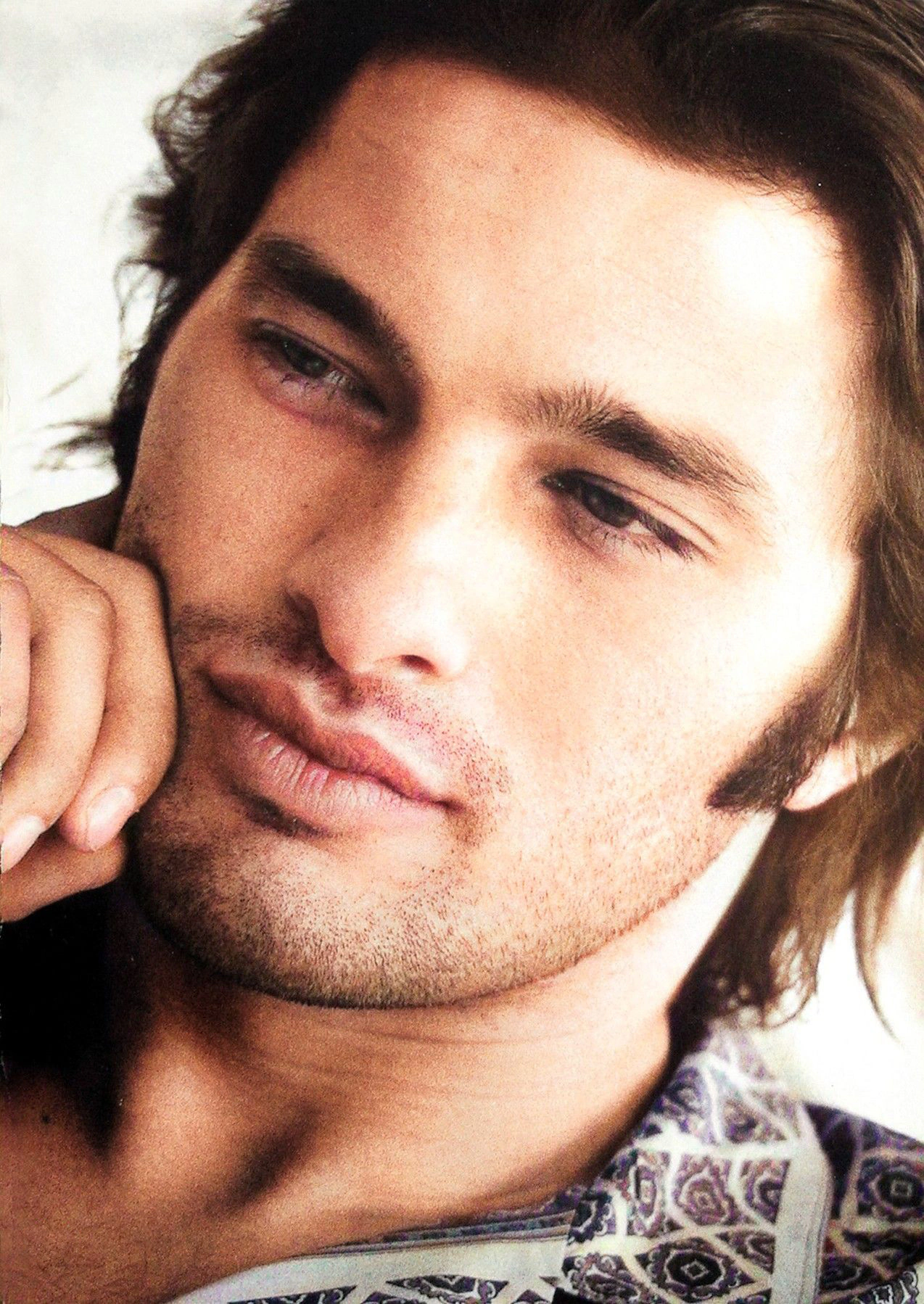
| 31 Quotes | |
| Occup. | Actor |
| From | France |
| Born | January 12, 1966 |
| Age | 60 years |
| Cite | |
Citation Formats
APA Style (7th ed.)
Olivier martinez biography, facts and quotes. (2026, February 11). FixQuotes. https://fixquotes.com/actors/olivier-martinez/
Chicago Style
"Olivier Martinez biography, facts and quotes." FixQuotes. February 11, 2026. https://fixquotes.com/actors/olivier-martinez/.
MLA Style (9th ed.)
"Olivier Martinez biography, facts and quotes." FixQuotes, 11 Feb. 2026, https://fixquotes.com/actors/olivier-martinez/. Accessed 22 Mar. 2026.
Early Life and Background
Olivier Martinez was born on January 12, 1966, in Paris, France, into a working-class household marked by the practical, plural textures of late-20th-century urban France. His father was Spanish, his mother French, and Martinez grew up with the feeling of being both inside and slightly beside the dominant narrative - a sensibility that later suited his screen presence, often poised between tenderness and danger. Paris in the 1970s and early 1980s was culturally saturated but socially stratified, and the film industry that loomed in the background was still shaped by the afterglow of the New Wave and the emergence of a more commercial star system.Before acting became a vocation, Martinez carried the instincts of someone testing himself against limits. As a teenager and young adult he trained as a boxer, drawn to the discipline and immediacy of the ring, until a car accident forced him to quit. The interruption was not simply physical; it pressed him to look for another arena where intensity could be channeled without being consumed by it. That early confrontation with risk and contingency would recur in his later roles - men who act as if the next moment might decide them.
Education and Formative Influences
Martinez turned toward performance through formal training at the Conservatoire National Superieur d'Art Dramatique in Paris, one of France's most rigorous acting schools, where technique is built through classics, voice, and movement but also through a demanding ensemble culture. He came of age as French cinema oscillated between auteur seriousness and market pressures, and he absorbed both: the psychological precision valued by directors and the magnetic clarity needed to carry a mainstream picture. He also developed a cinephile's palate, speaking openly later about his affection for old Hollywood - a taste that sharpened his sense of screen rhythm and the craft of understatement.Career, Major Works, and Turning Points
Martinez broke through in French cinema in the early 1990s and quickly became associated with romantic intensity and physical authenticity, then complicated that image with riskier character work. His international profile accelerated with Jean-Paul Rappeneau's "Le Hussard sur le toit" (1995), where his swashbuckling grace met a historical canvas, and with Bertrand Blier's "Un, deux, trois, soleil" (1993), which showcased his capacity for volatility. In the 2000s he moved between European productions and Hollywood, appearing in "S.W.A.T". (2003) and later playing the title villain in "Dark Tide" (2012). Alongside his filmography, a parallel public narrative emerged through high-profile relationships - most notably with Kylie Minogue during her cancer treatment years and later with Halle Berry, whom he married in 2013 and divorced in 2016 - but Martinez has repeatedly tried to keep celebrity from becoming the main plot.Philosophy, Style, and Themes
Martinez's performances are powered by a tension between control and refusal: he can look like a classical leading man while communicating a private skepticism about being owned by the image. He has described the actor's task as an escape from typecasting and complacency - “And I think it is the genius of actors to be able to escape whatever people are expecting of them. Otherwise you become like a factory worker”. That line functions almost like an aesthetic manifesto: he distrusts repetition, and even when cast for his looks or charisma, he tends to add a seam of abrasion, an implication that the character is thinking a second thought the script has not stated.That independence is also defensive, a strategy shaped by what fame did to him in France and what he feared it could do elsewhere. “Otherwise, to be a movie star, it's a lot of compromise and also a lot of headaches. You can't do what you want. You become a prisoner of your fame. This happened to me in France and I don't want it”. The psychology here is revealing: Martinez treats public attention as a kind of confinement, and his career choices often read as evasions of a single, fixed brand. His style favors lived-in physicality - the boxer in the actor - and he is frank about prioritizing ordinary bonds over the theater of celebrity: “I see my friends, my family, my cousins work all day long for very little money, and if I have this problem of not being able to wall on the streets, it's not a big deal”. In that comparison is a moral calibration: discomfort is real, but perspective is a discipline.
Legacy and Influence
Martinez's enduring significance lies less in a single definitive masterpiece than in a recognizable stance within modern stardom: he embodies the European actor who can cross into Hollywood without surrendering to its smoothing machinery. For French audiences he represented a 1990s strain of masculinity that was sensual yet complicated, capable of romance without softness and danger without caricature. For international viewers he offered a reminder that charisma can coexist with resistance - that a performer can be widely desired and still insist on privacy, craft, and the right to surprise.Our collection contains 31 quotes written by Olivier, under the main topics: Witty One-Liners - Love - Freedom - Deep - Meaning of Life.
Source / external links