
Pamela Stephenson Biography Quotes 23 Report mistakes
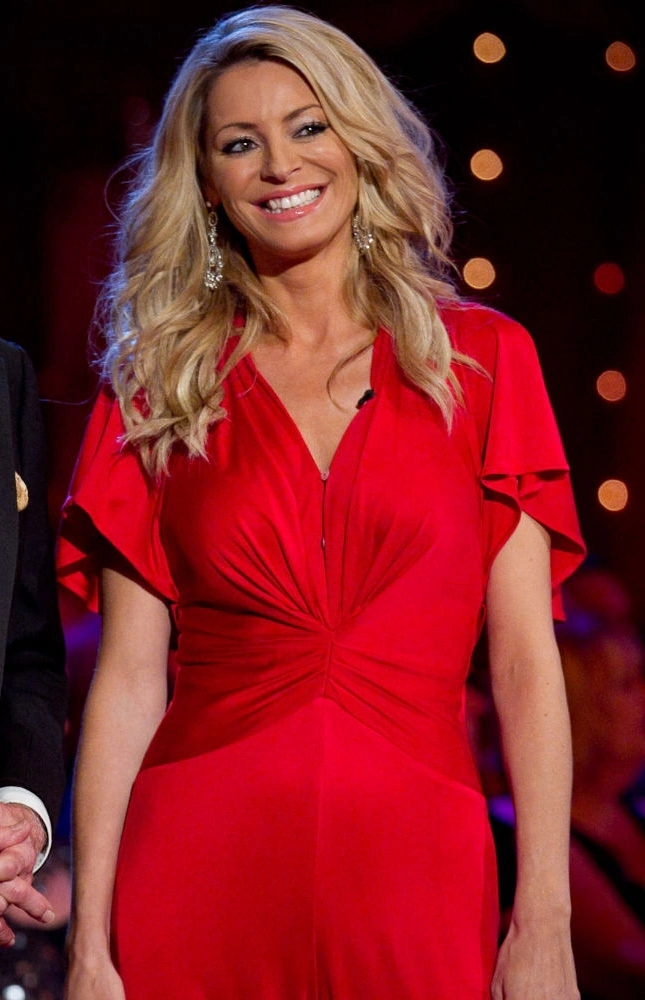
| 23 Quotes | |
| Born as | Pamela Helen Stephenson |
| Occup. | Actress |
| From | Australia |
| Born | December 4, 1949 Sydney, Australia |
| Age | 76 years |
| Cite | |
Citation Formats
APA Style (7th ed.)
Pamela stephenson biography, facts and quotes. (2026, February 11). FixQuotes. https://fixquotes.com/actors/pamela-stephenson/
Chicago Style
"Pamela Stephenson biography, facts and quotes." FixQuotes. February 11, 2026. https://fixquotes.com/actors/pamela-stephenson/.
MLA Style (9th ed.)
"Pamela Stephenson biography, facts and quotes." FixQuotes, 11 Feb. 2026, https://fixquotes.com/actors/pamela-stephenson/. Accessed 28 Mar. 2026.
Early Life and Background
Pamela Helen Stephenson was born on December 4, 1949, in Australia, coming of age in the postwar decades when Australian popular culture was increasingly porous to British and American television, satire, and the new celebrity economy. That era offered ambitious performers both a sense of geographic distance and a sharp incentive to leave - Australia could train talent, but the larger stages, cameras, and budgets were elsewhere.Her public story later moved between comedy, acting, and clinical psychology, but the through-line was a preoccupation with what performance conceals and reveals. Even early accounts of her life emphasize the physicality of travel and adaptation and the way outward polish can sit atop strain and reinvention - a temperament suited to both sketch comedy (speed, nerve, self-presentation) and therapeutic work (listening, pattern-reading, restraint).
Education and Formative Influences
Stephenson pursued serious training rather than relying on sheer charisma: she attended the National Institute of Dramatic Art (NIDA) in Sydney, an institution shaped by British stage traditions but increasingly attuned to screen acting, satire, and ensemble work. At NIDA she absorbed the craft side of comedy - timing, subtext, and character - while also encountering an artistic culture that prized technique as much as inspiration, a combination that would later make her unusually articulate about the psychology of performance.Career, Major Works, and Turning Points
Relocating to Britain, Stephenson became widely known through television comedy and variety at a time when sketch shows were testing boundaries of gender and authority. Her breakout visibility came with "Not the Nine O'Clock News" (late 1970s-early 1980s), where she matched rapid-fire satire with character-driven mimicry, earning major awards and cementing her as a performer who could be glamorous and abrasive, silly and precise. She also worked in film and television drama, but a major turning point was her gradual pivot away from full-time acting toward psychotherapy and writing - a shift that surprised audiences yet followed a logic: she had spent years studying how people perform for survival, status, and love, and she wanted a discipline that looked behind the mask with equal rigor.Philosophy, Style, and Themes
Stephenson's comic style was rarely that of the agreeable foil; it leaned toward command, provocation, and self-authored momentum. “I don't think I'm generous enough to be the straight guy. I sort of make my own way and make my own statement. Do I mind pushing myself forward? Not at all”. That candor reads like more than show-business swagger - it suggests an inner economy governed by agency: she preferred the risk of being judged for taking space to the quieter erasure of accommodating others.Her later work in psychotherapy and in writing about private pain reframed performance as both symptom and strategy. “The work of a psychotherapist involves being empathic and insightful with one's patients without getting too lost in their painful stories to be helpful”. The sentence doubles as self-portrait: a performer trained to enter a role without drowning in it, now applying that discipline to real lives. And her attention repeatedly returns to the hidden, unshared story - especially trauma and its aftermath: “So many people suffer from abuse, and suffer alone”. In her public-facing writing and interviews, the aim is not confession for its own sake but the conversion of spectacle into understanding - a belief that attention, when handled responsibly, can reduce isolation rather than merely monetize it.
Legacy and Influence
Stephenson's enduring influence lies in the rare breadth of her career: she helped define a sharp, modern mode of British television satire while also modeling a credible second life in clinical practice and psychological authorship. For later performers, she stands as evidence that comic intelligence can be analytical without turning cold, and that reinvention can be principled rather than opportunistic. Her biography, spanning Australian roots, UK stardom, and therapeutic vocation, embodies a late-20th-century cultural shift toward taking inner life seriously - not as a branding exercise, but as a field of work with consequences.Our collection contains 23 quotes written by Pamela, under the main topics: Witty One-Liners - Truth - Wisdom - Love - Writing.
Other people related to Pamela: Mel Smith (Actor)
Source / external links