
Patrick McGoohan Biography Quotes 7 Report mistakes
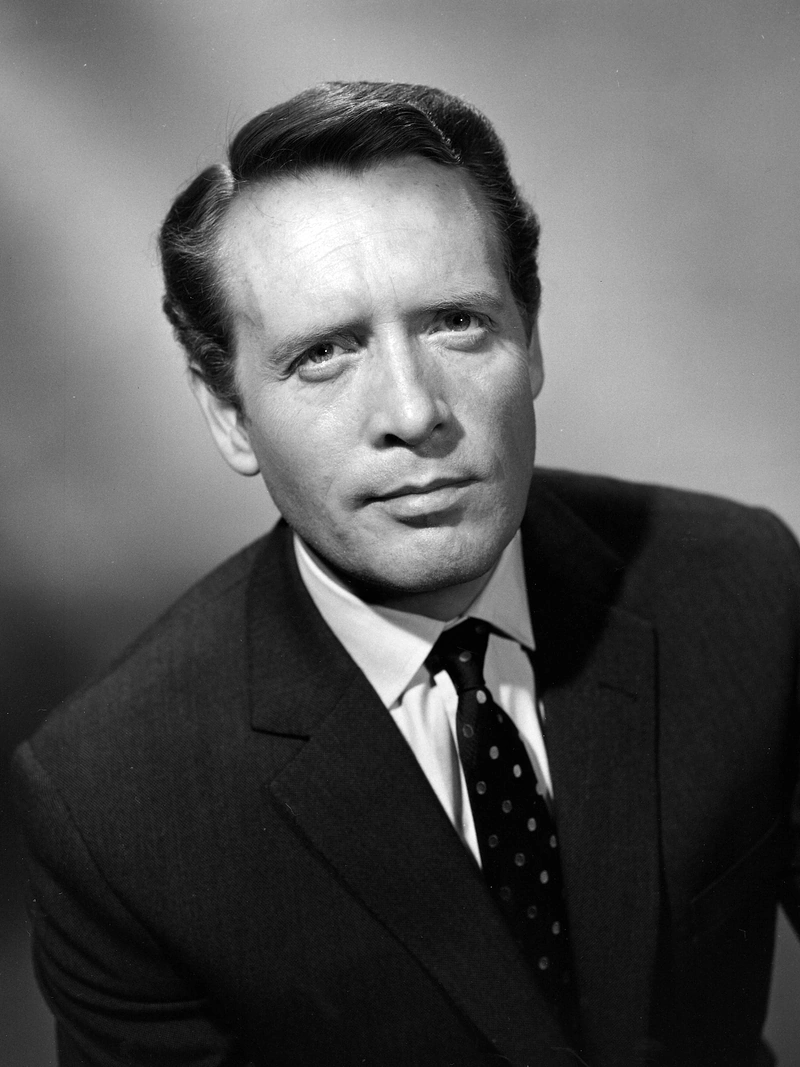
Attr: IMDb
| 7 Quotes | |
| Occup. | Actor |
| From | USA |
| Born | March 19, 1928 |
| Died | January 13, 2009 |
| Aged | 80 years |
| Cite | |
Citation Formats
APA Style (7th ed.)
Patrick mcgoohan biography, facts and quotes. (2026, February 11). FixQuotes. https://fixquotes.com/actors/patrick-mcgoohan/
Chicago Style
"Patrick McGoohan biography, facts and quotes." FixQuotes. February 11, 2026. https://fixquotes.com/actors/patrick-mcgoohan/.
MLA Style (9th ed.)
"Patrick McGoohan biography, facts and quotes." FixQuotes, 11 Feb. 2026, https://fixquotes.com/actors/patrick-mcgoohan/. Accessed 27 Mar. 2026.
Early Life and Background
Patrick Joseph McGoohan was born on March 19, 1928, in Astoria, Queens, New York, to Irish parents, Thomas McGoohan and Mary (Fitzpatrick) McGoohan. His family soon returned across the Atlantic, and he grew up largely in Ireland and England - a transnational upbringing that left him with an instinctive skepticism toward slogans, flags, and easy belonging. The United States gave him a birth certificate; the British Isles gave him his accent, his theatrical discipline, and the moral weather that would cling to his work.As a boy he watched Europe harden into war and then into a postwar austerity that prized conformity as survival. That atmosphere - the polite pressure to fit in, the bureaucratic language that disguised power, the idea that institutions were "necessary" even when they dehumanized - formed a private antagonism in him. He could be charming, even courtly, but he was also guarded and uncompromising, with a pronounced need to control his own image and choices, a trait that later became both his artistic engine and his professional friction.
Education and Formative Influences
McGoohan left formal schooling young and worked a string of jobs, including as a laborer, before finding his way to the theater in the early 1950s; he trained by doing, absorbing stagecraft in repertory conditions where timing, voice, and stamina mattered more than pedigree. Shakespeare, the Catholic imagination of guilt and conscience, and the postwar British stage culture of psychological realism shaped him as much as any classroom could - and he learned early that authority could be performed as easily as it could be challenged, a lesson he later turned into a signature: the confident exterior undercut by an inner argument.Career, Major Works, and Turning Points
After notable television and stage work in Britain, McGoohan broke through as secret agent John Drake in the ITV series Danger Man (also known as Secret Agent) beginning in 1960, projecting a cool competence with a strangely moral edge. His defining gamble came with The Prisoner (1967-1968), which he co-created and starred in as the unnamed "Number Six", a man who resigns and is abducted to a surreal Village designed to extract his reasons and erase his selfhood; the show was made in the age of Cold War surveillance, decolonization, and youth revolt, and it condensed those pressures into allegory. In later decades he became a sought-after character actor and director, playing the icy warden in Escape from Alcatraz (1979), the authoritarian Edward I in Braveheart (1995), and memorably guest-starring as the murderer-turned-artist-turned-culprit in Columbo, winning Emmys for roles that weaponized his intelligence and moral ambiguity.Philosophy, Style, and Themes
McGoohan's screen persona was not merely "tough" but internally litigated - a man arguing with himself in real time. He distrusted simplistic liberation narratives as much as he distrusted institutional pieties, and his work often stages the paradox that rebellion can become another costume. “You can't totally rebel, otherwise you have to go live on your own, on a desert island. It's as simple as that”. That sentence, delivered with his characteristic plainness, reveals an ethic of constrained resistance: the individual must negotiate the social world without surrendering the self, a tension he played with a clenched jaw and an almost priestly seriousness.The Prisoner remains the clearest map of his inner life: a drama of consent, coercion, and identity that refuses to end in comforting clarity. “Questions are a burden to others; answers are a prison for oneself”. In McGoohan's hands, ambiguity becomes a moral stance - not evasion, but vigilance against dogma, including one's own. Even his villains feel like fallen idealists, and his heroes are never fully heroic because the true battleground is internal: “But what is the greatest evil? If you are going to epitomize evil, what is it? Is it the bomb? The greatest evil that one has to fight constantly, every minute of the day until one dies, is the worse part of oneself”. This emphasis on conscience over spectacle helps explain his careful boundaries around what he would depict, and why his best performances seem to come from a man guarding something private while insisting it matters.
Legacy and Influence
McGoohan died on January 13, 2009, leaving a legacy that extends beyond credits into a durable cultural argument about autonomy in an administered world. The Prisoner became a template for later television that treats the self as the central mystery - a precursor to dystopian, meta, and surveillance-era storytelling - while his later character work proved how effectively he could embody authority without honoring it. He is remembered as an actor-producer who treated popular entertainment as a philosophical arena, smuggling questions about identity, complicity, and moral self-scrutiny into prime-time drama, and making "Number Six" a lasting symbol for anyone who feels the pressure to be reassigned, renamed, and made agreeable.Our collection contains 7 quotes written by Patrick, under the main topics: Ethics & Morality - Wisdom - Freedom - Movie - Marriage.
Other people related to Patrick: Alistair Maclean (Novelist), Catherine McCormack (Actress)