
Paul Newman Biography Quotes 16 Report mistakes
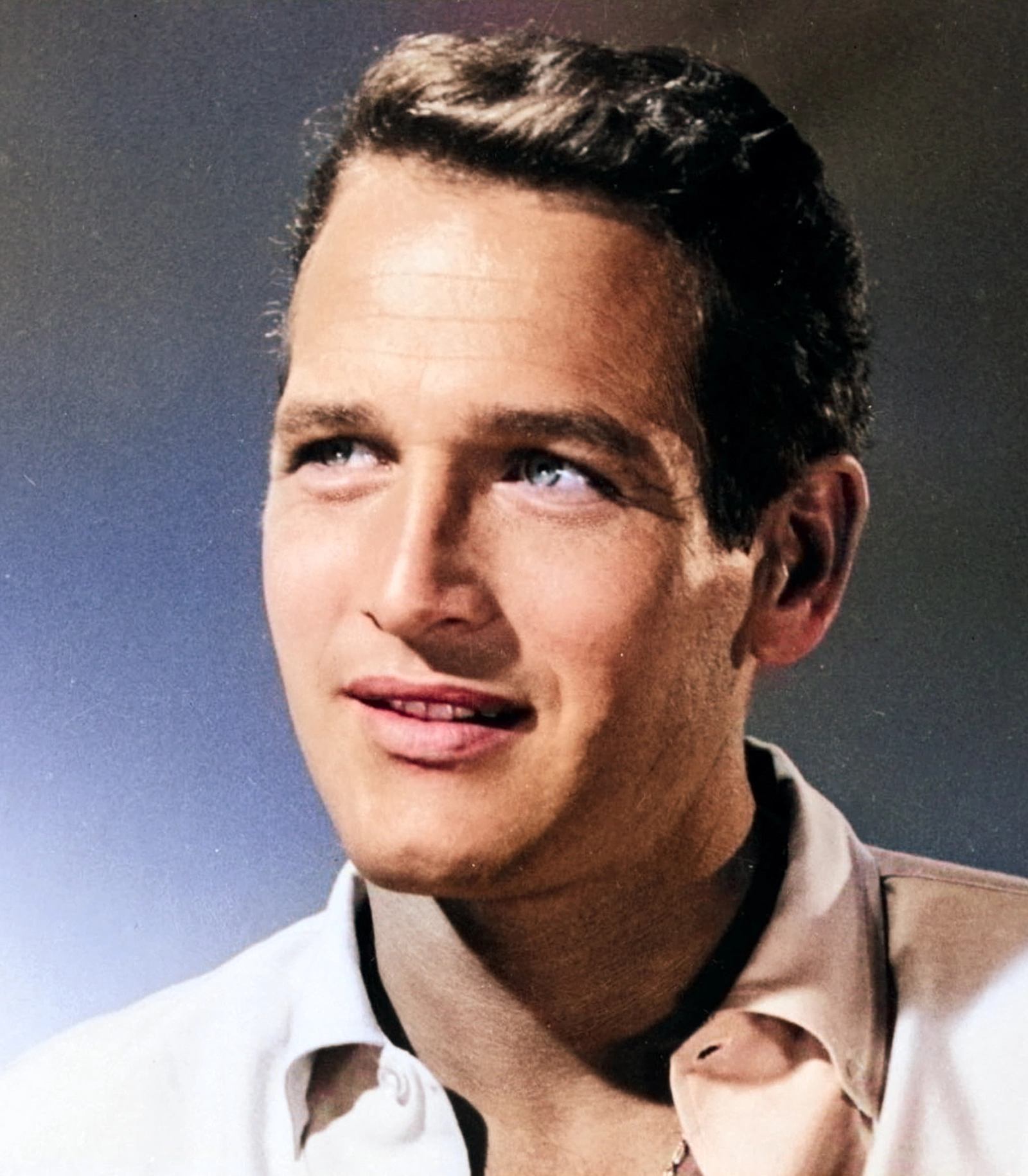
| 16 Quotes | |
| Born as | Paul Leonard Newman |
| Occup. | Actor |
| From | USA |
| Spouse | Joanne Woodward |
| Born | January 26, 1925 Cleveland, Ohio, USA |
| Died | September 26, 2008 Westport, Connecticut, USA |
| Cause | Lung cancer |
| Aged | 83 years |
| Cite | |
Citation Formats
APA Style (7th ed.)
Paul newman biography, facts and quotes. (2026, February 11). FixQuotes. https://fixquotes.com/actors/paul-newman/
Chicago Style
"Paul Newman biography, facts and quotes." FixQuotes. February 11, 2026. https://fixquotes.com/actors/paul-newman/.
MLA Style (9th ed.)
"Paul Newman biography, facts and quotes." FixQuotes, 11 Feb. 2026, https://fixquotes.com/actors/paul-newman/. Accessed 5 Mar. 2026.
Early Life and Background
Paul Leonard Newman was born on January 26, 1925, in Shaker Heights, Ohio, a prosperous suburb of Cleveland shaped by interwar affluence and the coming shocks of Depression-era America. His father, Arthur Sigmund Newman, ran a sporting goods store; his mother, Theresa Garth Newman, encouraged culture and performance, steering him toward school theater. The household mixed Midwestern practicality with an outsider edge - Arthur was Jewish, Theresa was Catholic - and Newman grew up fluent in the social codes of a place that prized conformity while quietly sorting people by background.That tension - belonging and distance at once - stayed in his face and in his performances. He projected ease, but he watched himself doing it. The self-scrutiny was intensified by the era: he came of age as mass media, wartime mobilization, and postwar consumer confidence remade American masculinity into something simultaneously heroic and marketable. Newman learned early that charm could open doors, but it could also become a mask that kept real feeling at arm's length.
Education and Formative Influences
After graduating from Shaker Heights High School, Newman served in the U.S. Navy during World War II, training as a radioman and rear gunner; a bout of color blindness kept him from becoming a pilot, an early lesson in the arbitrariness of luck. Postwar, he studied at Kenyon College, where he acted and absorbed a liberal-arts discipline that prized craft over celebrity, then continued at the Yale School of Drama and ultimately the Actors Studio in New York, where Lee Strasberg's Method culture placed interior truth above polish. The Method did not erase his good looks - it weaponized them, teaching him to let the camera read the thoughts he refused to explain.Career, Major Works, and Turning Points
Newman moved from Broadway to film in the 1950s, breaking through as a conflicted boxer in "Somebody Up There Likes Me" (1956) and then refining his persona in "Cat on a Hot Tin Roof" (1958) as Brick Pollitt - beautiful, wounded, and stubbornly inarticulate. Across the 1960s he became a defining American star: "The Hustler" (1961) turned competitive ritual into moral drama; "Hud" (1963) made anti-heroicism seductive and poisonous; "Cool Hand Luke" (1967) mythologized resistance inside a system built to crush it; and "Butch Cassidy and the Sundance Kid" (1969) with Robert Redford gave the buddy outlaw film a bittersweet modernity. In the 1970s and 1980s, as Vietnam and Watergate corroded public faith, Newman leaned into ambiguity - "The Verdict" (1982) and later "Nobody's Fool" (1994) showed a man aging into consequence. He won the Academy Award for "The Color of Money" (1986) and capped his late-career authority with the voice of Doc Hudson in Pixar's "Cars" (2006), a final act of gravitas disguised as entertainment.Philosophy, Style, and Themes
Newman's screen style fused Method inwardness with a cool surface that seemed to dare the audience to look deeper. He specialized in men who dislike their own appetites: hustlers, rebels, lawyers, drifters - figures who use competence as cover for shame, grief, or moral fatigue. The famous eyes were not just a marketing asset; they functioned like confession without absolution. He could play charm as defense, and silence as a kind of argument, letting the camera catch the flicker where pride meets doubt.His private aphorisms point to an ethics built on unsentimental self-knowledge, honed by competition and a wary understanding of human motives. “If you're playing a poker game and you look around the table and and can't tell who the sucker is, it's you”. That is not cynicism so much as accountability - a refusal to be innocent about power. “You only grow when you are alone”. The line matches the way his characters retreat inward, then return changed, as if solitude were the only honest workshop. And his humor could be bleak, the kind that keeps panic at bay: “Newman's second law: Just when things look darkest, they go black”. In performance, that darkness became tension - the sense that failure is always nearby, which makes integrity, when it appears, feel chosen rather than automatic.
Legacy and Influence
Newman died on September 26, 2008, in Connecticut, after a life that expanded what a movie star could be: not merely a face, but a sustained moral presence across decades of shifting American moods. His influence runs through later actor-producers who treat fame as leverage for craft and responsibility; he helped normalize the idea that a leading man could play flawed, aging, and ethically compromised without surrendering audience devotion. Beyond the screen, he became an emblem of disciplined generosity through Newman's Own, channeling profits to charity and linking everyday consumption to giving at scale - a rare case where a celebrity brand deepened, rather than diluted, the public's sense of character.Our collection contains 16 quotes written by Paul, under the main topics: Witty One-Liners - Art - Puns & Wordplay - Dark Humor - Movie.
Other people related to Paul: Minnesota Fats (Celebrity), Tom Cruise (Actor), Allison Janney (Actress), Roland Joffe (Director), Daniel Craig (Actor), Linda Fiorentino (Actress), Robert Benton (Director), Allan Carr (Director), Tim Robbins (Actor), Larry McMurtry (Writer)
Source / external links