
Persis Khambatta Biography Quotes 17 Report mistakes
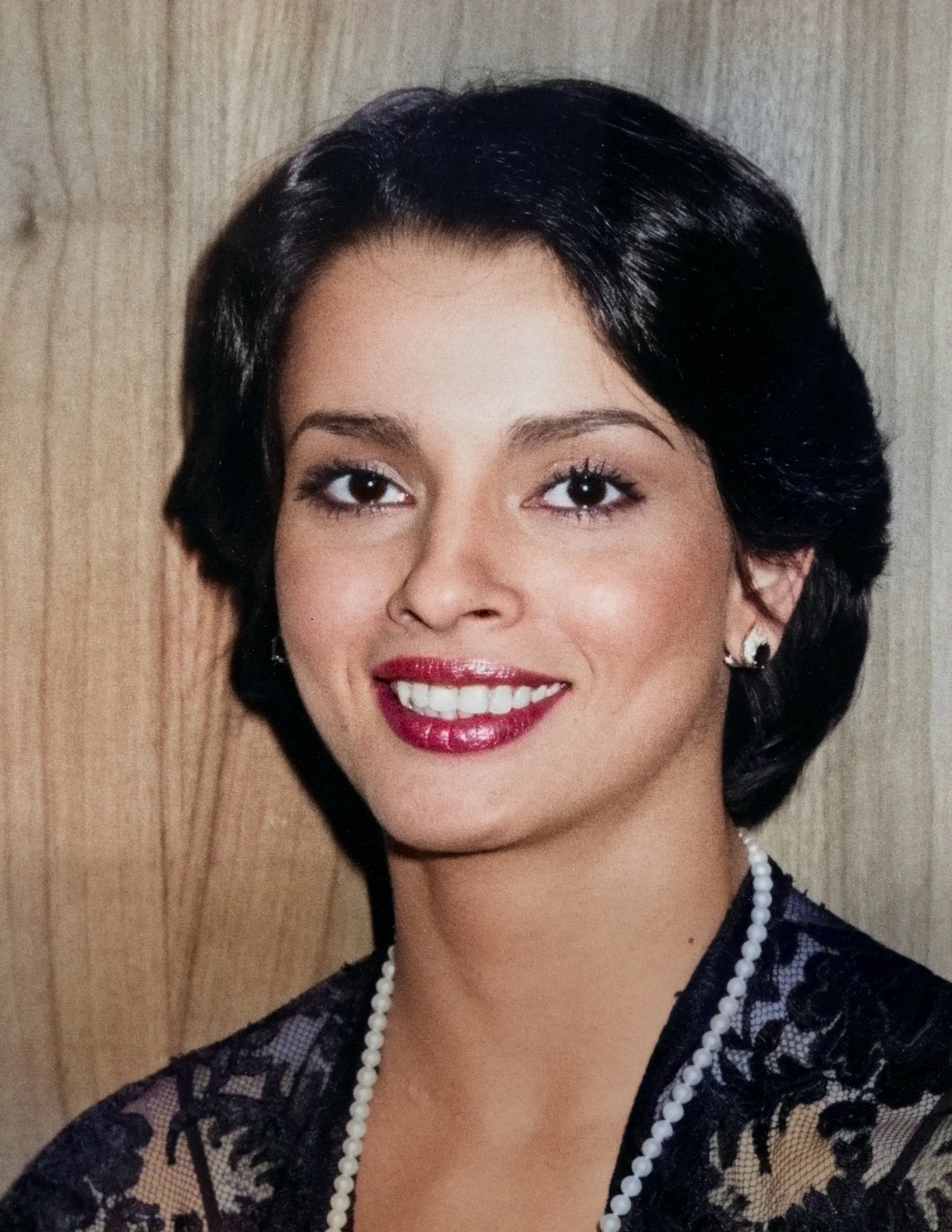
| 17 Quotes | |
| Occup. | Actress |
| From | India |
| Born | October 2, 1948 Bombay, Bombay State, Dominion of India |
| Died | August 18, 1998 Mumbai, Maharashtra, India |
| Aged | 49 years |
| Cite | |
Citation Formats
APA Style (7th ed.)
Persis khambatta biography, facts and quotes. (2026, February 11). FixQuotes. https://fixquotes.com/actors/persis-khambatta/
Chicago Style
"Persis Khambatta biography, facts and quotes." FixQuotes. February 11, 2026. https://fixquotes.com/actors/persis-khambatta/.
MLA Style (9th ed.)
"Persis Khambatta biography, facts and quotes." FixQuotes, 11 Feb. 2026, https://fixquotes.com/actors/persis-khambatta/. Accessed 6 Mar. 2026.
Early Life and Background
Persis Khambatta was born on October 2, 1948, in Bombay (now Mumbai), in the first decades after Indian independence, when cosmopolitan cities were re-stitching themselves to the world through fashion, advertising, and cinema. Raised in a Parsi milieu known for its secular modernity and emphasis on education, she grew up amid the contradictions of postcolonial glamour - Western magazines and Bollywood songbooks, neighborhood conservatism and a quickening appetite for public female ambition.Bombay in the 1950s and 1960s offered a particular ladder for a young woman with poise and presence: modeling, pageantry, and screen tests that could vault a private life into public mythology. Khambatta entered that world early, developing the controlled expressiveness that modeling demands and that acting later amplifies - a face trained to hold a story still long enough for a camera to find it.
Education and Formative Influences
Details of her formal schooling remain less documented than the education she received from Bombay's image industries: photographers, designers, ad directors, and casting rooms that taught her how to project confidence while absorbing criticism at speed. That apprenticeship coincided with a period when Indian women in public life were negotiating both visibility and scrutiny, and it sharpened her ability to treat the body - hairstyle, posture, wardrobe - as both instrument and argument.Career, Major Works, and Turning Points
Khambatta became an international name after being cast as Lieutenant Ilia in Star Trek: The Motion Picture (1979), a role that turned her into an icon largely through its visual audacity: the shaved head, severe costuming, and poised, analytic sexuality of a Deltan officer. The part brought global exposure and the double-edged fame of franchise identification; it opened doors in Hollywood while also narrowing expectations, as the industry often did with non-Western actresses. She later appeared in films including Megaforce (1982) and Sheena (1984), worked across commercials and screen acting, and lived through the professional whiplash common to performers whose most famous image is also their most limiting one.Philosophy, Style, and Themes
Khambatta's public statements reveal an actress who treated risk as craft, not stunt. When asked about the defining choice of her career, she framed it in pragmatic, almost industrial terms: “Basically, they had asked me if I would shave my head or wear a bald cap. I said look, if you are doing a series for five years I would want to shave my hair because I would go bald with all the gum and glue from the bald cap”. In that answer is her psychology in miniature: boldness grounded in the body, and a refusal to accept an artificial solution when authenticity - and endurance - were at stake. She was not merely consenting to an image; she was controlling the conditions under which that image would be made.Her self-concept mixed steel and self-awareness, a combination visible in the tension between confidence and the actor's vulnerability. “One thing about me, as far as my career is concerned, is that I'm very confident. I know I'm good”. Yet she also understood the profession's hidden engine: “Creative people are very insecure people because they don't know whether people like them or are in awe of them. That insecurity always comes out. It makes them a better actor, I feel”. Taken together, these remarks describe a performer who used insecurity as fuel without letting it corrode her agency. Even her aesthetic choices carried a theme: her baldness became a canvas and a provocation, challenging the era's conventional markers of femininity and "exotic" casting while insisting on character over ornament.
Legacy and Influence
Khambatta died on August 18, 1998, at age 49, but her image endures as one of science fiction's most recognizable human-alien hybrids: dignified, uncanny, and fully contemporary. She helped expand what an Indian actress could look like in a major Hollywood production - not by playing assimilation, but by making strangeness compelling and elegant. Within Star Trek culture, Lieutenant Ilia remains a symbol of fearless transformation and the costs of being memorable; beyond it, Khambatta stands as a case study in how a single role can both liberate and confine, and how a performer can meet that paradox with clear-eyed confidence.Our collection contains 17 quotes written by Persis, under the main topics: Witty One-Liners - Art - Writing - Life - Movie.
Source / external links