
Peter Davison Biography Quotes 30 Report mistakes
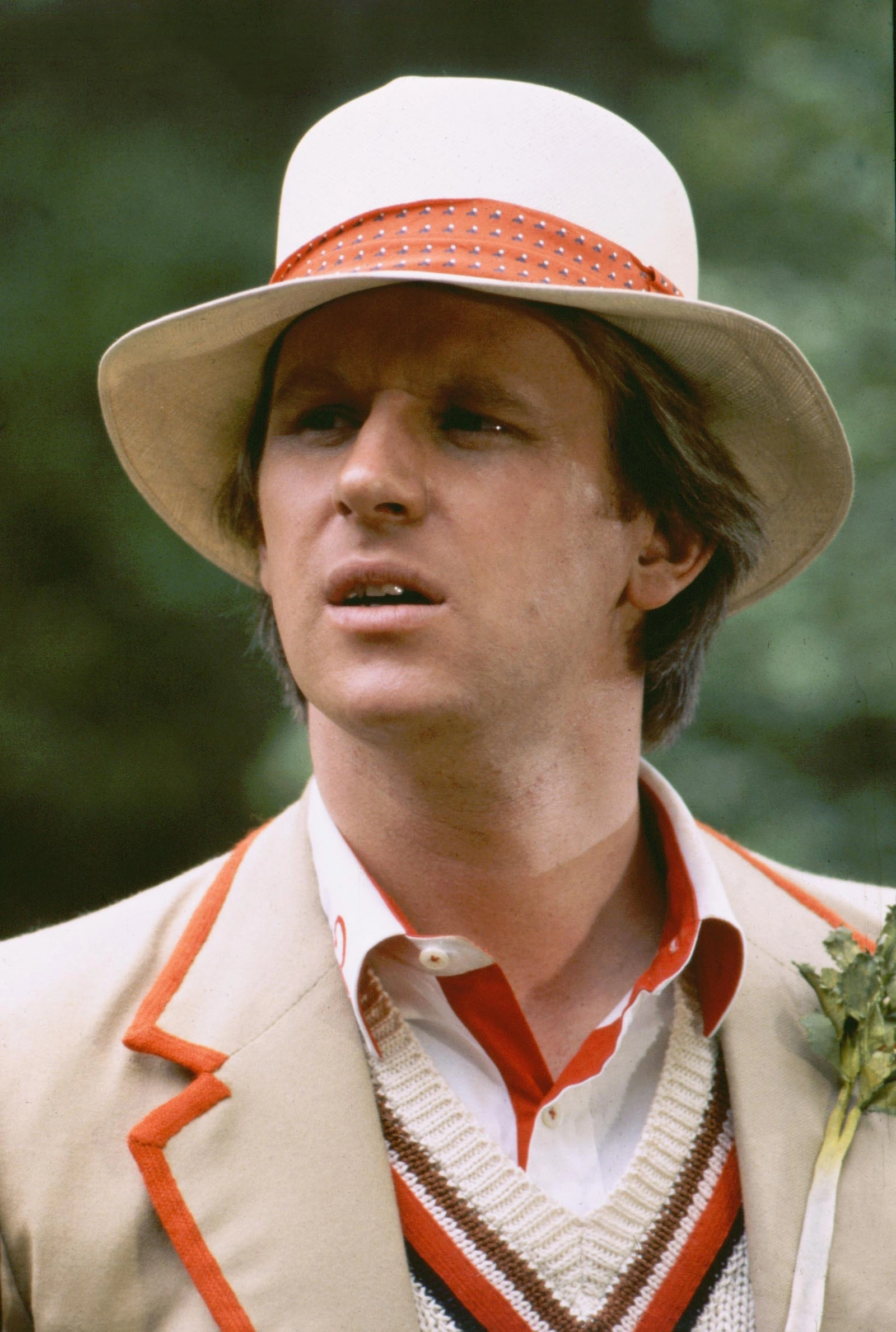
| 30 Quotes | |
| Born as | Peter M. G. Moffett |
| Occup. | Actor |
| From | United Kingdom |
| Born | April 13, 1951 Streatham, London, England |
| Age | 74 years |
| Cite | |
Citation Formats
APA Style (7th ed.)
Peter davison biography, facts and quotes. (2026, February 11). FixQuotes. https://fixquotes.com/actors/peter-davison/
Chicago Style
"Peter Davison biography, facts and quotes." FixQuotes. February 11, 2026. https://fixquotes.com/actors/peter-davison/.
MLA Style (9th ed.)
"Peter Davison biography, facts and quotes." FixQuotes, 11 Feb. 2026, https://fixquotes.com/actors/peter-davison/. Accessed 26 Mar. 2026.
Early Life and Background
Peter Davison was born Peter Malcolm Gordon Moffett on April 13, 1951, in Streatham, South London, into a postwar Britain still divided by class accents, housing, and inherited expectations. His father was Claude Moffett, an engineer; his mother, Eileen Moffett, worked in administration. The domestic world he grew up in was recognizably mid-century: pragmatic, security-minded, and quietly aspirational - the kind of environment that could make a boy both dutiful and inwardly restless.As a teenager he took the stage name "Davison" to avoid confusion with another actor already registered as Peter Moffatt, a small but telling early act of self-authorship. It signaled a lifelong pattern in his career: a willingness to adjust the surface - a name, a tone, a comic timing - while keeping the core temperament intact. Even before fame, he had the alert, slightly self-effacing intelligence that later made his performances read as humane rather than showy.
Education and Formative Influences
Davison was educated at Alleyn's School in Dulwich, where he gravitated toward drama and school productions, then trained at the Central School of Speech and Drama in London. Those years coincided with a broader shift in British acting culture: television was becoming the national repertory stage, and a new premium was placed on actors who could play sincerity without sentimentality. His classical training and instinct for naturalism met that moment perfectly, and he emerged ready to work across the BBC's mixed ecosystem of prestige drama, family entertainment, and long-running series.Career, Major Works, and Turning Points
Davison's breakthrough came as Tristan Farnon in the BBC adaptation of James Herriot's "All Creatures Great and Small" (from 1978), where his charm and nervous comedy carried the role's immaturity into something affectionately real. The decisive turning point arrived in 1981 when he became the Fifth Doctor in "Doctor Who", at the time the youngest actor to take the part; his Doctor, defined by decency under pressure, ran through story arcs such as "Castrovalva", "Kinda", "Earthshock", and "The Caves of Androzani", and helped recalibrate the character away from swagger toward moral attentiveness. After leaving the role in 1984, he built a long second act as a reliable lead and guest star across British television, including "A Very Peculiar Practice", "Campion", and later ensemble work in series such as "Law and Order: UK", while also returning repeatedly to stage work and to the expanding "Doctor Who" audio universe, where his precise vocal acting and warmth proved as effective as his screen presence.Philosophy, Style, and Themes
Davison's best performances share an ethic of restraint: he plays intelligence, doubt, and goodwill as active forces rather than passive traits. That approach makes his heroes credible because they are never invulnerable; they cope by thinking, listening, and trying again. In an era when British television often rewarded either aristocratic polish or hard-edged cynicism, Davison specialized in a third register - the competent, compassionate professional - and he made that register dramatically tense by showing how easily it can be shaken.He also tends to defend imagination against a culture that mistakes realism for depth. “If poets were realistic, they wouldn't be poets”. Even when he is not literally playing a poet, that idea fits his acting psychology: he treats the unreal - the time traveler, the rural vet, the amateur sleuth - as an instrument for telling emotional truth. At the same time he is skeptical about fashionable claims that technology rewires the human core: “People are talking about the Internet as though it is going to change the world. It's not going to change the world. It's not going to change the way we think, and it's not going to change the way we feel”. That skepticism aligns with his screen persona, which insists that character is forged in choices, not gadgets. And his quiet seriousness about craft echoes a final principle: “The reason one writes poems is so that your poem will be remembered”. Davison acts with the same aim - to leave behind moments that lodge in memory because they are cleanly shaped and honestly felt.
Legacy and Influence
Davison's enduring influence lies in how he broadened the image of a leading man on British television: not dominant, not brittle, but emotionally literate and ethically steady, a model that later actors in long-running franchises and procedural drama would repeatedly draw upon. For "Doctor Who" in particular, his Fifth Doctor became a template for the vulnerable, fast-thinking, fundamentally kind incarnation - a through-line visible in later portrayals that favor conscience over swagger. Decades on, his work remains a case study in how understatement can carry cultural weight, and how a career built on consistency, curiosity, and craft can outlast any single role.Our collection contains 30 quotes written by Peter, under the main topics: Writing - Poetry - Book - Mental Health - Nostalgia.
Other people related to Peter: Sarah Sutton (Actress), Colin Baker (Actor), Patrick Troughton (Actor)
Source / external links