
Rachel Zegler Biography Quotes 10 Report mistakes
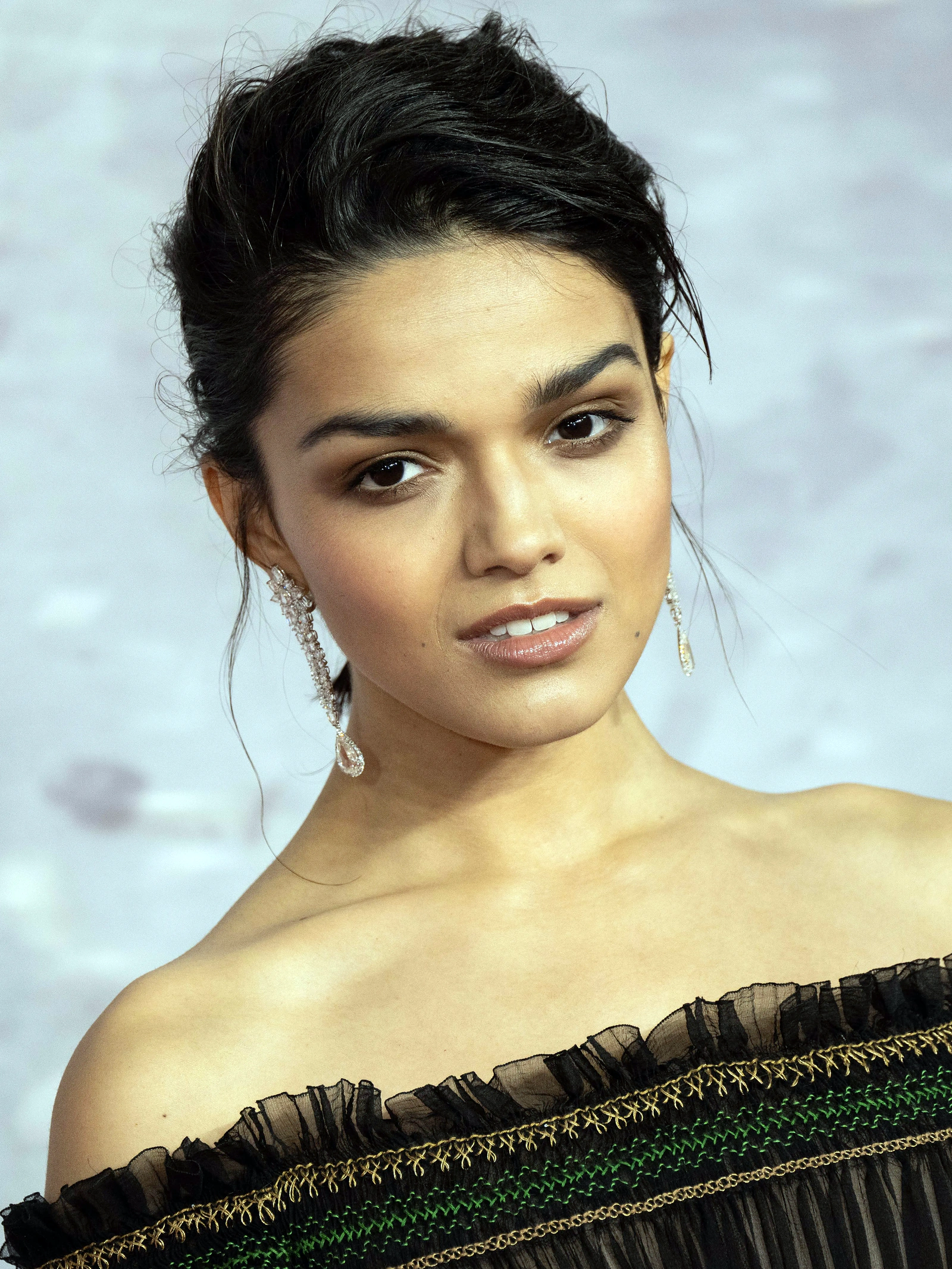
Attr: indiewire.com
| 10 Quotes | |
| Born as | Rachel Anne Zegler |
| Occup. | Actress |
| From | USA |
| Born | May 3, 2001 Hackensack, New Jersey, USA |
| Age | 24 years |
| Cite | |
Citation Formats
APA Style (7th ed.)
Rachel zegler biography, facts and quotes. (2026, March 18). FixQuotes. https://fixquotes.com/actors/rachel-zegler/
Chicago Style
"Rachel Zegler biography, facts and quotes." FixQuotes. March 18, 2026. https://fixquotes.com/actors/rachel-zegler/.
MLA Style (9th ed.)
"Rachel Zegler biography, facts and quotes." FixQuotes, 18 Mar. 2026, https://fixquotes.com/actors/rachel-zegler/. Accessed 8 Apr. 2026.
Early Life and Background
Rachel Anne Zegler was born on May 3, 2001, in Hackensack, New Jersey, and grew up in Clifton in a family shaped by migration, work, and performance. Her mother is of Colombian descent and her father is of Polish ancestry, a background that later placed her in the public conversation about race, colorism, and Latino representation. She came of age in the first true generation of actors whose apprenticeship unfolded in public online. Before Hollywood knew her name, she was already learning how to command an audience through school productions, concert clips, and self-made videos posted to YouTube and social media.That early visibility mattered because Zegler did not rise through the old gatekeeping system of elite conservatories, family connections, or years in bit parts. Her emergence reflected a cultural moment in which casting directors were searching digitally, fans were forming around clips rather than credits, and young performers could demonstrate emotional range from a bedroom or school stage. Yet the myth of overnight discovery obscures a steadier story: she was a musical-theater obsessive, a disciplined singer, and a teenager who had absorbed the rhythms of classic movie musicals while also understanding the speed and scrutiny of internet fame.
Education and Formative Influences
Zegler attended Immaculate Conception High School in Lodi, New Jersey, where she became known locally for lead roles in school musicals, including Belle in Beauty and the Beast, Ariel in The Little Mermaid, and Princess Fiona in Shrek The Musical. Those productions trained the very qualities later visible on screen - clarity of musical phrasing, expressive directness, and an ability to project youthful sincerity without sentimentality. She drew from Broadway traditions, Disney heroines, and the emotional architecture of the American musical, but she also developed a self-conscious understanding of representation as a Latina performer entering parts not always imagined for someone with her background. Her online covers, especially "Shallow", widened her reach and effectively became an audition portfolio in the digital commons.Career, Major Works, and Turning Points
The decisive turn came when Steven Spielberg cast her as Maria in West Side Story (2021) from an open call that reportedly drew tens of thousands of submissions. The role was a brutal test for a film newcomer: she had to sing Leonard Bernstein, carry close-ups opposite established actors, and inhabit a character burdened by decades of performance history. Her Maria was less decorative innocence than awakening intelligence, and critics recognized both the freshness of her voice and the firmness of her dramatic choices. She won the Golden Globe for Best Actress in a Motion Picture - Musical or Comedy, a remarkable debut that instantly placed her in the center of Hollywood's reboot era. She followed with parts that broadened rather than repeated the breakthrough - Anthea in Shazam! Fury of the Gods (2023), Lucy Gray Baird in The Hunger Games: The Ballad of Songbirds & Snakes (2023), and the title role in Disney's live-action Snow White, a casting that made her a symbol in larger fights over canon, adaptation, ethnicity, and the meaning of "classic" femininity in contemporary mass culture.Philosophy, Style, and Themes
What distinguishes Zegler is the unusual combination of old-fashioned musical fluency and modern self-articulation. She belongs to a cohort of actors required not only to perform but to narrate themselves ethically in real time. Her public statements reveal someone acutely aware that talent alone does not explain opportunity. “Because I'm a white Latina, I hold a lot of privilege, and if that's the conversation people want to have, about my privilege in this industry, then I am absolutely welcome to have that conversation”. That sentence is not merely defensive positioning; it suggests a performer trying to make conscience part of craft, to acknowledge that visibility confers obligations. Her ambition is framed less as personal exception than as symbolic access for others: “I've got a responsibility for young people in the future, who [can] say, 'This Latina was able to play Snow White, I can do anything.'”.Her style on screen follows the same logic. She often plays young women who are discovering agency inside inherited stories - Maria refusing passivity, Lucy Gray surviving by wit and performance, Snow White recast for a newer idiom of self-possession. “One of the core points in our film for any young woman or young person is remembering how strong you actually are”. That emphasis on inner strength helps explain the emotional tone she projects: earnest but not naive, romantic yet resistant to submission. Even her remarks about gratitude and healing point to a psychology shaped by sudden ascent and public pressure - an artist trying to preserve wonder without surrendering critical awareness. Her performances work best when innocence is treated not as weakness but as a moral resource under stress.
Legacy and Influence
Zegler's legacy is still being formed, but her significance is already clear. She stands at the intersection of several transformations: the collapse of distance between internet performance and studio casting, the redefinition of who may inhabit iconic roles, and the renewed prestige of the screen musical after years of uncertainty. For younger audiences, especially Latina viewers, she represents both possibility and argument - proof that mainstream stardom can arrive through talent from outside the traditional pipeline, yet also a reminder that representation is layered and contested. If her career sustains its early promise, she will matter not only as a star but as a case study in how twenty-first-century celebrity is built: vocally gifted, digitally native, historically self-aware, and compelled to make art while also explaining what art should mean in a more inclusive culture.Our collection contains 10 quotes written by Rachel, under the main topics: Art - Friendship - Equality - Movie - Change.
Source / external links