
Richard Burton Biography Quotes 16 Report mistakes
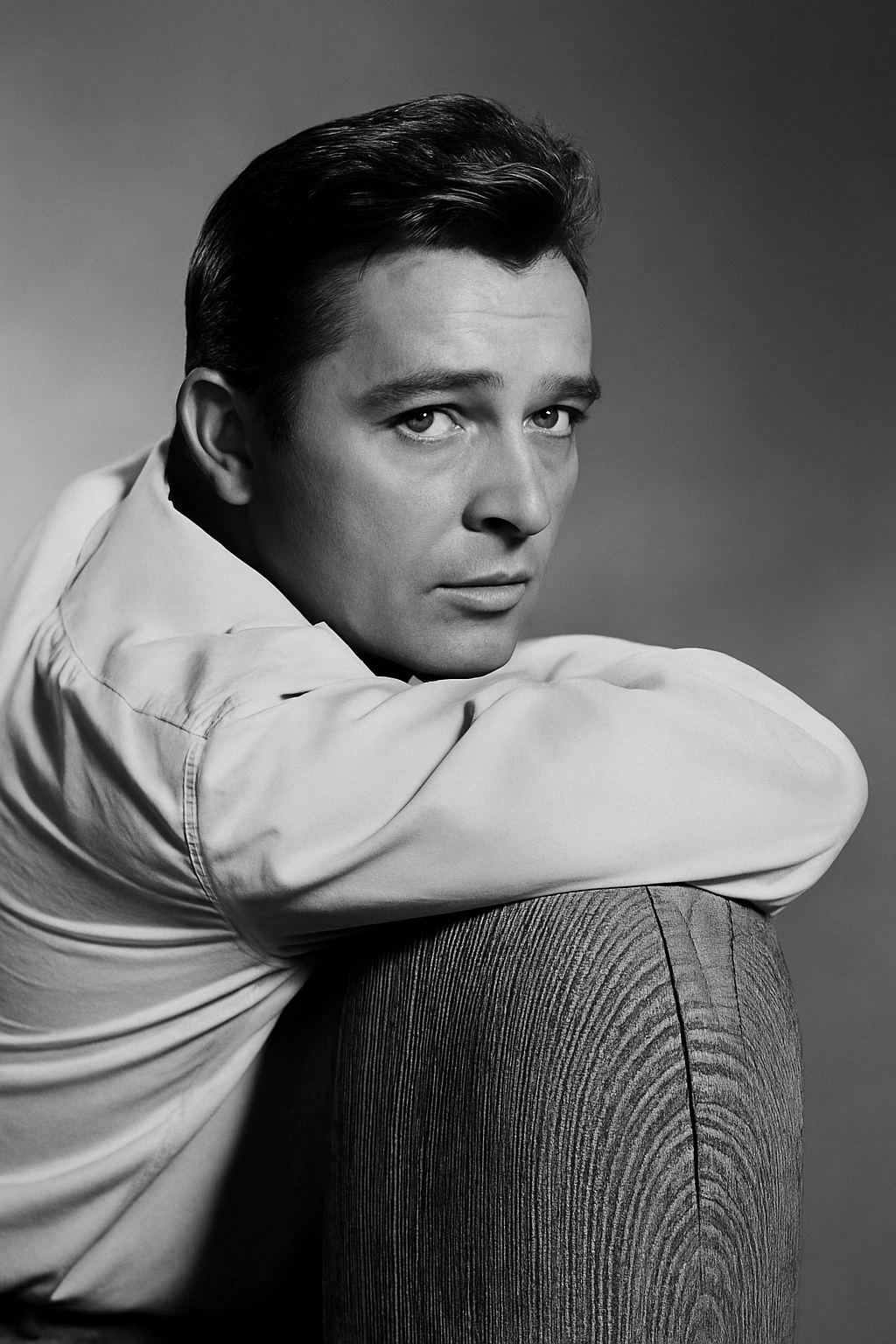
Attr: 20th Century Fox
| 16 Quotes | |
| Born as | Richard Walter Jenkins Jr. |
| Occup. | Actor |
| From | Welsh |
| Born | November 10, 1925 Pontrhydyfen, Glamorgan, Wales, United Kingdom |
| Died | August 5, 1984 Céligny, Geneva, Switzerland |
| Cause | Cerebral hemorrhage |
| Aged | 58 years |
| Cite | |
Citation Formats
APA Style (7th ed.)
Richard burton biography, facts and quotes. (2026, February 11). FixQuotes. https://fixquotes.com/actors/richard-burton/
Chicago Style
"Richard Burton biography, facts and quotes." FixQuotes. February 11, 2026. https://fixquotes.com/actors/richard-burton/.
MLA Style (9th ed.)
"Richard Burton biography, facts and quotes." FixQuotes, 11 Feb. 2026, https://fixquotes.com/actors/richard-burton/. Accessed 31 Mar. 2026.
Early Life and Background
Richard Burton was born Richard Walter Jenkins Jr. on November 10, 1925, in Pontrhydyfen, a steel-and-coal village near Port Talbot, Glamorgan, Wales. He grew up in a large working-class family shaped by chapel culture, pub talk, and the hard rhythms of industrial South Wales between the wars. His father, Richard Jenkins Sr., was a miner turned laborer and occasional bartender; the household was crowded, loud, and steeped in story and song, the kind of place where language becomes both armor and escape.His mother, Edith Maude, died when he was very young, a loss that left a lifelong mark - a hunger for affection and a skepticism about permanence. The boy who would later project volcanic confidence also carried an inner sense of disposability, and he learned early to perform his way into attention. Even in adolescence he had the traits that later became public mythology: the rolling voice, the appetite for books, the ability to turn a room toward him, and an undercurrent of restlessness that never quite fit his birthplace.
Education and Formative Influences
A decisive intervention came from Philip Burton, his schoolmaster and mentor, who recognized the teenager's brilliance, coached his elocution, broadened his reading, and effectively re-authored his prospects - including helping him adopt the stage name "Richard Burton". After schooling in Port Talbot and wartime service in the RAF, Burton studied at Exeter College, Oxford, where he absorbed the discipline of classical theater and the intellectual swagger of a postwar generation determined to remake British culture; the experience sharpened his sense that art could be both a ladder out of class constraints and a mirror held up to them.Career, Major Works, and Turning Points
Burton broke through in the early 1950s as a stage actor of unusual force, acclaimed for Shakespeare and for a modern, psychologically alert intensity that suited the era's shift away from genteel stagecraft. Hollywood quickly followed: My Cousin Rachel (1952) introduced him on film, and he became one of the defining male stars of the 1960s, moving between prestige pictures and commercial vehicles with the same volcanic presence. His Oscar-nominated performances in films such as The Robe (1953), Becket (1964), The Spy Who Came in from the Cold (1965), and Who's Afraid of Virginia Woolf? (1966) traced an arc from heroic virility to corrosive self-knowledge. The most public turning point was his relationship with Elizabeth Taylor, begun during Cleopatra (1963) and repeatedly renewed through marriage, scandal, divorce, and remarriage - a private drama staged against the glare of global celebrity and the moral scrutiny of the time.Philosophy, Style, and Themes
Burton's style fused lyrical voicework with brute candor: he could sound like a classical orator and yet land a line like a punch. The tension between refinement and appetite became his signature - an actor who looked born to kings and yet kept faith with the resentments and humor of his Welsh origins. He distrusted the sanctimony of stardom and treated acting as both craft and con: “The Welsh are all actors. It's only the bad ones who become professional”. In that joke sits a whole psychology - pride in performance as a national skill, and contempt for the idea that public success equals inner legitimacy. His best roles made that contradiction visible: holy men who doubt, husbands who self-destruct, agents who survive by emotional amputation.His inner life, glimpsed in diaries and interviews, circles around exile - from class, from faith, from stability - and the uneasy bargain between self-invention and self-erasure. He could be unsparing about the profession's deformations: “An actor is something less than a man, while an actress is something more than a woman”. Read as more than provocation, it reveals his sense that acting feeds on identity, thinning the self even as it magnifies it. Nowhere was the collision of desire and annihilation more public than his bond with Taylor, which he described with fatalistic tenderness: “I might run from her for a thousand years and she is still my baby child. Our love is so furious that we burn each other out”. The line captures Burton's recurring theme - passion as a force that both grants meaning and guarantees ruin, the same fuel that powered his artistry and his excess.
Legacy and Influence
Burton died on August 5, 1984, in Switzerland, but he endures as a benchmark for modern screen and stage masculinity: intelligent, sensual, wounded, and dangerously articulate. He helped normalize a postwar acting style in which classical technique could carry raw psychological damage, bridging Olivier-era polish and later, more confessional realism. His life also became a case study in the costs of celebrity - how the marketplace can mythologize love, weaponize weakness, and turn a gifted working-class ascension into a spectacle. Yet the work remains: a voice that could elevate verse, a face that registered the slow violence of self-knowledge, and performances that still feel like they are arguing with the actor's own legend.Our collection contains 16 quotes written by Richard, under the main topics: Witty One-Liners - Truth - Wisdom - Writing - Work.
Other people related to Richard: Anthony Hopkins (Actor), Robert Goulet (Musician), Franco Zeffirelli (Director), Claire Bloom (Actress), Alistair Maclean (Novelist), Oskar Werner (Actor), Jenny Agutter (Actress), Rex Harrison (Actor), Roddy McDowall (Actor), Moss Hart (Playwright)
Frequently Asked Questions
- Richard Burton children: Kate Burton (biological); Maria Burton (adopted)
- Richard Burton Elizabeth Taylor: Married twice (1964–74, 1975–76); frequent co-stars, including Cleopatra and Who’s Afraid of Virginia Woolf?
- Richard Burton cause of death: Cerebral hemorrhage (1984)
- Richard Burton movies: Cleopatra; Who’s Afraid of Virginia Woolf?; Becket; The Spy Who Came in from the Cold; The Lion in Winter; Equus; 1984
- Richard Burton spouse: Sybil Williams; Elizabeth Taylor (twice); Susan Hunt (Suzy Miller); Sally Hay (Sally Burton)
- How old was Richard Burton? He became 58 years old
Source / external links