
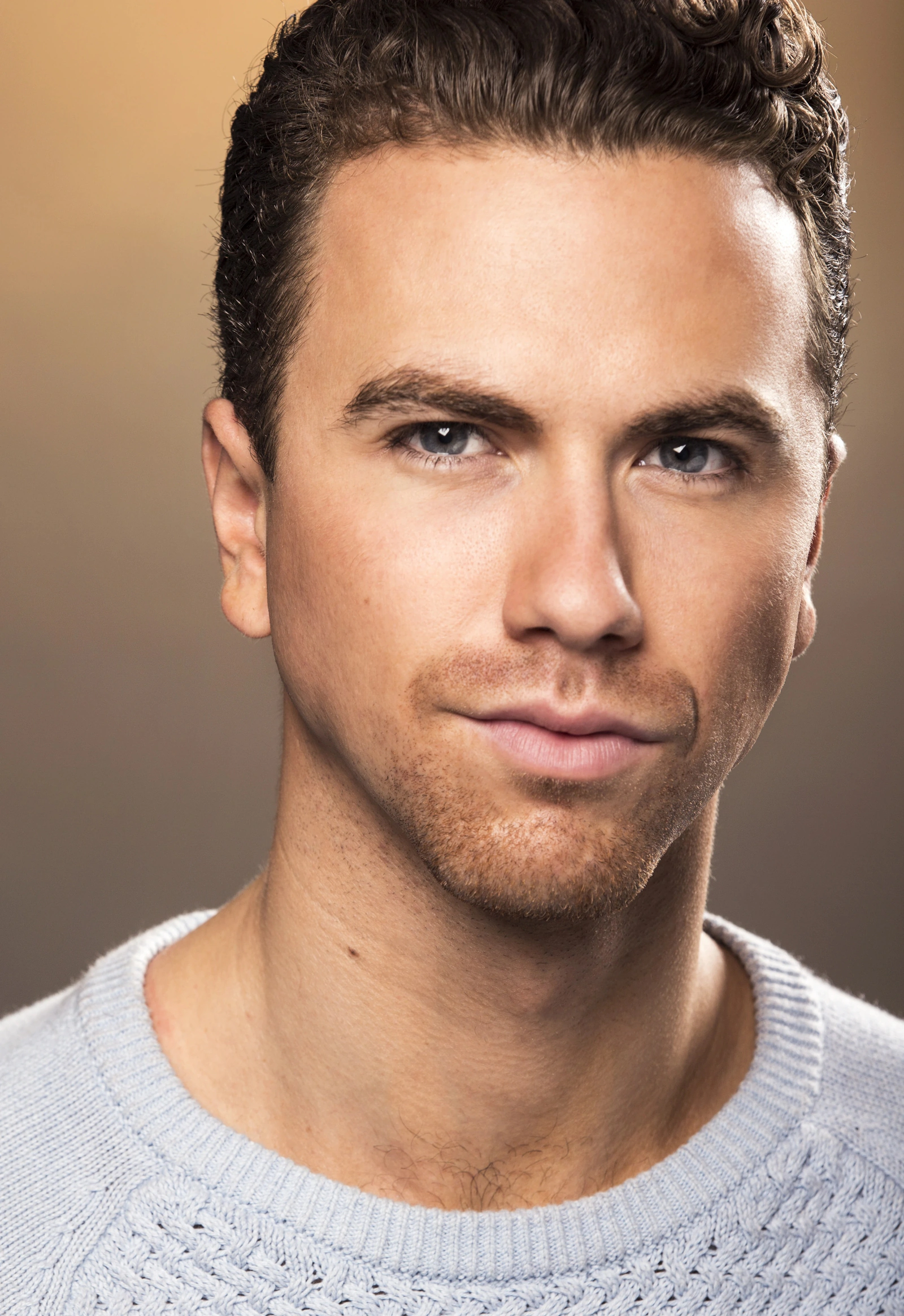
Richard Fleeshman Biography Quotes 9 Report mistakes
| 9 Quotes | |
| Occup. | Actor |
| From | United Kingdom |
| Born | June 8, 1989 Manchester, England, United Kingdom |
| Age | 36 years |
| Cite | |
Citation Formats
APA Style (7th ed.)
Richard fleeshman biography, facts and quotes. (2026, February 11). FixQuotes. https://fixquotes.com/actors/richard-fleeshman/
Chicago Style
"Richard Fleeshman biography, facts and quotes." FixQuotes. February 11, 2026. https://fixquotes.com/actors/richard-fleeshman/.
MLA Style (9th ed.)
"Richard Fleeshman biography, facts and quotes." FixQuotes, 11 Feb. 2026, https://fixquotes.com/actors/richard-fleeshman/. Accessed 27 Mar. 2026.
Early Life and Family
Richard Fleeshman was born on 8 June 1989 in Manchester, England, into a family steeped in the performing arts. His father, David Fleeshman, established a respected career as an actor and director, while his mother, Sue Jenkins, became widely known to British audiences through her work on series such as Brookside and Coronation Street. Growing up in this creative environment, Richard absorbed both the discipline and the curiosity that professional acting demands. His sister, Emily Fleeshman, also pursued acting, making performance a shared family language. The combination of practical guidance from his parents and the daily exposure to rehearsal rooms and sets gave him a head start in understanding how to build characters and how to handle the ebb and flow of a working actor's life.First Steps on Screen
Fleeshman's national profile rose dramatically when he joined the cast of Coronation Street in 2002 as Craig Harris. The long-running ITV soap offered him a rigorous on-the-job education, from learning camera craft to navigating fast-moving scripts. Working alongside experienced performers, and within the Harris family storyline that involved significant on-screen partners such as Lucy-Jo Hudson, he developed a grounded, naturalistic approach. By the time he departed the series in 2006, he had made the rare transition from teenage newcomer to a recognizable face, with the poise to take on new challenges across music and theatre.Music and a Breakthrough Beyond Soap
In 2006, Fleeshman won the ITV singing competition Soapstar Superstar, a turning point that validated his musicality beyond his acting credentials. The victory led to a remarkable opportunity: an invitation from Elton John to serve as a support act on tour. Performing to arena-sized audiences expanded his musicianship, stage confidence, and repertoire, and it placed him in the orbit of a global icon whose exacting standards set a high bar. Those experiences informed his later songwriting and live gigs, and he went on to release original recordings while honing a pop-rock sound anchored by his voice and guitar work.Ghost: The Musical and an International Leap
Fleeshman's stage career accelerated when he originated the role of Sam Wheat in Ghost: The Musical, first in the West End and later on Broadway. Acting opposite Caissie Levy, he confronted a role that required intense emotional range and a demanding vocal score. The production, directed by Matthew Warchus, featured music and lyrics by Dave Stewart and Glen Ballard with a book by Bruce Joel Rubin, and pushed its leads to blend dramatic sincerity with contemporary musical dynamism. The transfer from London to New York introduced Fleeshman to the Broadway community and proved he could anchor a major transatlantic production. The creative team and cast around him shaped a period of rapid growth: playing Sam night after night sharpened his instincts for pacing, stamina, and nuance.Expanding Stage Portfolio
After Ghost, Fleeshman diversified his theatre work with projects that highlighted different aspects of his skill set. He took on the role of Bobby Strong in the London production of Urinetown, directed by Jamie Lloyd, a part that balanced satirical comedy with a rangy score. The production's sharp tone and physicality suited him, and it marked him as a leading man with both vocal heft and comic timing. Alongside high-profile West End engagements, he worked in strong regional venues and concert settings, using each new platform to refine his technique and range. These choices positioned him as a musical-theatre artist who could move comfortably from contemporary pop-infused scores to more traditional styles.The Last Ship and Collaboration with Sting
Fleeshman later starred as Gideon Fletcher in The Last Ship, the musical created by Sting. The project drew on working-class stories not unlike those he had observed growing up in the North West of England. Working in a show where the songwriter was actively involved provided another formative mentorship: the score's folk-rock textures and its narrative of community and return demanded an earnest, grounded performance. The production's UK and international life strengthened his reputation for championing new writing and for collaborating closely with their originators. Sting's hands-on presence, in rehearsal rooms and public conversations about the show, reinforced Fleeshman's commitment to artist-led, musically driven storytelling.Company and Contemporary Sondheim
In 2018, Fleeshman joined the critically acclaimed West End revival of Stephen Sondheim's Company, directed by Marianne Elliott. In that landmark, gender-reimagined production, he played Andy (a re-envisioned version of the flight attendant role), acting opposite Rosalie Craig's Bobbie and alongside Patti LuPone. Company demanded razor-sharp ensemble work, a precise comedic rhythm, and vocal finesse within Sondheim's intricate writing. The production's success introduced him to new audiences and colleagues, and it highlighted his versatility: he could deliver pop-rock intensity in one project and then pivot to Sondheim's sophistication and wit in the next.Screen Appearances and Ongoing Musicianship
While theatre has often been the center of his career, Fleeshman has continued to make selective screen appearances and to perform his own music in concert settings. The blend of acting and musicianship remains a signature: he is as comfortable carrying a guitar into an intimate venue as he is leading a company in a full-scale musical. Colleagues and collaborators consistently note his professionalism and readiness to serve the story first, traits likely rooted in the example set by his parents and mirrored by directors such as Matthew Warchus, Jamie Lloyd, and Marianne Elliott.Artistic Identity and Influences
Fleeshman's identity as an artist is built on range and reliability. The early tutelage of David Fleeshman and Sue Jenkins taught him how to read a room, respect a rehearsal process, and maintain consistency over long runs. Working with Caissie Levy in Ghost, with Sting in The Last Ship, and with Rosalie Craig and Patti LuPone in Company sharpened his collaborative instincts and broadened his stylistic palette. Elton John's early endorsement offered both inspiration and a model of longevity in music. Across projects, he has emphasized sincerity over flash, foregrounding the story and the song above all else.Legacy and Continuing Work
By his early thirties, Richard Fleeshman had traced a career path that few manage: from teen television to winning a national singing competition, from supporting one of the world's most famous recording artists to originating roles in major new musicals on both sides of the Atlantic. His trajectory reflects strategic choices and the counsel of important figures around him, from his family to the theatre-makers he has met along the way. As he continues to perform, his reputation rests on qualities that are difficult to teach and easy to recognize: musical sensitivity, dramatic clarity, and a collaborative spirit that lifts the work of everyone on stage with him.Our collection contains 9 quotes written by Richard, under the main topics: Music - Friendship - Movie - Mother - New Job.
Source / external links