
Richard Kiel Biography Quotes 5 Report mistakes
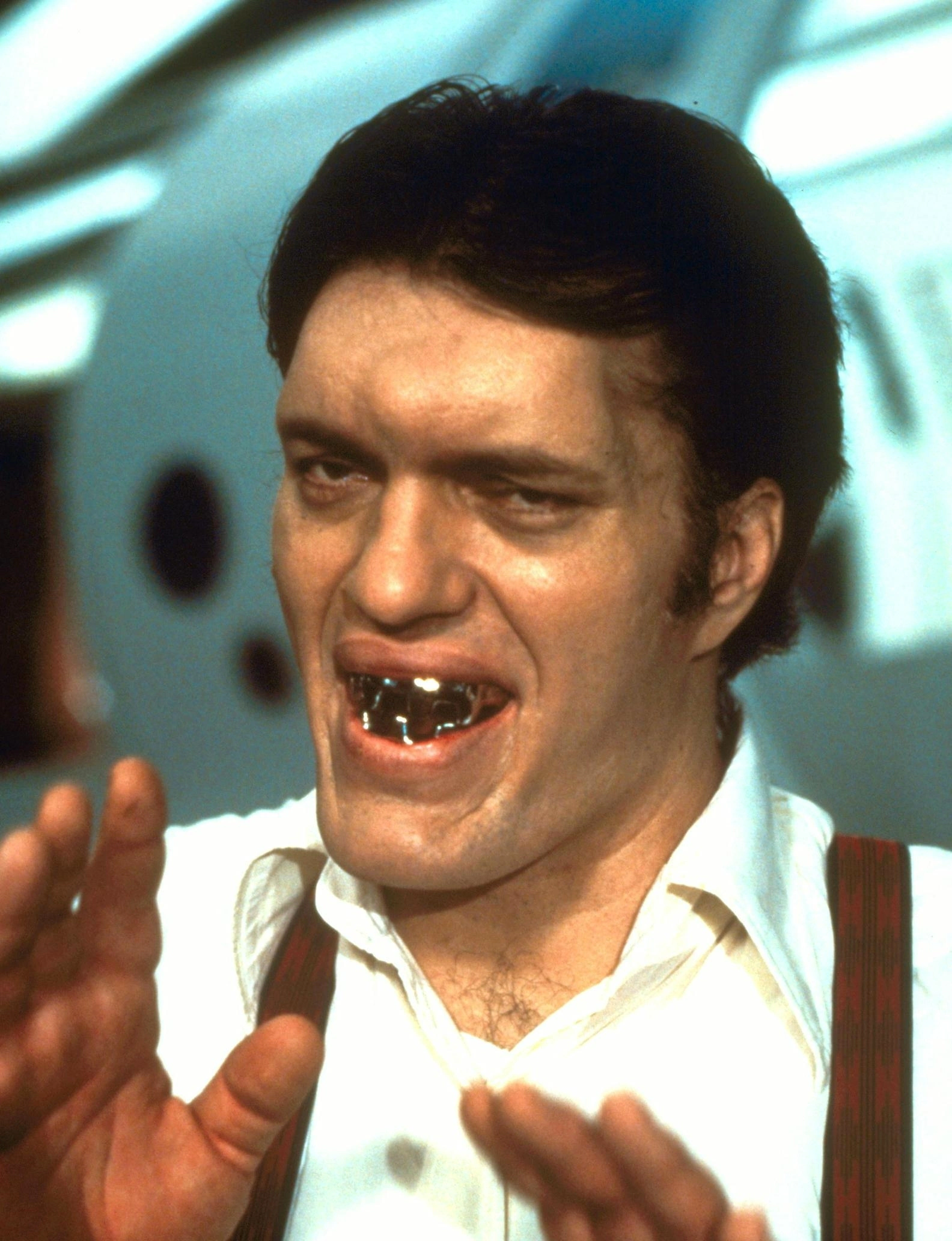
| 5 Quotes | |
| Born as | Richard Dawson Kiel |
| Occup. | Actor |
| From | USA |
| Born | September 13, 1939 Detroit, Michigan, U.S. |
| Age | 86 years |
| Cite | |
Citation Formats
APA Style (7th ed.)
Richard kiel biography, facts and quotes. (2026, February 11). FixQuotes. https://fixquotes.com/actors/richard-kiel/
Chicago Style
"Richard Kiel biography, facts and quotes." FixQuotes. February 11, 2026. https://fixquotes.com/actors/richard-kiel/.
MLA Style (9th ed.)
"Richard Kiel biography, facts and quotes." FixQuotes, 11 Feb. 2026, https://fixquotes.com/actors/richard-kiel/. Accessed 25 Mar. 2026.
Early Life and Background
Richard Dawson Kiel was born on September 13, 1939, in Detroit, Michigan, and grew up in the long shadow of American heavy industry and postwar mobility. His early life was shaped by rapid physical growth - a body that would later become his calling card and his cage. In an era that prized conformity, extraordinary height could mean gawking attention, practical obstacles, and an early education in how quickly strangers reduce a person to a silhouette.Kiel moved with his family to California while still young, a relocation that placed him near the gravitational pull of Hollywood just as television and wide-screen cinema were remaking American entertainment. The West Coast also offered the paradox he would spend his life navigating: the promise that difference could be monetized and the risk that difference would become the only thing anyone saw. That tension - wanting to be valued beyond his size while learning to harness it - became a quiet engine for his later choices.
Education and Formative Influences
He attended local schools in California and began taking jobs that put him around studios and athletic spaces, learning the rhythms of performance through proximity rather than conservatory training. The formative influence was less a teacher than an American media ecosystem that needed bodies as much as voices: television needed memorable figures, and genre film needed imposing presences. Kiel absorbed, early, that the camera is a negotiating partner - it can exaggerate a trait into a myth, but it can also give a performer a way to steer the myth toward craft.Career, Major Works, and Turning Points
Kiel entered acting in the early 1960s, turning up in television and films that used his stature for spectacle, including genre roles that framed him as menace or marvel. He appeared on series such as The Twilight Zone and The Wild Wild West, and in features like The Longest Yard (1974). His defining turning point came when he was cast as Jaws in the James Bond films The Spy Who Loved Me (1977) and Moonraker (1979), a near-silent adversary with steel teeth whose physicality became an international icon. Unlike many "monster" parts, Jaws evolved - even softened - and Kiel benefited from that shift, gaining global recognition and later work across film and television, voice roles, and public appearances that leaned into his Bond identity while keeping him employable beyond it.Philosophy, Style, and Themes
Kiel's inner life, as he described it in later years, reads as a sustained effort to reclaim personhood from the caricatures his body invited. He spoke plainly about the realities of scale, both logistical and psychological: "I am actually 7 foot and and one-half inches tall. I say Seven two because it's easier. Unlike some tall skinny guys I am really "big“ weighing around 350 pounds”. The quote is more than measurement - it is a performer naming the terms of how he is seen, preempting exaggeration with specificity, and quietly insisting on the dignity of facts over legend.His acting style was built on controlled economy. With few lines in his most famous role, he learned to communicate through stillness, timing, and a kind of patient intimidation - a discipline that turned a potential novelty into a cinematic instrument. He also understood the liberation of character acting: “It is always more fun to play a bad guy than to be yourself as you can create a character unlike your own and be someone you are not for a change”. Psychologically, this suggests not cruelty but escape - the chance to step out of the social story written onto his appearance and into a chosen mask where he could author the rules.
In later life he framed his struggles and stability through faith and sobriety, presenting redemption as an ethical practice rather than a private victory: “Not only did God deliver me from the bondage of alcoholism, he also blessed my family financially because of my commitment to honor what he had done for me and for not doing what I believed could possibly be destructive to others”. The emphasis on restraint - on refusing what could harm - clarifies his offscreen priorities and casts his onscreen villains in a new light: he could embody menace precisely because he valued self-governance. The enduring theme across his public statements is stewardship - of body, reputation, and responsibility - even when the industry rewarded him most for being frightening.
Legacy and Influence
Kiel died in 2014, but his image remains lodged in popular memory as one of the Bond franchise's most distinctive antagonists - a character whose wordless presence proved that physical performance can be as narratively potent as dialogue. He also left a template for actors whose bodies fall outside industry norms: use the obvious as an entry point, then deepen it with timing, humanity, and self-definition. In the culture of late-20th-century genre entertainment, where "big" could mean disposable, Kiel endured by turning scale into craft and by insisting, in life and in interviews, that the person inside the silhouette mattered.Our collection contains 5 quotes written by Richard, under the main topics: Funny - Love - Movie - God.