
Rick Yune Biography Quotes 16 Report mistakes
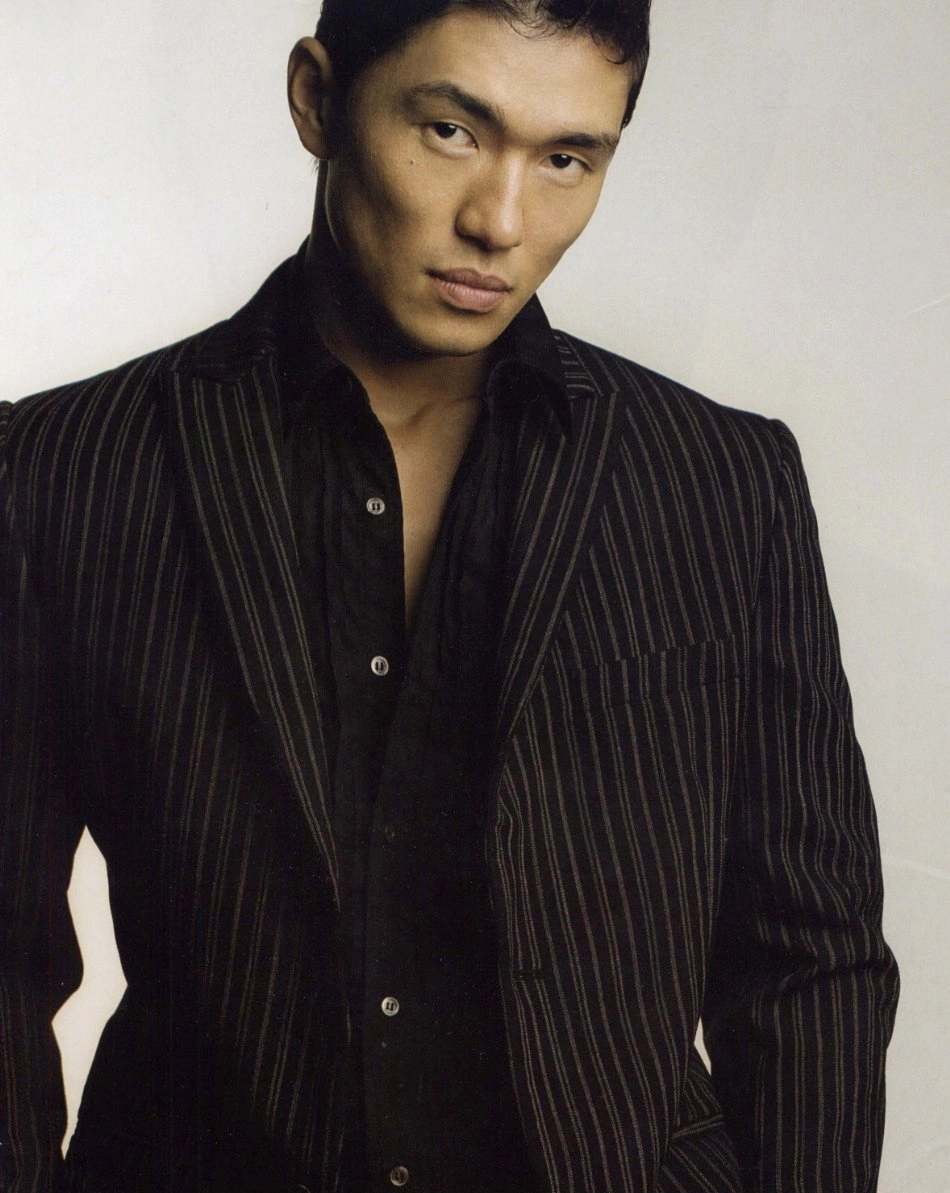
| 16 Quotes | |
| Occup. | Actor |
| From | USA |
| Born | August 22, 1971 |
| Age | 54 years |
| Cite | |
Citation Formats
APA Style (7th ed.)
Rick yune biography, facts and quotes. (2026, February 11). FixQuotes. https://fixquotes.com/actors/rick-yune/
Chicago Style
"Rick Yune biography, facts and quotes." FixQuotes. February 11, 2026. https://fixquotes.com/actors/rick-yune/.
MLA Style (9th ed.)
"Rick Yune biography, facts and quotes." FixQuotes, 11 Feb. 2026, https://fixquotes.com/actors/rick-yune/. Accessed 28 Mar. 2026.
Early Life and Background
Rick Yune was born on August 22, 1971, in the United States, into a Korean American family whose outlook combined immigrant pragmatism with an intense belief in work as identity. He grew up negotiating two mirror pressures common to many Asian American artists of his generation: the demand to be legible to mainstream America and the desire to remain faithful to a heritage that could not be reduced to accent, costume, or stereotype. That double bind - belonging everywhere and being treated as an exception anywhere - would later surface in the kinds of roles he accepted and in how he framed villainy, masculinity, and national myth.Before film audiences knew his face, Yune moved through worlds that valued performance without promising fame: athletics, fashion, and the physical disciplines that teach control under scrutiny. Those early arenas trained him in stillness and timing - how to hold attention, how to look composed when the body is working - and they also acquainted him with being observed as a "type". Long before casting rooms, he had already learned how quickly other people decide what a body means.
Education and Formative Influences
Yune attended the University of Pennsylvania, an Ivy League environment that sharpened his analytic habits and gave him firsthand experience with elite networks that can open doors while also insisting on a certain self-presentation. That education helped him treat acting not as mystical inspiration but as a craft of choices: research, structure, and psychological causality. At the same time, the 1990s American landscape - the rise of globalized pop culture, the visibility of Asian economies, and the lagging representation of Asian American men on screen - gave him a clear sense of what was missing and what would be contested if he stepped into prominent roles.Career, Major Works, and Turning Points
Yune first gained major attention as Johnny Tran in "The Fast and the Furious" (2001), bringing a cold precision to a character who could have been a flat antagonist but instead read as watchful, strategic, and wounded by disrespect. His global breakthrough came with the James Bond franchise in "Die Another Day" (2002), where he played Zao opposite Pierce Brosnan and Halle Berry, entering one of cinema's most tradition-bound mythologies at a moment when blockbuster action was accelerating toward a harsher, more contemporary realism. He later expanded into projects that leaned on both his physical credibility and his interest in moral ambiguity, including "Ninja Assassin" (2009), as well as television and independent work, navigating an industry that often offered Asian American actors either invisibility or spectacle, and pushing for characters with interior motives rather than exotic surface.Philosophy, Style, and Themes
Yune's screen presence is built on contained intensity: he tends to play men who rarely explain themselves, forcing the audience to read subtext in posture, glances, and the decision to stay silent. That style fits an actor keenly aware of how action cinema historicly uses bodies - especially Asian bodies - as symbols before they are treated as people. Even when placed inside a glossy franchise machine, he has spoken like someone anxious about stewardship, not just exposure: “I was worried about being the nut that ruined 40 years of Bond history”. The line reveals a psychology shaped by scarcity - the sense that a high-profile opportunity is also a test, and that failure will be generalized beyond the individual to the community he visibly represents.His comments about performance often return to the tension between realism and extremity, between an actor's desire for truthful behavior and the industry's appetite for heightened spectacle. “They shaved my head, eyebrows. This is not a sci-fi picture. It's not a fantasy picture. You're dealing with something that's supposed to be in reality. But we had a genius makeup artist”. In that recollection, the makeup is not vanity but a kind of burden: the face becomes a production decision, and the actor has to keep the character human underneath. Yune also frames franchise reinvention as historical response, not mere aesthetic refresh: “This is the Bond of the new millennium. Everything is updated, from the action sequences to the interaction between the characters. All the elements reflect changes that have occurred in the world in recent years”. His underlying theme is adaptation - how identities and myths are rebuilt when the world changes, and how violence, loyalty, and nationality acquire new meanings in the post-Cold War, post-9/11 media climate.
Legacy and Influence
Rick Yune's lasting significance lies less in sheer volume of credits than in timing and symbolic weight: he emerged when Asian American men were rarely positioned as stylish adversaries, lethal professionals, or psychologically legible participants in mainstream action storytelling. By moving between street-racing modernity and Bond's imperial lineage, he helped widen the range of what audiences expected an Asian American actor could embody - not as a novelty, but as part of the genre's center. For later performers navigating franchise casting, globalized audiences, and the politics of representation, his career remains a case study in how to bring restraint, intellect, and uneasy vulnerability to roles that the industry often writes as pure surface.Our collection contains 16 quotes written by Rick, under the main topics: Freedom - Equality - War - Movie - Peace.
Source / external links