
Robert Duvall Biography Quotes 31 Report mistakes
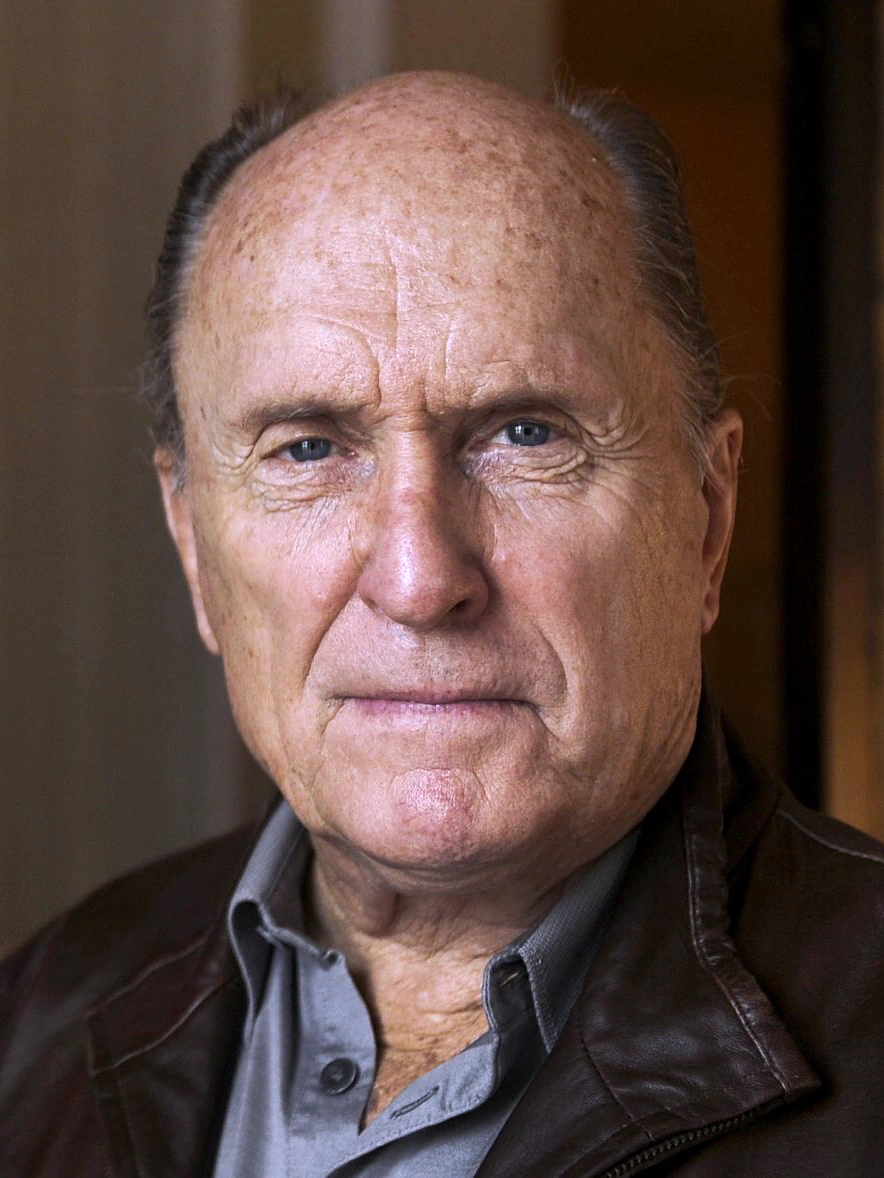
Attr: aarp.org
| 31 Quotes | |
| Born as | Robert Selden Duvall |
| Occup. | Actor |
| From | USA |
| Born | January 5, 1931 San Diego, California, USA |
| Died | February 15, 2026 Middleburg, Virginia, USA |
| Aged | 95 years |
| Cite | |
Citation Formats
APA Style (7th ed.)
Robert duvall biography, facts and quotes. (2026, February 18). FixQuotes. https://fixquotes.com/actors/robert-duvall/
Chicago Style
"Robert Duvall biography, facts and quotes." FixQuotes. February 18, 2026. https://fixquotes.com/actors/robert-duvall/.
MLA Style (9th ed.)
"Robert Duvall biography, facts and quotes." FixQuotes, 18 Feb. 2026, https://fixquotes.com/actors/robert-duvall/. Accessed 27 Mar. 2026.
Early Life and Background
Robert Selden Duvall was born on January 5, 1931, in San Diego, California, into a mobile, disciplined Navy household that carried him along the American coastline as the Depression gave way to wartime austerity. His father, an admiral, embodied hierarchy and duty; his mother, from a family with artistic leanings, supplied a counterweight of observation and feeling. The young Duvall absorbed the codes of officers clubs and shipyard towns - polite surfaces, private tensions - an education in how men perform authority.Those early years left him with an instinct for the unspoken: the way power sits in a room, how shame hides behind ceremony, how humor becomes camouflage. He did not grow up inside the film industry or theatrical privilege; he grew up around systems, and that made him unusually alert to the machinery of institutions - military, political, religious - that would later frame so many of his defining characters. Even before acting became a vocation, he was learning to read faces and to distrust easy rhetoric.
Education and Formative Influences
After high school, Duvall served in the U.S. Army during the Korean War era, an experience that deepened his sense of male fellowship, obedience, and the costs of command. He later trained seriously as an actor in New York, studying craft and discipline rather than celebrity, and he learned his trade in the pressure cooker of stage work and early television. His formative influences were less glamour than apprenticeship: scene study, accent work, and the unforgiving requirement to be believable under close scrutiny - habits that made him, in time, a master of the quiet choice and the loaded pause.Career, Major Works, and Turning Points
Duvall broke through on Broadway and then on screen as Boo Radley in "To Kill a Mockingbird" (1962), turning near-silence into a full human biography. The 1970s made him indispensable: Tom Hagen in "The Godfather" (1972) and "The Godfather Part II" (1974) rendered loyalty as both refuge and trap; "THX 1138" (1971) and "Apocalypse Now" (1979) showed his range from bureaucratic menace to prophetic delirium. He became a leading man by refusing to act like one, grounding "The Great Santini" (1979) in bruising paternal charisma, then embodying moral corrosion and charisma in "Tender Mercies" (1983), which earned him an Academy Award. Later peaks included "Lonesome Dove" (1989), "The Apostle" (1997), and "Get Low" (2009), while his producing and directing reflected a long-term turn toward self-authored stories and regional textures.Philosophy, Style, and Themes
Duvall treated acting as labor, not coronation. He resisted the culture of packaging, insisting that craft outlives hype: “Being a star is an agent's dream, not an actor's”. That line captures his psychology - a man suspicious of external validation, seeking instead the inward proof that a role has been honestly inhabited. His performances often look unforced because they are built from hard-earned choices: dialects that never announce themselves, gestures that reveal class, faith, or resentment without explanatory dialogue, and a refusal to sentimentalize even sympathetic men.His inner compass repeatedly returned to fallibility - not as a slogan, but as a lived condition. “You have a little bit of feeling for everyone you play”. Empathy, for him, was not approval; it was the tool that let him depict compromised people without caricature, from consigliere to colonel to preacher. Yet his work also carried a metaphysical restlessness, a sense that the soul is in dispute even when the plot is not. “We all have a cradle-to-the-grave journey to make and, in between, what do you do? There's got to be something hereafter”. In films like "Tender Mercies" and "The Apostle", he made redemption feel neither guaranteed nor theatrical - more like weather: something that can change, but never on command.
Legacy and Influence
By the time of his death on February 15, 2026, Duvall had become a reference point for American screen naturalism - an actor other actors watched to learn how to listen, how to underplay, how to make biography visible in posture and timing. He helped redefine character acting as the spine of major cinema, proving that authority on screen can come from restraint, specificity, and moral complexity rather than from vanity. His influence persists in the modern emphasis on lived-in realism, in the prestige given to small behavioral truths, and in the enduring lesson of his career: that the deepest performances are built, patiently, from the inside out.Our collection contains 31 quotes written by Robert, under the main topics: Witty One-Liners - Justice - Music - Meaning of Life - Movie.
Other people related to Robert: Dustin Hoffman (Actor), Larry McMurtry (Writer), Marisa Tomei (Actress), Lukas Haas (Actor), Bruce Beresford (Director), Nick Cassavetes (Actor), Talia Shire (Actress), Lesley-Anne Down (Actress), Curtis Hanson (Director), Jason Patric (Actor)
Source / external links