
Robert Redford Biography Quotes 30 Report mistakes
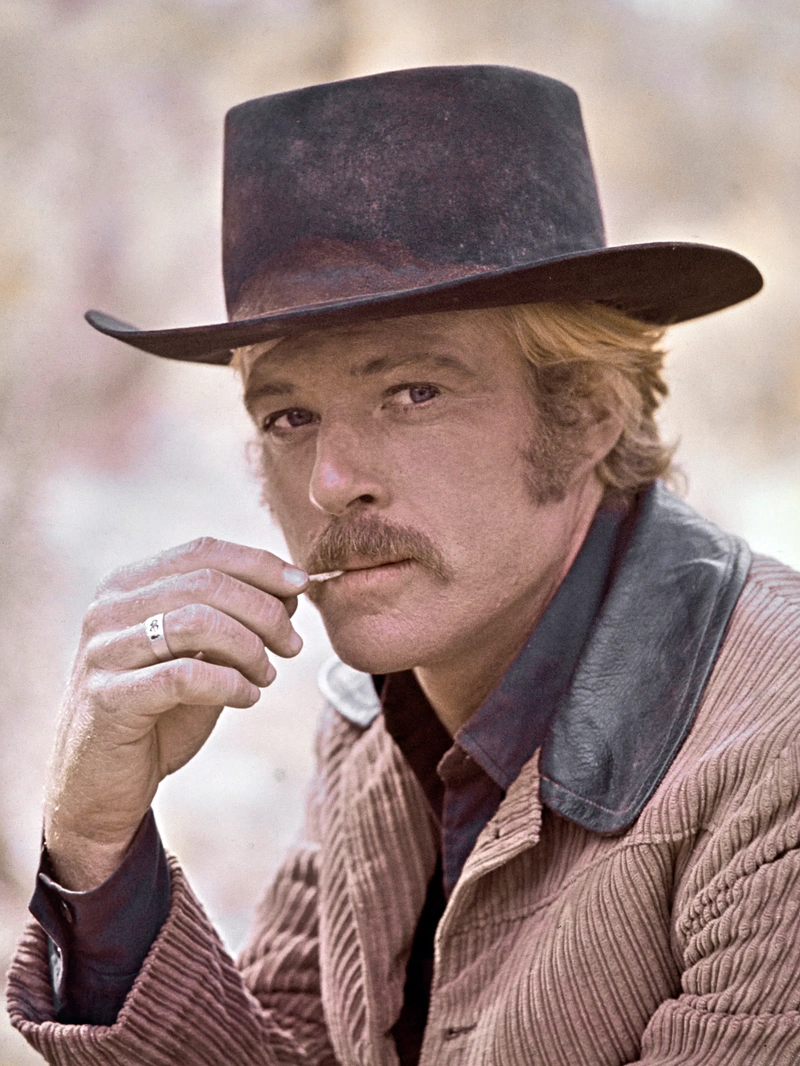
Attr: gq.com
| 30 Quotes | |
| Occup. | Actor |
| From | USA |
| Born | August 18, 1937 |
| Age | 88 years |
| Cite | |
Citation Formats
APA Style (7th ed.)
Robert redford biography, facts and quotes. (2026, February 11). FixQuotes. https://fixquotes.com/actors/robert-redford/
Chicago Style
"Robert Redford biography, facts and quotes." FixQuotes. February 11, 2026. https://fixquotes.com/actors/robert-redford/.
MLA Style (9th ed.)
"Robert Redford biography, facts and quotes." FixQuotes, 11 Feb. 2026, https://fixquotes.com/actors/robert-redford/. Accessed 12 Feb. 2026.
Early Life and Background
Robert Redford was born Charles Robert Redford Jr. on August 18, 1936, in Santa Monica, California, to Martha Hart and Charles Robert Redford Sr., an accountant. He grew up in nearby Van Nuys in the San Fernando Valley, a postwar landscape of tract houses, car culture, and expanding middle-class ambition. The death of his mother when he was still a teenager left a private scar that shaped his later reserve and his instinct to keep the tenderest parts of his life offstage.Restless and athletic, he gravitated to baseball and the outdoors, finding in open air what he often avoided in conversation. A scholarship to the University of Colorado in Boulder offered a doorway out, but his early adulthood veered into uncertainty: drinking, drifting, and clashes with institutional expectations ended the scholarship. The experience hardened his skepticism toward authority and taught him the value of rebuilding from scratch, a pattern that would recur each time he outgrew an image the culture tried to fix on him.
Education and Formative Influences
After leaving Colorado, Redford traveled through Europe, studying art in Paris and absorbing the postwar sense that identity could be remade. Back in the United States he trained at the American Academy of Dramatic Arts in New York and learned his craft in the demanding ecosystem of theater and live television, where timing, listening, and emotional precision mattered more than glamour. Marriage to Lola Van Wagenen in 1958 anchored him briefly in domestic life even as he pursued acting jobs; the early loss of their infant son and later the pressures of fame deepened his commitment to privacy and to work that could carry moral weight without confession.Career, Major Works, and Turning Points
Redford broke through on Broadway in Barefoot in the Park (1963) and then in the film version (1967), but the "handsome lead" label soon felt like a trap. He redirected it into stardom with Butch Cassidy and the Sundance Kid (1969) and then widened his range through a run of defining 1970s films: Jeremiah Johnson (1972), The Way We Were (1973), and the era's great paranoia and procedure pieces, All the President's Men (1976) and Three Days of the Condor (1975). His most decisive pivot came behind the camera: Ordinary People (1980) won him the Academy Award for directing and revealed a temperament drawn to emotional consequence and moral ambiguity. He spent subsequent decades alternating acting with producing and advocacy, from Out of Africa (1985) and Sneakers (1992) to The Horse Whisperer (1998), Spy Game (2001), and late-career turns that played against the myth - All Is Lost (2013) and The Old Man & the Gun (2018) - while using his influence to build institutions, most notably the Sundance Institute (founded 1981) and its festival, which reshaped American independent film.Philosophy, Style, and Themes
Redford's best work carries a distinct inner weather: charismatic surfaces masking unease about power, institutions, and the cost of idealism. His screen persona - capable, attractive, seemingly self-possessed - often becomes the point, because the films ask what happens when such a figure meets systems that do not care about virtue. As he aged, he leaned further into restraint, letting silence, landscape, and procedural detail expose character, a sensibility that also guided his directing: actors framed with empathy, conflict staged without melodrama, consequences allowed to land.His public philosophy knits craft to responsibility. He insisted that technique is secondary to meaning: "The technology available for film-making now is incredible, but I am a big believer that it's all in the story". That belief aligns with his career-long attraction to narratives of conscience under pressure - journalists weighing truth against danger, outlaws confronting myth, families confronting grief. It also explains his environmental advocacy and the way the American West functions in his imagination not as postcard but as moral test: "I think the environment should be put in the category of our national security. Defense of our resources is just as important as defense abroad. Otherwise what is there to defend?" Psychologically, he treats attention as a finite resource and the past as a seductive, risky archive; his instinct is to keep moving, to refuse nostalgia's comfort: "Never revisit the past, that's dangerous. You know, move on". In that tension - between memory and forward motion, between myth and accountability - his characters find their stakes.
Legacy and Influence
Redford endures as more than a movie star: he is a rare figure who used fame to redirect the culture's pipeline. By legitimizing independent film through Sundance, he helped launch or amplify generations of filmmakers and performers and widened what American stories could look like on screen. As an actor he embodied the 1970s crisis of confidence with unusual intimacy; as a director and producer he institutionalized his values - story first, conscience intact, nature defended - leaving a legacy that lives simultaneously in classic films, in the careers Sundance enabled, and in the ongoing argument that popular art can be both entertaining and ethically awake.Our collection contains 30 quotes written by Robert, under the main topics: Witty One-Liners - Wisdom - Art - Sarcastic - Nature.
Other people related to Robert: Conrad Hall (Artist), Jane Fonda (Actress), David Strathairn (Actor), Ivan Reitman (Actor), Mary Tyler Moore (Actress), Wilford Brimley (Actor), Abraham Polonsky (Director), Zachary Quinto (Actor), Michael Ritchie (Director), Karl Urban (Actor)