
Sid Caesar Biography Quotes 5 Report mistakes
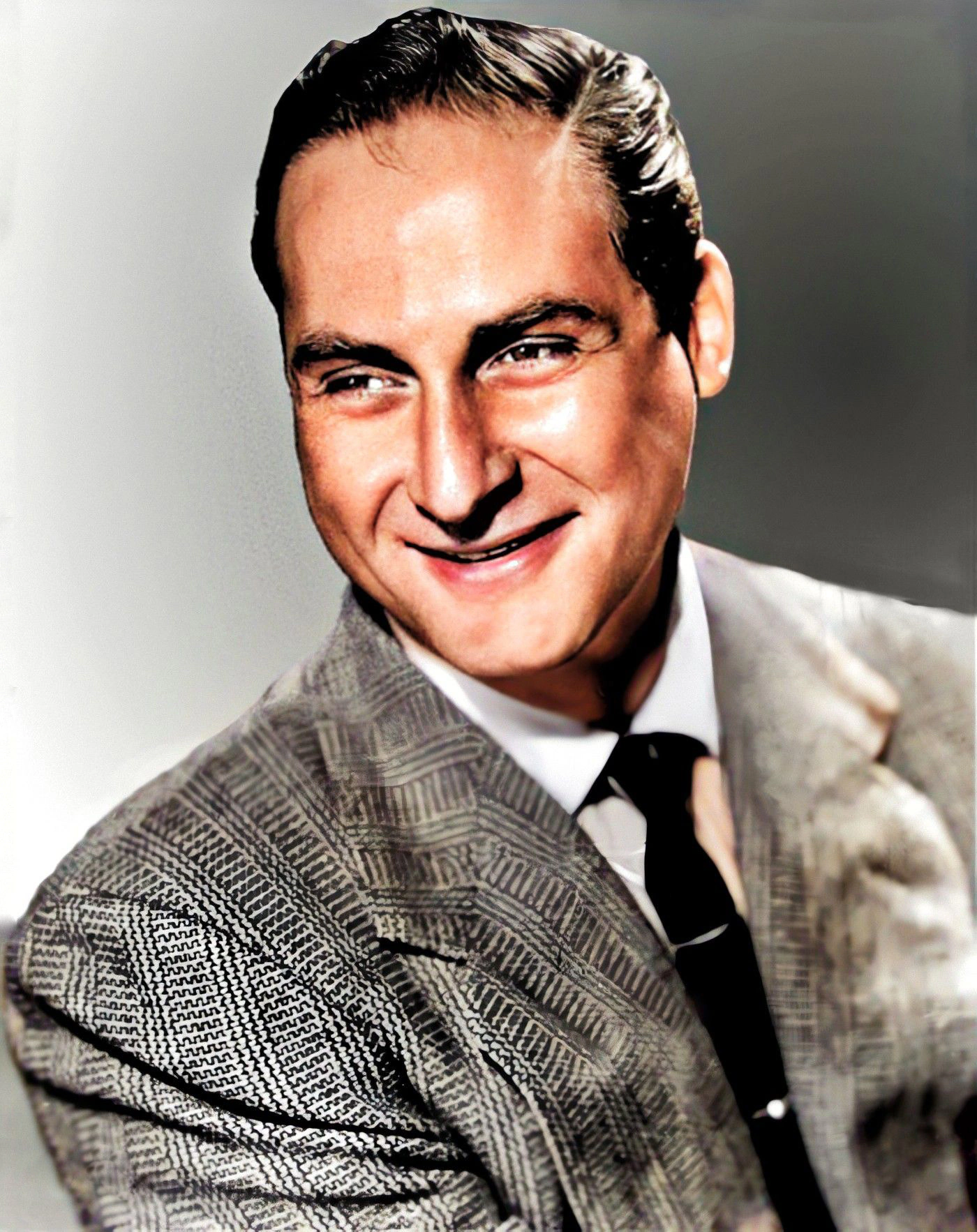
Attr: News service
| 5 Quotes | |
| Born as | Sidney Caesar |
| Occup. | Actor |
| From | USA |
| Born | September 8, 1922 Yonkers, New York, USA |
| Died | February 12, 2014 Beverly Hills, California, USA |
| Cause | Natural Causes |
| Aged | 91 years |
| Cite | |
Citation Formats
APA Style (7th ed.)
Sid caesar biography, facts and quotes. (2026, February 14). FixQuotes. https://fixquotes.com/actors/sid-caesar/
Chicago Style
"Sid Caesar biography, facts and quotes." FixQuotes. February 14, 2026. https://fixquotes.com/actors/sid-caesar/.
MLA Style (9th ed.)
"Sid Caesar biography, facts and quotes." FixQuotes, 14 Feb. 2026, https://fixquotes.com/actors/sid-caesar/. Accessed 12 Mar. 2026.
Early Life and Background
Sidney Caesar was born on September 8, 1922, in Yonkers, New York, to Jewish parents who had come to the United States from Eastern Europe. He grew up in a working-class world shaped by the aftershocks of World War I, the Great Depression, and the dense immigrant textures of the New York metro area. His father ran a luncheonette, and the young Caesar absorbed an education in timing and human variety there - the brisk rhythms of service work, the overheard arguments, the swagger of regulars, the small humiliations that later became the raw material of his comedy.
From early on, he had an ear for language and an eye for behavior more than a taste for confession. Friends and colleagues later noted how he could mimic accents and invent gibberish dialects that still conveyed intention - a kind of street-level anthropology performed at speed. That talent developed alongside an inner restlessness: Caesar would become famous for command and confidence onstage, but he also carried the anxieties of a man who knew the room could turn and who feared wasting whatever gift he had been handed.
Education and Formative Influences
Caesar studied saxophone and clarinet and attended Yonkers High School before enrolling at the Juilliard School of Music in New York City, where discipline and musicianship sharpened his sense of phrasing - a key ingredient in his later comic cadences. World War II accelerated his maturation: he served in the U.S. Coast Guard, performing in military revues and learning to win crowds that did not come predisposed to like him. The era also taught him the value of ensemble craft; he did not emerge as a solitary gag man, but as a performer who understood that comedy is architecture - built with partners, structure, and relentless rehearsal.
Career, Major Works, and Turning Points
After the war he worked the Catskills and nightclubs, then broke through in the new medium of television. From 1950 to 1954 he starred in "Your Show of Shows" on NBC, created and produced by Max Liebman, a live variety-comedy laboratory that became a defining text of early American TV. Caesar anchored a writers room that included Mel Brooks, Neil Simon, Carl Reiner, and Larry Gelbart, and he demonstrated that sketch comedy could be sophisticated, character-driven, and technically ambitious even under live-broadcast constraints. He followed with "Caesar's Hour" (1954-1957), winning Emmy recognition and expanding the template of televised satire and parody, then pursued film roles ("It's a Mad, Mad, Mad, Mad World") and later television and stage work. The turning point was also personal: the pressure-cooker pace of live TV, celebrity, and perfectionism contributed to substance-abuse struggles that shadowed midlife, before sobriety and renewed acting work in later decades brought a quieter coda to a career built on speed.
Philosophy, Style, and Themes
Caesar's comedy fused musical timing, physical precision, and a writerly respect for structure. Beneath the big faces and bluster was an ethic of realism: “Comedy has to be based on truth. You take the truth and you put a little curlicue at the end”. That sentence is a key to his psychology. He distrusted mere silliness unless it was tethered to observed behavior, and he used exaggeration not as escape but as a pressure test - how far could you bend a recognizable human impulse before it snapped?
His most original instrument was language: mock-foreign speeches, mangled bureaucratese, and emotional monologues that felt specific even when semantically nonsense. The themes were often modern and slightly anxious - status, marriage, ambition, masculinity, the fear of looking foolish in public. He also embraced technology as a new stagecraft, recalling the awe of early TV's tricks: “When we could split the screen, it was like 'Wow!'”. That wonder mattered because it reveals a performer who saw reminders of possibility in the machinery itself, a man energized by the idea that invention could multiply voices and viewpoints. Yet he also carried a hard-earned perspective on striving: “In between goals is a thing called life, that has to be lived and enjoyed”. Coming from a comedian who chased perfection under crushing deadlines, it reads like a self-correction - an attempt to redeem time from ambition.
Legacy and Influence
Sid Caesar died on February 12, 2014, but his influence remains foundational: he helped define sketch comedy as a serious craft, proved that television could host literate parody and character work, and mentored - directly and indirectly - generations of comedy writers and performers who studied his live-wire control and ensemble leadership. "Your Show of Shows" and "Caesar's Hour" are not just nostalgia; they are the bridge between vaudeville and modern TV comedy, with Caesar at the center as both instrument and conductor - a performer whose brilliance made the medium feel newly grown-up, and whose battles underscored the human cost of making laughter look effortless.
Our collection contains 5 quotes written by Sid, under the main topics: Witty One-Liners - Live in the Moment - Movie.
Other people related to Sid: Phil Silvers (Actor), Edie Adams (Musician)
Source / external links