
Stan Laurel Biography Quotes 5 Report mistakes
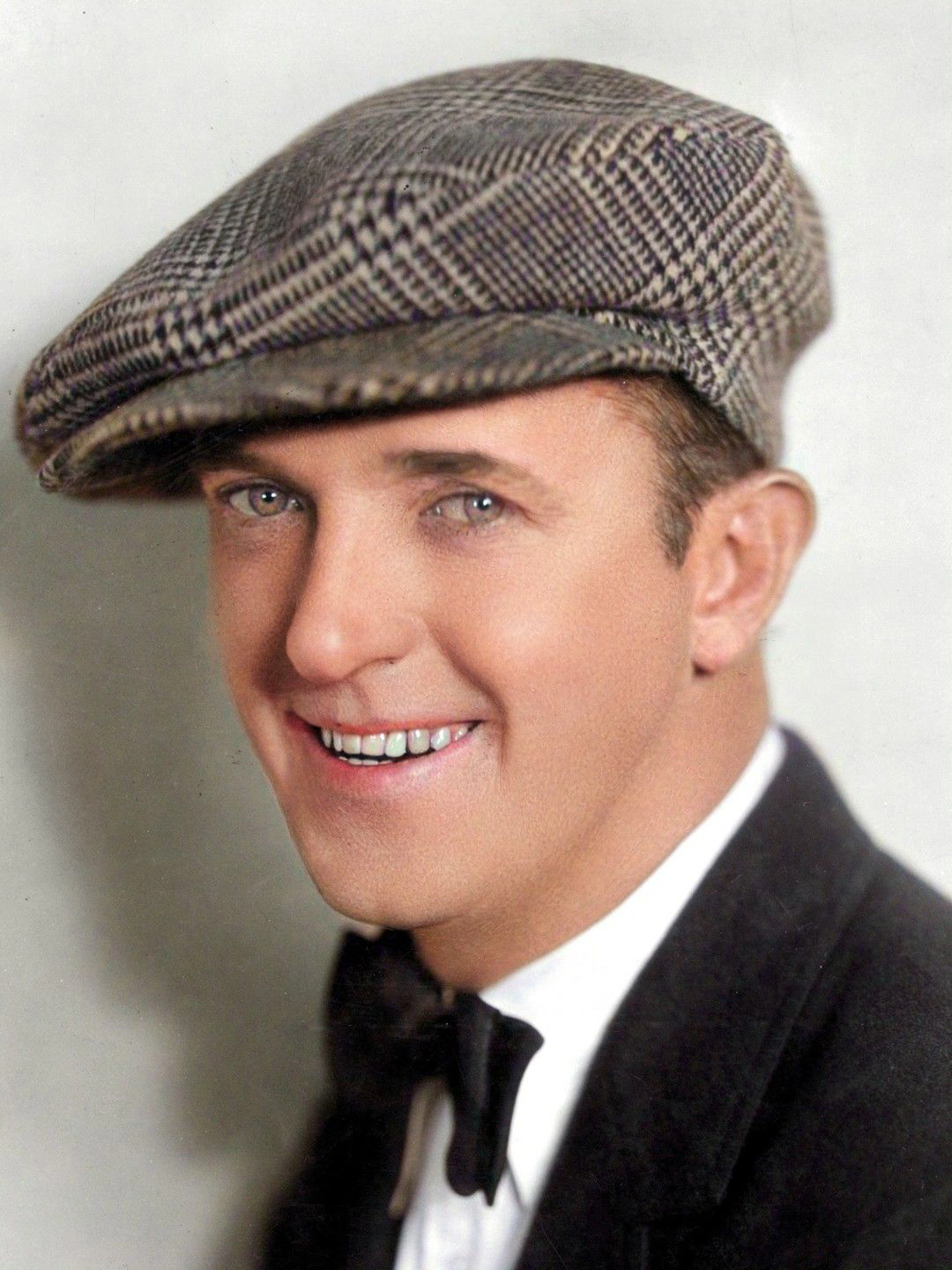
| 5 Quotes | |
| Born as | Stanley Arthur Jefferson |
| Occup. | Actor |
| From | United Kingdom |
| Spouse | Ruth Rogers (1926–1937) |
| Born | June 16, 1890 Ulverston, Lancashire, England |
| Died | February 23, 1965 Santa Monica, California, United States |
| Cause | Heart attack |
| Aged | 74 years |
| Cite | |
Citation Formats
APA Style (7th ed.)
Stan laurel biography, facts and quotes. (2026, February 11). FixQuotes. https://fixquotes.com/actors/stan-laurel/
Chicago Style
"Stan Laurel biography, facts and quotes." FixQuotes. February 11, 2026. https://fixquotes.com/actors/stan-laurel/.
MLA Style (9th ed.)
"Stan Laurel biography, facts and quotes." FixQuotes, 11 Feb. 2026, https://fixquotes.com/actors/stan-laurel/. Accessed 6 Mar. 2026.
Early Life and Background
Stan Laurel was born Stanley Arthur Jefferson on June 16, 1890, in Ulverston, Lancashire, into a theatrical household that treated touring as a way of life. His father, Arthur Jefferson, managed theaters and played comic roles; his mother, Margaret Metcalfe, was also an actress. The Edwardian entertainment world he entered was a braid of music hall, pantomime, and repertory, with performers learning by repetition, heckling, and the hard economics of nightly laughter.The young Jefferson absorbed stagecraft early, but he also absorbed its anxieties - the instability of bookings, the pressure to "get a turn over", and the need to be liked instantly. He was slight, observant, and temperamentally private, a man who later hid craft behind apparent helplessness. That inner split - between careful construction and a face that seemed perpetually surprised by the world - became the engine of his comedy.
Education and Formative Influences
He received modest schooling and trained mainly by apprenticeship, joining Fred Karno's troupe, the famed British comedy company that specialized in wordless farce and precise ensemble timing. In Karno he learned the grammar of silent comedy: the readable body, the sustained gag, and the ethics of rhythm. Touring the United States with the troupe before World War I placed him in the same orbit as a young Charlie Chaplin, and it also convinced him that the new American circuits and film studios offered a broader future than the fading certainties of music hall.Career, Major Works, and Turning Points
Settling in America, Jefferson adopted "Stan Laurel" and worked in vaudeville and early film shorts, including collaborations with producer Hal Roach. The crucial turning point came in the mid-1920s when Roach paired him with Oliver Hardy; by 1927 the Laurel and Hardy partnership had solidified into one of cinema's most durable comic languages. Their shorts - such as "Big Business" (1929) and "The Music Box" (1932) - and features like "Sons of the Desert" (1933) and "Way Out West" (1937) made their dynamic archetypal: Laurel the elastic innocent whose ideas ignited catastrophe, Hardy the pompous would-be adult undone by pride. Laurel increasingly shaped material behind the scenes, obsessing over structure, props, and incremental escalation; his reputation in the Roach lot was less as a gag thief than as a patient architect, refining scenes until they played like inevitability.Philosophy, Style, and Themes
Laurel's screen persona was a study in soft resistance. He offered the audience a man who looked defenseless yet kept moving, apologizing his way into survival. The comedy came from the tension between intention and consequence, and from Laurel's willingness to let his own dignity be the first casualty. His self-mockery could be blunt - “If you had a face like mine, you'd punch me right on the nose, and I'm just the fella to do it”. That line captures a psychology that turned vulnerability into leverage: by volunteering to be the butt, he disarmed cruelty and made the audience complicit in protecting him.At the same time, Laurel's humor was quietly surreal, rooted in the logic of dreams where cause and effect misbehave. “I had a dream that I was awake and I woke up to find myself asleep”. In Laurel and Hardy films, problems multiply as if reality itself is mischievous: a simple delivery becomes a civic disaster, a small lie grows into a social avalanche. Their signature complaint - “Another fine mess you've gotten me into”. - is less accusation than diagnosis, a recognition that friendship is both refuge and trap. Laurel's art insisted that the modern world was too complicated for ego, and that tenderness, not triumph, was the only workable response.
Legacy and Influence
After the partnership waned amid changing studio systems and postwar tastes, Laurel lived quietly in California, corresponding with admirers and fellow comedians until his death on February 23, 1965. His influence is structural as much as sentimental: the slow-build catastrophe, the double-act built on asymmetrical status, and the use of innocence as a disruptive force run from classic Hollywood through television sketch and contemporary physical comedy. Laurel left a model of craft that hides its calculations inside apparent simplicity, and a humane comic worldview in which failure is not shameful but shared - an argument, made without speeches, that people are funniest when they are most recognizably human.Our collection contains 5 quotes written by Stan, under the main topics: Witty One-Liners - Puns & Wordplay.
Other people related to Stan: George Stevens (Director)
Source / external links