
Stella Adler Biography Quotes 13 Report mistakes
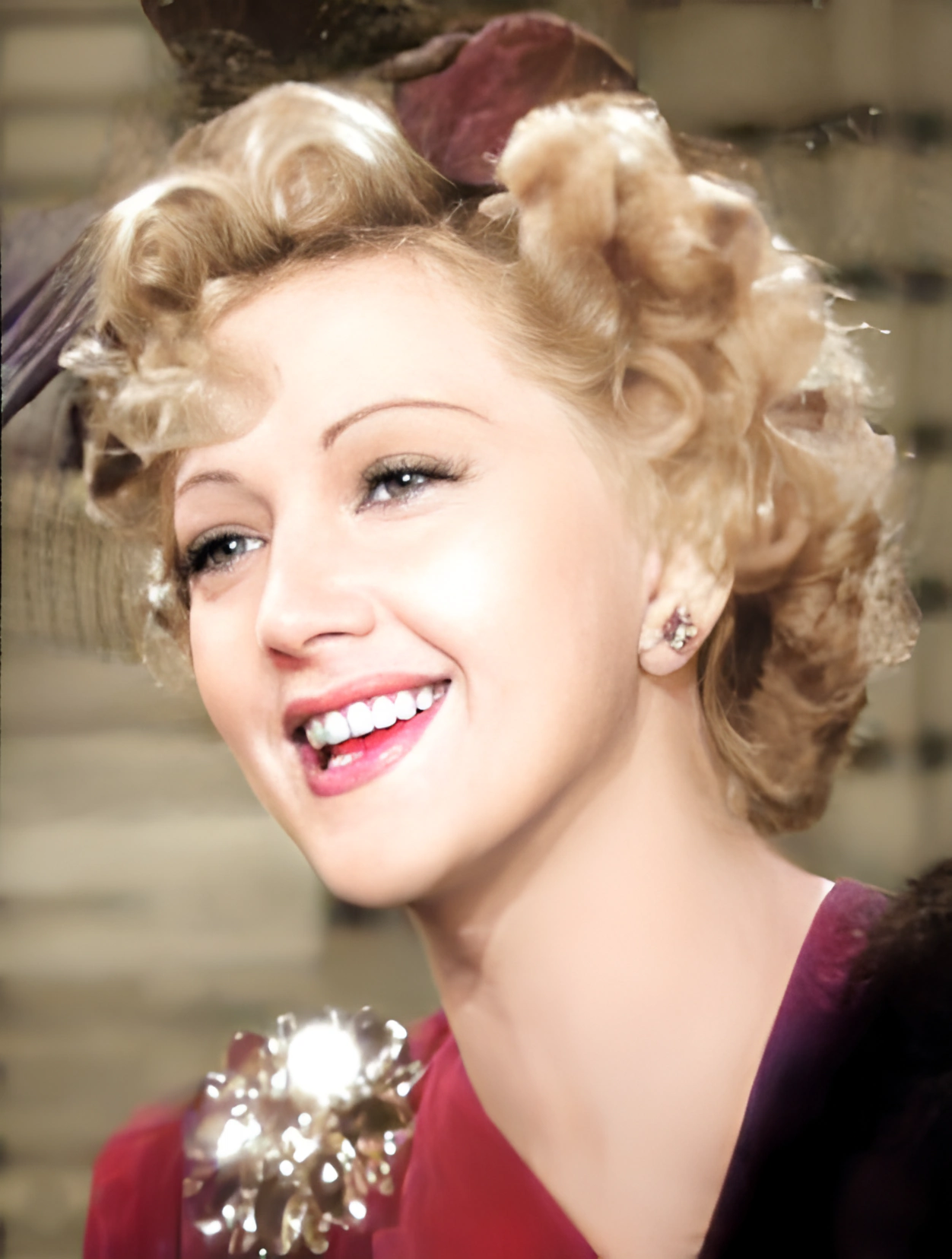
| 13 Quotes | |
| Occup. | Actress |
| From | USA |
| Spouse | Horace Eliashof |
| Born | February 10, 1901 New York City, New York, USA |
| Died | December 21, 1992 Los Angeles, California, USA |
| Cause | Natural causes |
| Aged | 91 years |
| Cite | |
Citation Formats
APA Style (7th ed.)
Stella adler biography, facts and quotes. (2026, February 11). FixQuotes. https://fixquotes.com/actors/stella-adler/
Chicago Style
"Stella Adler biography, facts and quotes." FixQuotes. February 11, 2026. https://fixquotes.com/actors/stella-adler/.
MLA Style (9th ed.)
"Stella Adler biography, facts and quotes." FixQuotes, 11 Feb. 2026, https://fixquotes.com/actors/stella-adler/. Accessed 28 Mar. 2026.
Early Life and Background
Stella Adler was born on February 10, 1901, in New York City into the Adler theatrical dynasty, a Yiddish theatre family whose name carried both privilege and pressure. Her parents, Jacob P. Adler and Sara Adler, were celebrated performers, and the household moved to the rhythms of touring companies, rehearsals, and backstage politics. Before she could think of acting as a career, it was already the air she breathed - an inheritance of craft, accent, and argument about what the stage owed its audience.She made her first appearances as a child, absorbing not only technique but the immigrant urgency behind Yiddish theatre: art as survival, as cultural memory, as an unembarrassed public forum. The world around her was changing fast - Progressive Era New York, labor unrest, the aftershocks of mass immigration - and the theatre her family served was both entertainment and civic space. That early exposure formed her lifelong instinct that performance was not a private therapy but a public act with moral consequences.
Education and Formative Influences
Adler grew up more in rehearsal rooms than classrooms, but she educated herself through work: the discipline of repertory, the musicality of language, and the audience's unforgiving honesty. In the 1920s she moved decisively into English-language theatre and joined the wave of American artists seeking a modern acting truth, eventually entering the orbit of the Group Theatre, founded in 1931 by Harold Clurman, Cheryl Crawford, and Lee Strasberg. Her decisive formative encounter came in 1934 in Paris, when she studied with Konstantin Stanislavski; she returned convinced that American "Method" habits had narrowed his ideas into self-absorption, and she began articulating an alternative built on imagination, text, and social observation.Career, Major Works, and Turning Points
Adler's stage career spanned Broadway and the Group Theatre years, including the landmark 1935 production of Clifford Odets' Awake and Sing!, in which her work helped define the Group's urgent, working-class realism. Yet her most consequential turning point was choosing teaching as a primary vocation: in 1949 she founded the Stella Adler Theatre Studio in New York, later extending her work to Los Angeles. From those classrooms came a lineage of film and theatre stars - among them Marlon Brando, Robert De Niro, Al Pacino, Warren Beatty, and Harvey Keitel - but also thousands of working actors who carried her rigorous approach into regional theatres, television, and independent film. She remained a formidable presence into the late 20th century, a teacher whose authority came not from mystique but from argument, demonstration, and an almost prosecutorial insistence on the actor's responsibility to the world.Philosophy, Style, and Themes
Adler's inner life was marked by a paradox: she championed imagination over confession, yet she spoke with the intensity of someone who believed art could rescue a bruised psyche. Her teaching style was exacting, combative, and protective by turns, shaped by the insecurity of growing up in a famous family and the certainty earned through survival in a brutally competitive profession. She treated acting as a form of citizenship - a practice that demanded curiosity about class, history, and behavior, not just emotion. The actor, in her view, had to become literate in people: how power distorts posture, how poverty edits speech, how desire disguises itself as virtue.She rejected the cult of personal pain as an acting engine, insisting that craft is chosen, not merely felt: “Your talent is in your choice”. That sentence reveals her psychology as much as her pedagogy - an insistence on agency, on refusing the helplessness that life and the industry can impose. She repeatedly drove students away from narcissistic mining of their own biography: “You have to get beyond your own precious inner experiences”. What she offered instead was a disciplined freedom, the idea that imagination is not escapism but a moral instrument, because theatre exists to diagnose and disclose: “The theatre is a spiritual and social X-ray of its time”. In Adler's hands, technique served truth-telling - not as slogan, but as the actor's daily obligation to see more than the self.
Legacy and Influence
Stella Adler died on December 21, 1992, leaving behind one of the most influential acting lineages in American performance. Her enduring impact lies in how she reframed "realism" away from private memory and toward public observation, language, and imaginative reach, strengthening American acting for an era of close-up cameras without surrendering theatre's civic purpose. Institutions bearing her name continue to train actors, but her real monument is methodological: a counterweight within 20th-century acting theory that insists art is not autobiography, and that the performer's deepest instrument is a mind educated by life, literature, and history.Our collection contains 13 quotes written by Stella, under the main topics: Art - Writing - Mental Health - Self-Improvement.
Other people related to Stella: Yancy Butler (Actress), Adrien Brody (Actor), Kate Mulgrew (Actress)
Source / external links