
Thomas Haden Church Biography Quotes 30 Report mistakes
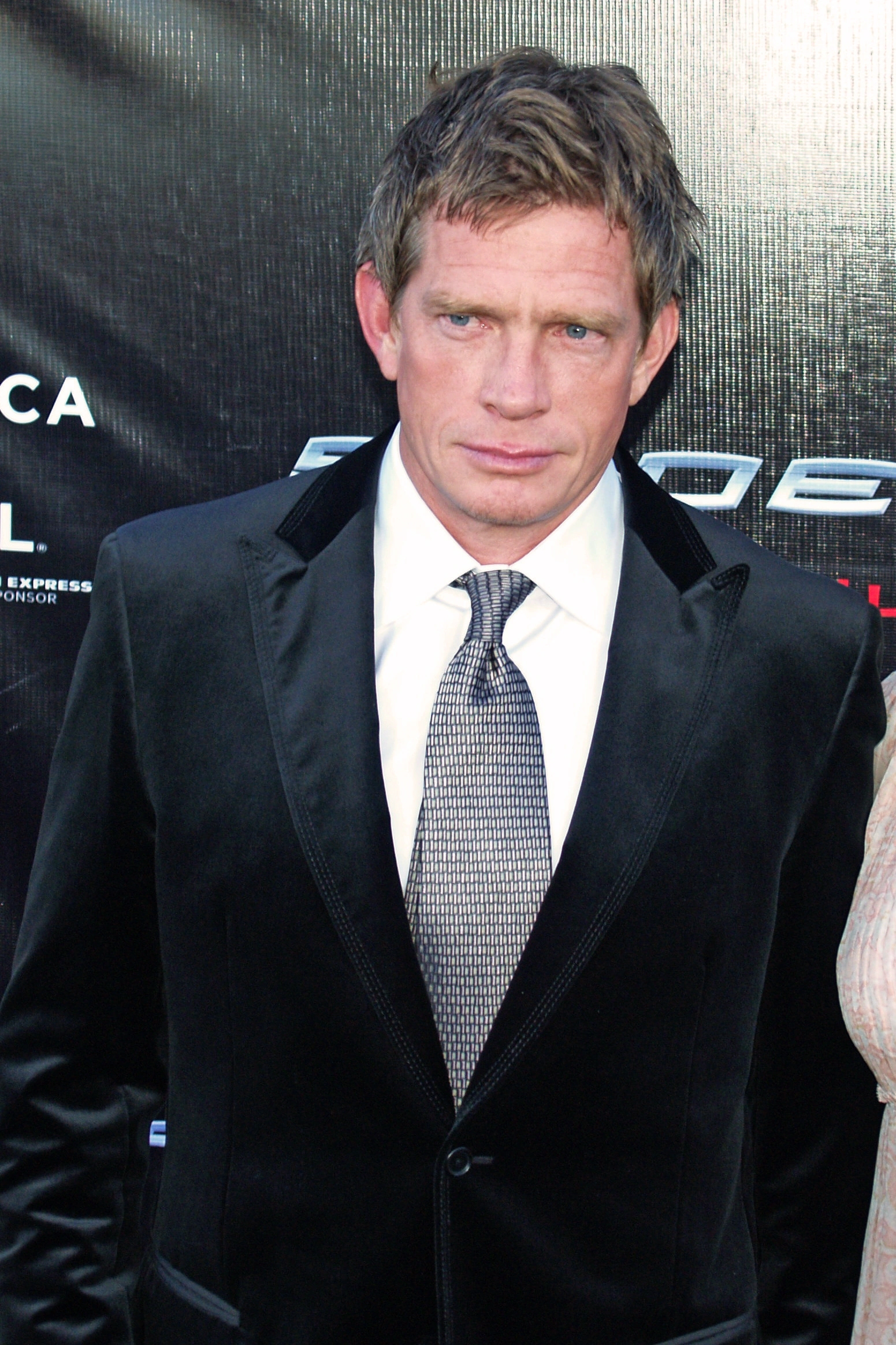
| 30 Quotes | |
| Occup. | Actor |
| From | USA |
| Born | June 17, 1960 |
| Age | 65 years |
| Cite | |
Citation Formats
APA Style (7th ed.)
Thomas haden church biography, facts and quotes. (2026, February 11). FixQuotes. https://fixquotes.com/actors/thomas-haden-church/
Chicago Style
"Thomas Haden Church biography, facts and quotes." FixQuotes. February 11, 2026. https://fixquotes.com/actors/thomas-haden-church/.
MLA Style (9th ed.)
"Thomas Haden Church biography, facts and quotes." FixQuotes, 11 Feb. 2026, https://fixquotes.com/actors/thomas-haden-church/. Accessed 20 Mar. 2026.
Early Life and Background
Thomas Haden Church was born Thomas Richard McMillen on June 17, 1960, in Woodland, California, and spent his childhood moving through the American West and South, including periods in Texas. The landscape that later clung to his public persona - small towns, diners, ranch roads, unshowy masculinity - was not a costume but an atmosphere he absorbed early, along with an instinct for watching people closely and saying little until it mattered. His parents divorced when he was young, and the sense of a life split between places and adults helped form the wary, observant quality that would become a hallmark of his screen work.He took the stage name Thomas Haden Church before his career fully cohered, an early act of self-invention that also hinted at how much he valued privacy and control. That tension - between the anonymous working life he admired and the visibility required by acting - would remain central: he could play men who looked uncomplicated while quietly suggesting the private histories underneath.
Education and Formative Influences
Church attended the University of North Texas but left before graduating, drawn more to the practical apprenticeship of performance than to formal credentials. In the 1980s, as American film and television professionalized around agents, packaging, and high-concept pitches, he came up through working-actor routes: regional work, bit parts, and the discipline of showing up prepared. His formative influences were less a single school than a set of craft pressures - sitcom timing, audition rooms, and the need to be legible in seconds - that taught him how to communicate character with posture, rhythm, and restraint.Career, Major Works, and Turning Points
After early appearances in television and supporting film roles, Church broke through in the mid-1990s as the co-lead of the Fox sitcom "Ned and Stacey" (1995-1997), sharpening a persona that could carry comedy without begging for laughs. The larger turning point came a decade later when Alexander Payne cast him as Jack in "Sideways" (2004), a role that earned him an Academy Award nomination and reframed him as a dramatic actor capable of bruised tenderness, moral mess, and sudden lyricism. He then toggled between prestige and populism: voicing and performing in family films like "Charlotte's Web" (2006), playing Flint Marko/Sandman in "Spider-Man 3" (2007), and taking on character-forward parts in projects such as "Easy A" (2010) and the HBO series "Divorce" (2016-2019). His career reads less like a climb than a series of deliberate pivots, using mainstream visibility to buy room for more idiosyncratic choices.Philosophy, Style, and Themes
Church's acting style is built on economy - a habit of letting the audience do half the work. He often plays men who are not fluent in self-explanation: husbands who stall, friends who grandstand to hide shame, blue-collar strivers who fear being seen as small. That fits an era in which American masculinity on screen shifted from invulnerable heroes to emotionally compromised anti-heroes; Church became an interpreter of that shift without turning it into a thesis. His best performances make vanity look like fear and bravado look like a rehearsed story the character can no longer fully believe.Behind that approach is a plainspoken ethic of humility and a suspicion of flash. “I love knowing that I'm not better than any other person on the planet”. He has described seeking ordinary rhythms away from sets and premieres - “I love going to the feed store and drinking coffee and talking about how much rain we need”. - and that preference shows up in his screen presence: he grounds scenes by behaving like someone who has lived in the world before the camera arrived. Even his creative decisions reflect a desire for work that ages rather than expires: “I did a series called Ned and Stacey for two years for Fox back in the 90s. I was writer on it as well as a producer, and it was very important to me that there were no contemporary references”. Taken together, these statements map a psychology that protects the private self, values durability over trend, and treats craft as a blue-collar practice rather than a red-carpet identity.
Legacy and Influence
Thomas Haden Church's enduring influence is less about iconic stardom than about a model of the American character actor as leading man: credible in comedy, dangerous in sadness, and never too polished to be believable. "Sideways" remains his signature because it captured a cultural moment - middle-aged disillusionment, performative confidence, and the quiet grief behind entitlement - and his work continues to feed later ensembles that need authenticity more than spectacle. In an industry that rewards constant self-mythmaking, he has made a different kind of career: one built on understatement, selective visibility, and performances that imply a whole life beyond the frame.Our collection contains 30 quotes written by Thomas, under the main topics: Writing - Learning - Life - Failure - Movie.
Other people related to Thomas: Virginia Madsen (Actress), Tony Shalhoub (Actor), Walter Hill (Director), Emile Hirsch (Actor), Alexander Payne (Director)
Source / external links