
Tom Sizemore Biography Quotes 10 Report mistakes
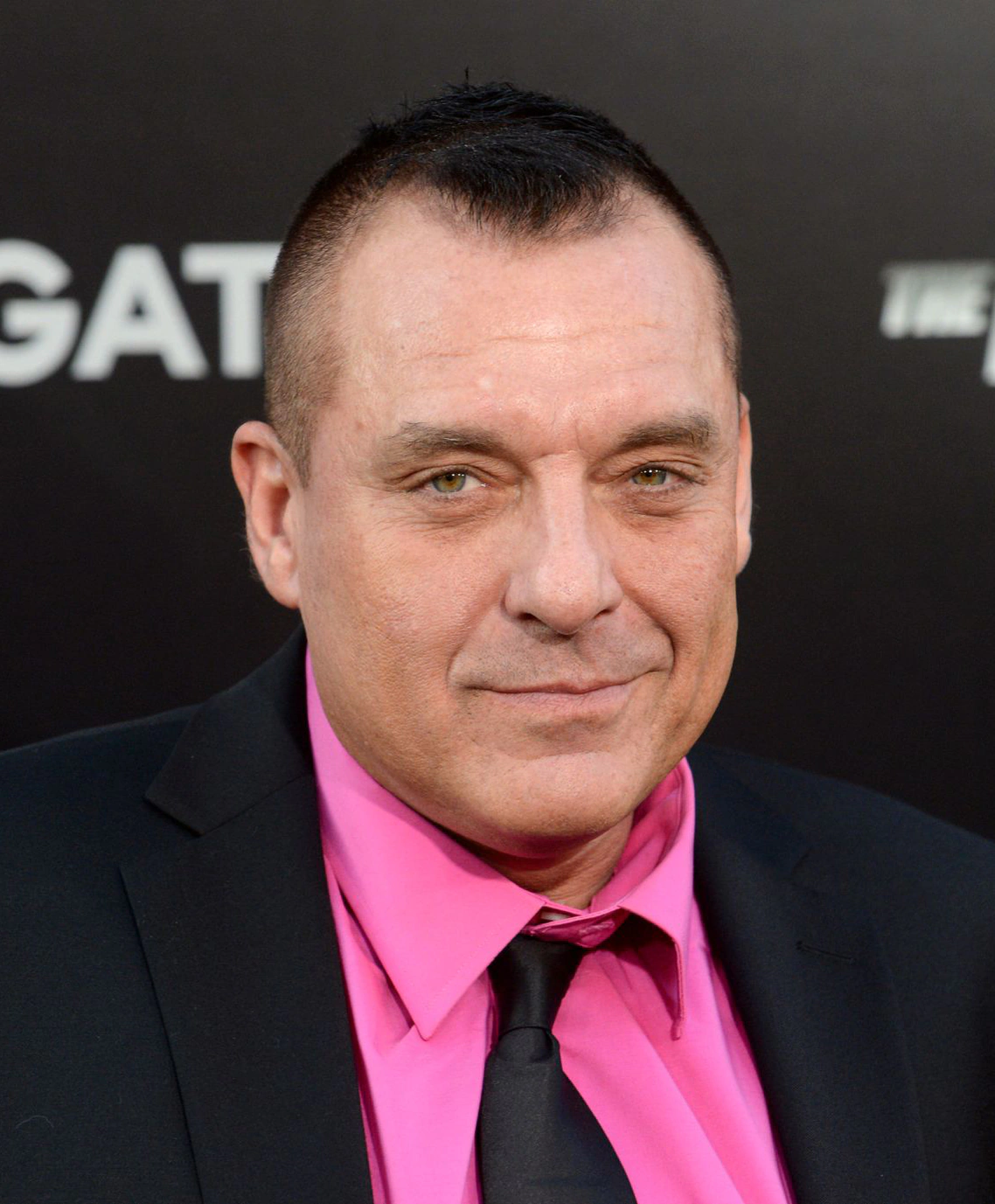
| 10 Quotes | |
| Occup. | Actor |
| From | USA |
| Born | November 29, 1961 Detroit, Michigan |
| Age | 64 years |
| Cite | |
Citation Formats
APA Style (7th ed.)
Tom sizemore biography, facts and quotes. (2026, February 11). FixQuotes. https://fixquotes.com/actors/tom-sizemore/
Chicago Style
"Tom Sizemore biography, facts and quotes." FixQuotes. February 11, 2026. https://fixquotes.com/actors/tom-sizemore/.
MLA Style (9th ed.)
"Tom Sizemore biography, facts and quotes." FixQuotes, 11 Feb. 2026, https://fixquotes.com/actors/tom-sizemore/. Accessed 23 Mar. 2026.
Early Life and Background
Thomas Edward Sizemore Jr. was born on November 29, 1961, in Detroit, Michigan, and grew up in a working- and middle-class Midwest shaped by late-industrial America. His father, Thomas Edward Sizemore Sr., worked as a lawyer and philosopher; his mother, Judith, was an employee of the Detroit Ombudsman. The household combined civic-minded seriousness with the hard angles of a city wrestling with deindustrialization, crime, and racial tension - pressures that later echoed in the roles he gravitated toward: men defined by loyalty, appetite, and consequence.Sizemore spoke openly about a childhood marked by instability and pain, experiences that complicated his adult relationships and sharpened his understanding of control and helplessness. Long before fame, he was drawn to intensity - not the tidy intensity of achievement alone, but the lived intensity of survival - and he would carry that tension into performances that often felt less like acting than like a man trying to out-stare his own worst impulses.
Education and Formative Influences
He attended Wayne State University, then earned a Master of Arts in theater from Temple University in Philadelphia. Those years coincided with a fertile American acting culture that prized emotional truth over polish - a lineage running from stage naturalism to the film realism of the 1970s and its aftershocks. Sizemore absorbed a craft ethos that valued behavior, physical detail, and moral stakes, and he emerged with the temperament of a character actor who believed the body, not the speech, tells the real story.Career, Major Works, and Turning Points
After early stage work and small film parts, Sizemore broke through in the early 1990s, becoming a reliable force in high-pressure crime and war narratives: Oliver Stone's "Natural Born Killers" (1994); Michael Mann's "Heat" (1995), where his bruised-competent detective helped define the film's procedural gravitas; and "Strange Days" (1995). His central mainstream turning point came as Technical Sergeant Mike Horvath in Steven Spielberg's "Saving Private Ryan" (1998), a role that fused grit with vulnerable decency and permanently tied his name to one of the era's defining WWII films. Offscreen, escalating addiction and legal troubles repeatedly disrupted his career in the 2000s, even as he continued to work steadily in independent features and television, his talent surviving in flashes amid long stretches of personal and professional turbulence.Philosophy, Style, and Themes
Sizemore's best work was built on an almost documentary sense of pressure - the look of a man making decisions inside a narrowing corridor. He played cops, soldiers, thieves, and hangers-on with a nervous fidelity to how compromised people move: not as symbols, but as organisms. That realism reflected an inner self often at war with itself, a psychology he once summarized with disarming bluntness: “Why am I the way I am? Well, I used to be different”. The line reads like both confession and elegy, suggesting a life divided into a before and after - a common architecture in addiction narratives, but also in his characters, who often seem to remember the person they were supposed to be.He also spoke like an actor haunted by the difference between celebrity and craft. “I didn't come to Hollywood to drink or get high, and I don't want to be considered a cool actor - I want to be a great actor”. That hunger - for greatness rather than aura - helps explain why his performances, at their peak, feel so lived-in: he chased competence, not charm. Yet he understood what made audiences stay with a face: “I think being a movie star is about whether an audience can watch you and care about you”. In practice, he earned that care by letting fear leak through authority - a soldier's fatigue, a detective's impatience, a criminal's dread - turning toughness into a kind of tragic transparency.
Legacy and Influence
Sizemore died in 2023, but his imprint remains vivid in the 1990s cycle of American crime cinema and post-Vietnam, post-Gulf War masculinity on screen: men trained to endure, then asked to feel. He became a reference point for "lived" supporting performances - the actor directors used to make a scene smell like real sweat - and for the cautionary narrative of talent colliding with compulsion. At his best, he left a template for how character acting can carry moral weight without speeches: a glance, a twitch, a moment of restraint that tells you a whole life is happening just out of frame.Our collection contains 10 quotes written by Tom, under the main topics: Witty One-Liners - Life - Work Ethic - Movie - Military & Soldier.
Source / external links