
Tommy Rettig Biography Quotes 21 Report mistakes
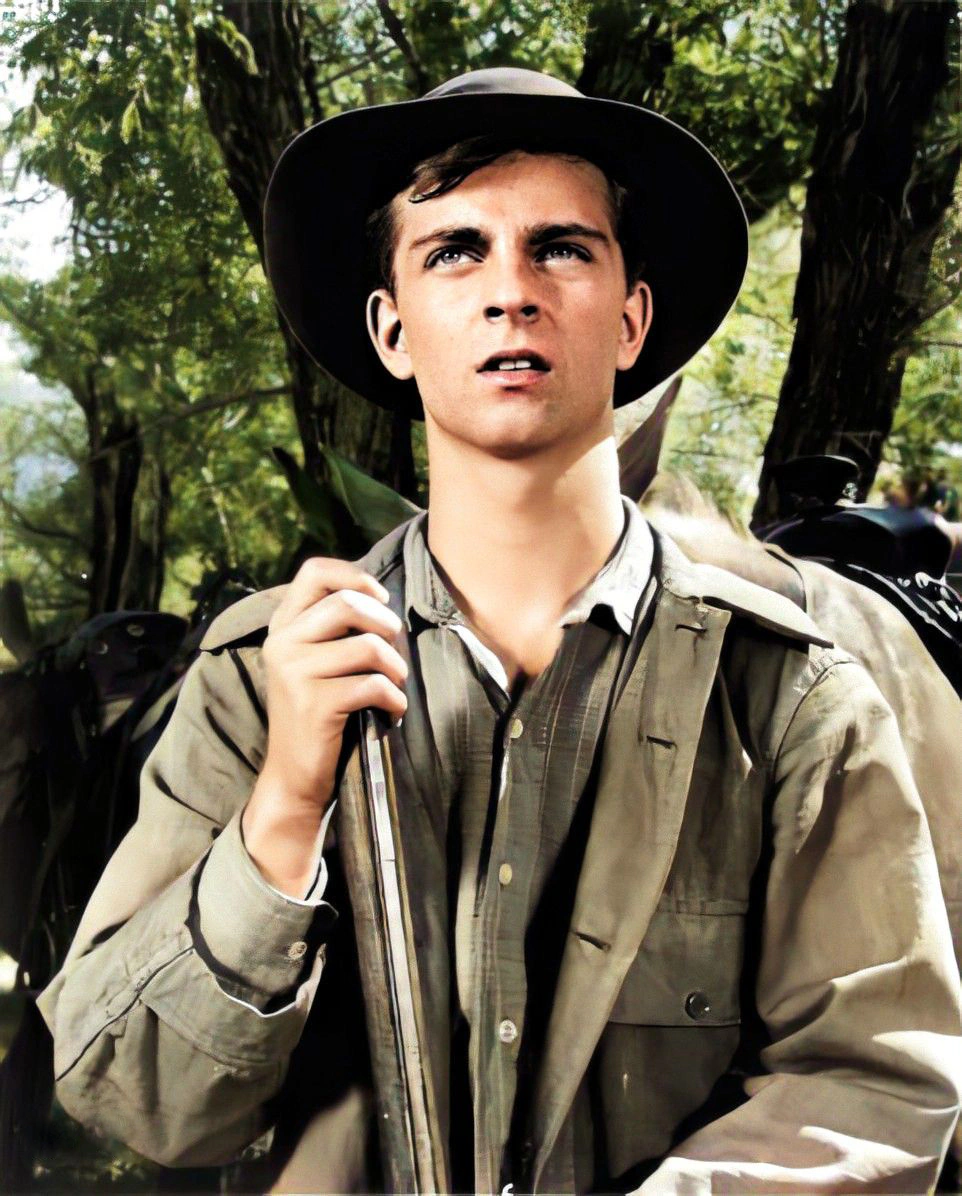
| 21 Quotes | |
| Occup. | Actor |
| From | USA |
| Born | December 10, 1941 Los Angeles, California, USA |
| Died | February 15, 1996 Los Angeles, California, USA |
| Cause | Heart Failure |
| Aged | 54 years |
| Cite | |
Citation Formats
APA Style (7th ed.)
Tommy rettig biography, facts and quotes. (2026, February 11). FixQuotes. https://fixquotes.com/actors/tommy-rettig/
Chicago Style
"Tommy Rettig biography, facts and quotes." FixQuotes. February 11, 2026. https://fixquotes.com/actors/tommy-rettig/.
MLA Style (9th ed.)
"Tommy Rettig biography, facts and quotes." FixQuotes, 11 Feb. 2026, https://fixquotes.com/actors/tommy-rettig/. Accessed 13 Feb. 2026.
Early Life and Background
Thomas Noel Rettig was born on December 10, 1941, in the United States, arriving as the country pivoted from Depression-era restraint into wartime mobilization and then postwar television abundance. He grew up in Southern California at the moment when Hollywood was beginning to export childhood itself as a commodity - freckled, earnest, and safe enough for the living room. Rettig had the kind of open, alert face that casting directors read as trustworthy, and he was pulled early into the studio ecosystem that could turn a minor into a brand.From the beginning, his inner life ran against the grain of his public image. The postwar child star was expected to be permanently grateful and perpetually young; Rettig learned quickly that applause could be both addictive and alienating. Even before adulthood, he sensed the trap: the work offered money and attention, but it also froze him in a role other people owned. That tension - between wanting an ordinary adolescence and being treated as a symbol - would define the sharp turns of his later life.
Education and Formative Influences
Rettig spent his school years under the logistical strain typical of child actors, balancing sets, tutors, and periodic returns to classrooms. He later admitted, "I wanted to go to regular high school - it looked like a lot of fun". That wistfulness points to more than missed pep rallies; it suggests a boy watching community from the outside, learning to perform belonging rather than simply inhabit it. In the 1950s and early 1960s, as television became the family hearth, Rettig absorbed the era's moral scripts while privately testing how much of himself could exist off-camera.Career, Major Works, and Turning Points
Rettig became widely known as Jeff Miller, the first boy lead on the long-running TV series "Lassie" (CBS, 1954-1957), a role that made him synonymous with wholesome, small-town adventure at the height of the medium's innocence. His route to the part, as he recalled, was industry-informal and fate-laced: "There was this little shaggy dog on it, and Frank Weatherwax was working the dog... have your agent check into it. I did, and I went for a screen test". After leaving the series, he acted intermittently, but the cultural label clung: he later noted, "I was still thought of as a kid actor even though I was in my mid twenties". The larger turning point came not from a single role but from exiting the narrow corridor of child-star casting and moving toward music, publishing, and eventually the emerging world of software and technical work, where competence mattered more than nostalgia.Philosophy, Style, and Themes
Rettig's interviews reveal a man who distrusted pedestals and resisted being reduced to an emblem. "The kids put you on a pedestal. I didn't like it". That sentence captures an adult still hearing the roar of an audience that could not see the person behind the persona - and a psychology shaped by early overexposure: praise as pressure, recognition as confinement. His guardedness reads less like bitterness than like a survival strategy, a way to reclaim boundaries after childhood in a fishbowl.He also carried a complicated relationship to the 1960s counterculture, reflecting how former child stars often met the decade with both curiosity and recoil. "I was totally devastated for four years in the mid '60s when l tried to buck the tide". The line hints at a man watching values shift faster than his own identity could keep up, caught between the clean certainties of 1950s TV and the era's new freedoms and risks. Yet his approach to work stayed pragmatic rather than romantic: "Once in a while there was some TV offer and I'd take it". In that practicality is a quiet thesis - fame was not a calling but a job, and not always his chosen one.
Legacy and Influence
Rettig died on February 15, 1996, but his story remains a key chapter in the American biography of fame: the child star as cultural property, then as adult struggling to be legible outside a childhood role. As the original "Lassie" boy lead, he helped establish the grammar of family television - earnest kid, loyal animal, moral clarity - that would echo through decades of programming. Yet his deeper influence lies in the cautionary honesty with which he described the costs of early celebrity: the longing for ordinary schooldays, the discomfort with adoration, and the long effort to be recognized not as a memory but as a whole, changing person.Our collection contains 21 quotes written by Tommy, under the main topics: Ethics & Morality - Truth - Friendship - Music - Equality.
Frequently Asked Questions
- Darlene Portwood: Darlene Portwood was Tommy Rettig's wife.
- Tommy Rettig Grave: Tommy Rettig is buried at Hillside Memorial Park Cemetery in Culver City, California.
- Why did Tommy Rettig leave Lassie: Tommy Rettig left Lassie because he outgrew the role and wanted to pursue other opportunities.
- What did Tommy Rettig die of: Tommy Rettig died of a heart attack.
- Tommy Rettig wife: Tommy Rettig was married to Darlene Portwood.
- What is Tommy Rettig net worth? Tommy Rettig's net worth is not well-documented, but he faced financial difficulties later in life.
- How old was Tommy Rettig? He became 54 years old
Source / external links