
Vicky Krieps Biography Quotes 7 Report mistakes
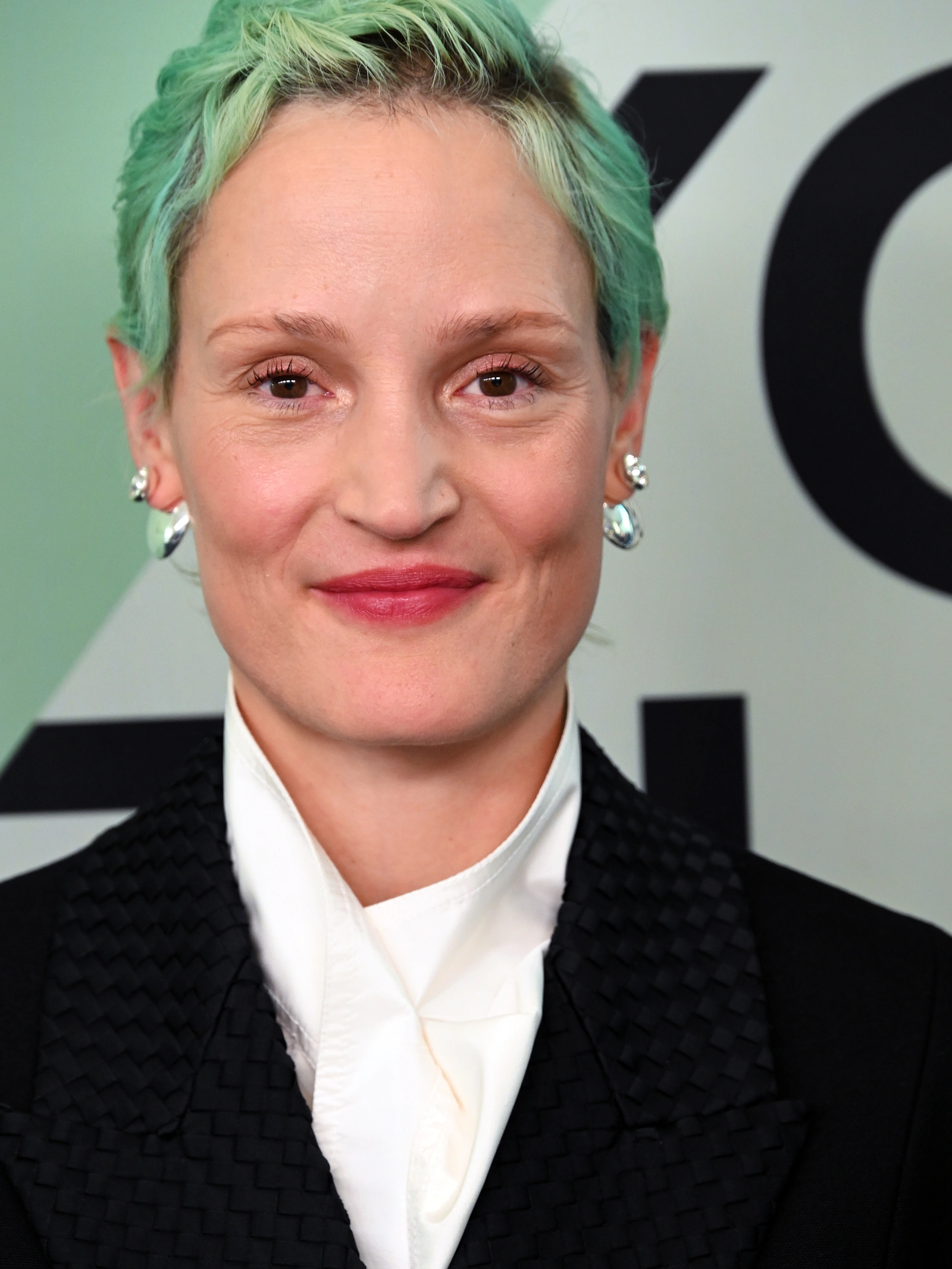
| 7 Quotes | |
| Occup. | Actress |
| From | Luxembourg |
| Born | October 4, 1983 Luxembourg City, Luxembourg |
| Age | 42 years |
| Cite | |
Citation Formats
APA Style (7th ed.)
Vicky krieps biography, facts and quotes. (2026, February 16). FixQuotes. https://fixquotes.com/actors/vicky-krieps/
Chicago Style
"Vicky Krieps biography, facts and quotes." FixQuotes. February 16, 2026. https://fixquotes.com/actors/vicky-krieps/.
MLA Style (9th ed.)
"Vicky Krieps biography, facts and quotes." FixQuotes, 16 Feb. 2026, https://fixquotes.com/actors/vicky-krieps/. Accessed 30 Mar. 2026.
Early Life and Background
Vicky Krieps was born on October 4, 1983, in Luxembourg City, Luxembourg, and grew up in a small, multilingual country where borders are lived realities rather than abstractions. The mix of Luxembourgish, French, and German cultural signals shaped an early sensitivity to code-switching - not only between languages, but between social roles. That elasticity later became one of her signatures on screen: characters who seem to listen as much as they speak, and whose inner weather is never fully translated.Her adolescence unfolded in a Europe redefining itself after the Cold War, with the European Union expanding and questions of identity, labor, and belonging moving from theory into daily life. For an aspiring actor from Luxembourg - a nation with a modest film infrastructure compared to neighboring France and Germany - ambition required outward motion. Krieps internalized that tension: the desire to leave and the need to remain rooted, a duality that would recur in her portrayals of women negotiating the limits of their circumstances.
Education and Formative Influences
She trained formally at the Zurich University of the Arts (Zurcher Hochschule der Kunste) in Switzerland, graduating in the mid-2000s, and built her craft in a German-speaking theatrical tradition that prizes ensemble discipline, text analysis, and psychological realism. Zurich also placed her within a transnational corridor of European cinema and stage work, where directors and actors routinely cross borders and where performance is treated less as celebrity and more as rigorous labor - a formative context for her later insistence on precision, humility, and trust in collaboration.Career, Major Works, and Turning Points
Krieps worked steadily in European film and television for years before a defining international breakthrough with Paul Thomas Anderson's Phantom Thread (2017), in which her Alma both disrupts and clarifies the world of a controlling couturier; the performance announced her as an actor capable of matching virtuosity with restraint. She followed with roles that deepened her reputation for choosing morally and emotionally complex material: Bergman Island (2021), where performance and authorship blur into lived feeling; Old (2021), bringing grounded humanity to a high-concept scenario; and Corsage (2022), her acclaimed turn as Empress Elisabeth of Austria, a portrait of suffocation inside image-making. Later projects such as The Dead Don't Hurt (2023) and Hot Milk (announced) continued the pattern - work that foregrounds conscience, bodily presence, and the politics of intimacy.Philosophy, Style, and Themes
Krieps acts like someone resisting a culture of speed. Her best scenes feel carved from attention: the pause that refuses to be decorative, the glance that changes the moral temperature of a room. That resistance is philosophical as much as aesthetic. She has spoken bluntly about modern distraction and the way people are pressed into performance in everyday life: “How we live in a society where we seem to always run after time and no one knows what we’re running for”. In her work, urgency is often revealed as a trap - a demand to produce, to please, to be legible - and her characters push back by becoming harder to reduce.She also frames acting as an ethical relationship rather than a personal showcase, locating power in surrender to a shared vision: “I have to trust a director. I really believe that is the secret to good acting and good directing: blind trust”. That trust is not passivity; it is a wager that vulnerability can be protected long enough to become art. Underneath is a psychological stance that helps explain her recurring interest in women boxed in by scripts written by others - lovers, institutions, history. Her interviews echo the internal turn from self-blame to structural critique: "I’ve stopped thinking that I’m the mistake. I’ve stopped thinking, “I’m too weak for the game”, but I start to think, “No. I’m fine. The game is fucked”". . In Phantom Thread and Corsage alike, she plays the moment when compliance becomes clarity, and clarity becomes a quiet form of revolt.
Legacy and Influence
Krieps has become a reference point for a particular kind of contemporary European stardom: international without being homogenized, luminous without being flattened into brand. Her influence is less about imitation than permission - proof that an actor from a small nation can shape global cinema through choices, craft, and a refusal to over-explain the soul. In an era hungry for instant readability, she has helped re-legitimize mystery as a serious artistic value, reminding audiences and younger performers that interior life can be the most radical special effect.Our collection contains 7 quotes written by Vicky, under the main topics: Ethics & Morality - Mental Health - Time - Confidence - Self-Improvement.
Source / external links