
Wil Wheaton Biography Quotes 3 Report mistakes
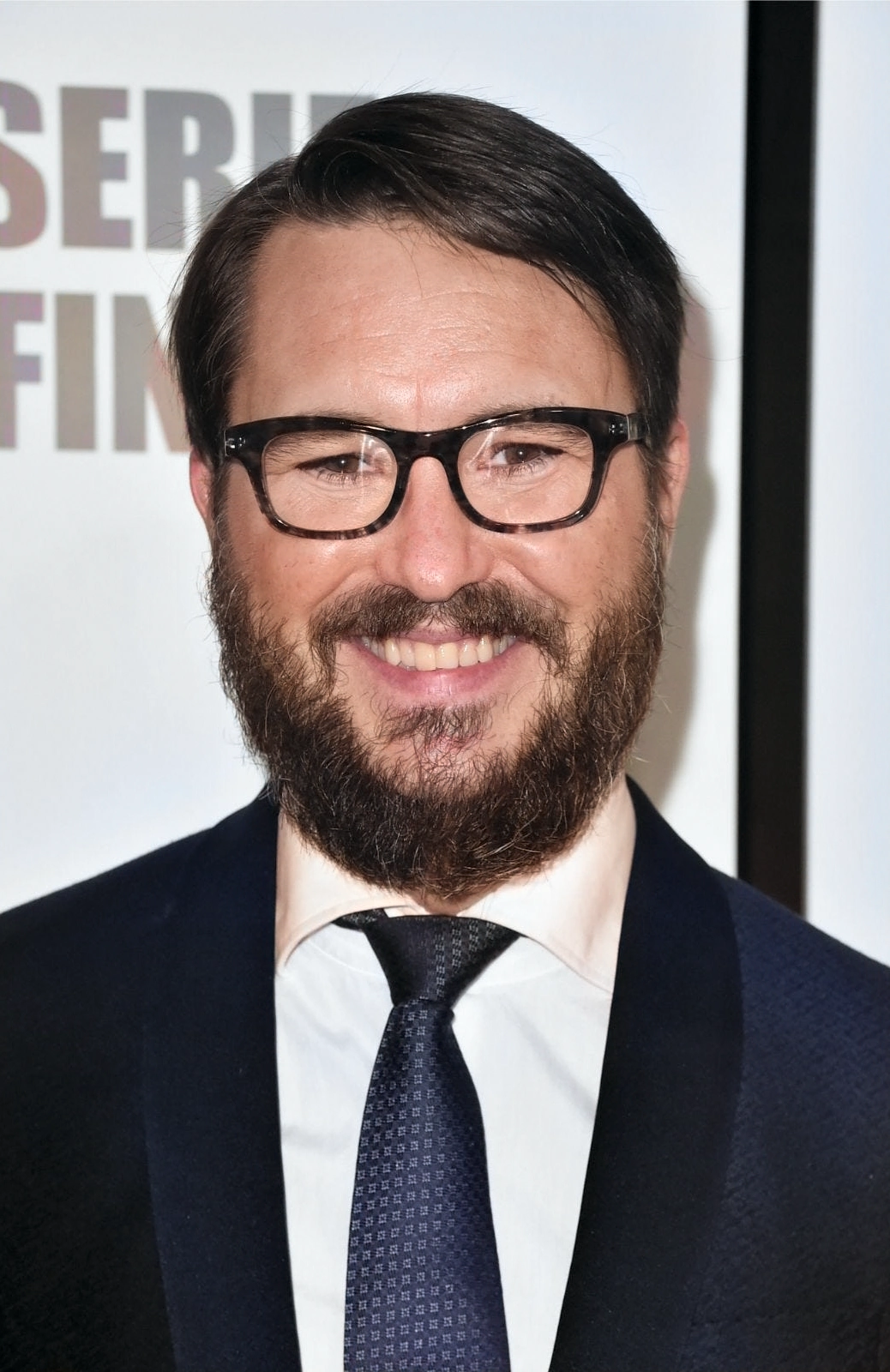
| 3 Quotes | |
| Born as | Richard William Wheaton III |
| Occup. | Actor |
| From | USA |
| Born | July 29, 1972 Burbank, California, USA |
| Age | 53 years |
| Cite | |
Citation Formats
APA Style (7th ed.)
Wil wheaton biography, facts and quotes. (2026, February 23). FixQuotes. https://fixquotes.com/actors/wil-wheaton/
Chicago Style
"Wil Wheaton biography, facts and quotes." FixQuotes. February 23, 2026. https://fixquotes.com/actors/wil-wheaton/.
MLA Style (9th ed.)
"Wil Wheaton biography, facts and quotes." FixQuotes, 23 Feb. 2026, https://fixquotes.com/actors/wil-wheaton/. Accessed 5 Mar. 2026.
Early Life and Background
Richard William Wheaton III was born July 29, 1972, in Burbank, California, into the company-town atmosphere of the American entertainment industry. Raised in a family with close proximity to Hollywood, he entered acting as a child, learning early that work could arrive suddenly, that adults could be mercurial, and that a kid could be treated as both a professional and a prop. The tension between public visibility and private vulnerability would become a defining pattern in his life, later reframed as advocacy and memoir.
Wheaton has spoken over the years about a difficult home environment and the long aftereffects of childhood exploitation, experiences that sharpened his sensitivity to power and consent. In the late 1970s and 1980s, the culture around child performers was only beginning to be publicly interrogated; therapy-speak and trauma literacy were less common in mainstream discourse, and the expectation was that young actors simply "handled it". That mismatch between what he felt and what the industry demanded helped form an adult identity built on candor, boundary-setting, and an insistence that emotional reality matters as much as professional output.
Education and Formative Influences
He attended school in Southern California while working, a balancing act familiar to many child actors but rarely experienced by their peers. His formative influences mixed the pragmatic discipline of sets with the imaginative refuge of science fiction, fantasy, and tabletop gaming. Those fandom spaces, especially as they grew into organized conventions and online communities, offered him an alternative model of belonging: not celebrity worship, but shared language, in-jokes, and the idea that stories can be a kind of shelter. That early immersion would later make him unusually fluent in the culture of geeks and gamers, and well positioned to translate it to wider audiences.
Career, Major Works, and Turning Points
Wheaton broke through in Rob Reiner's coming-of-age film Stand by Me (1986), then became internationally recognized as Wesley Crusher on Star Trek: The Next Generation (1987-1994), a role that made him a symbol of youthful idealism inside a franchise synonymous with future-facing ethics. He later worked steadily across film and television while reinventing his public identity through internet-era platforms: the web series TableTop (as host and producer) helped legitimize modern board gaming as mainstream entertainment; acting roles included recurring appearances as a heightened version of himself on The Big Bang Theory, voice work in animation, and continued screen work alongside writing, audiobook narration, and hosting. A major turning point was shifting from being acted-upon by fandom narratives to actively authoring his own - through essays, memoir, and direct engagement with audiences that valued honesty over polish.
Philosophy, Style, and Themes
Wheaton's public philosophy is grounded in emotional transparency, a refusal of machismo, and a belief that vulnerability can be a form of strength when paired with accountability. He often writes and speaks from the body outward: illness, anxiety, and recovery are not treated as embarrassing digressions but as lived facts shaping creativity and relationships. “I'm guess I'm up to about 70% of normal, which is a real relief. My doctor gave me clearance to go out in public again, so I've been able to go to the store and help out a little bit around the house”. The plainness of the details - percentages, errands, small competencies regained - reveals a mind that measures hope in increments, trained by experience to distrust grand transformations and to prize the hard-won ordinary.
His style blends memoirist intimacy with the moral urgency of a citizen who believes culture is political even when it pretends not to be. He can be sharply diagnostic about American temperament and the national addiction to spectacle and threat-display: “If the world were a bar, America would currently be the angry drunk waving around a loaded gun. Yeah, the other people in the bar may be afraid of him, but they sure as hell don't respect him”. That metaphor is characteristic - pop-culture accessible, emotionally vivid, and built to puncture denial. Yet his critique is balanced by a domestic ethic in which partnership functions as repair and reparenting; he repeatedly centers his wife, Anne Wheaton, as a stabilizing moral witness: “My wife is the most awesome person in the universe. She's made this experience much less miserable for me, with her compassion, patience and understanding”. The through-line across these themes is relational: health is communal, politics is interpersonal scaled up, and fandom at its best is a chosen family that can teach empathy.
Legacy and Influence
Wheaton's enduring influence lies in how he remodeled the post-child-star arc for the digital age: not through a single "comeback", but by building a portfolio of identity - actor, host, narrator, writer, and mental-health-forward public figure - whose credibility rests on consistency rather than glamour. He helped normalize geek culture before it became a corporate marketing category, and he helped normalize a frank vocabulary around trauma and recovery among audiences who often learned stoicism from the very genres they loved. For many, he remains a bridge between classic science-fiction optimism and contemporary realism: proof that idealism can survive adulthood, provided it is tempered by boundaries, empathy, and the courage to tell the truth about what it costs.
Our collection contains 3 quotes written by Wil, under the main topics: Get Well Soon - War - Husband & Wife.
Other people related to Wil: Corey Feldman (Actor), LeVar Burton (Actor), Brent Spiner (Actor), Marina Sirtis (Actress)
Source / external links