
Ziyi Zhang Biography Quotes 8 Report mistakes
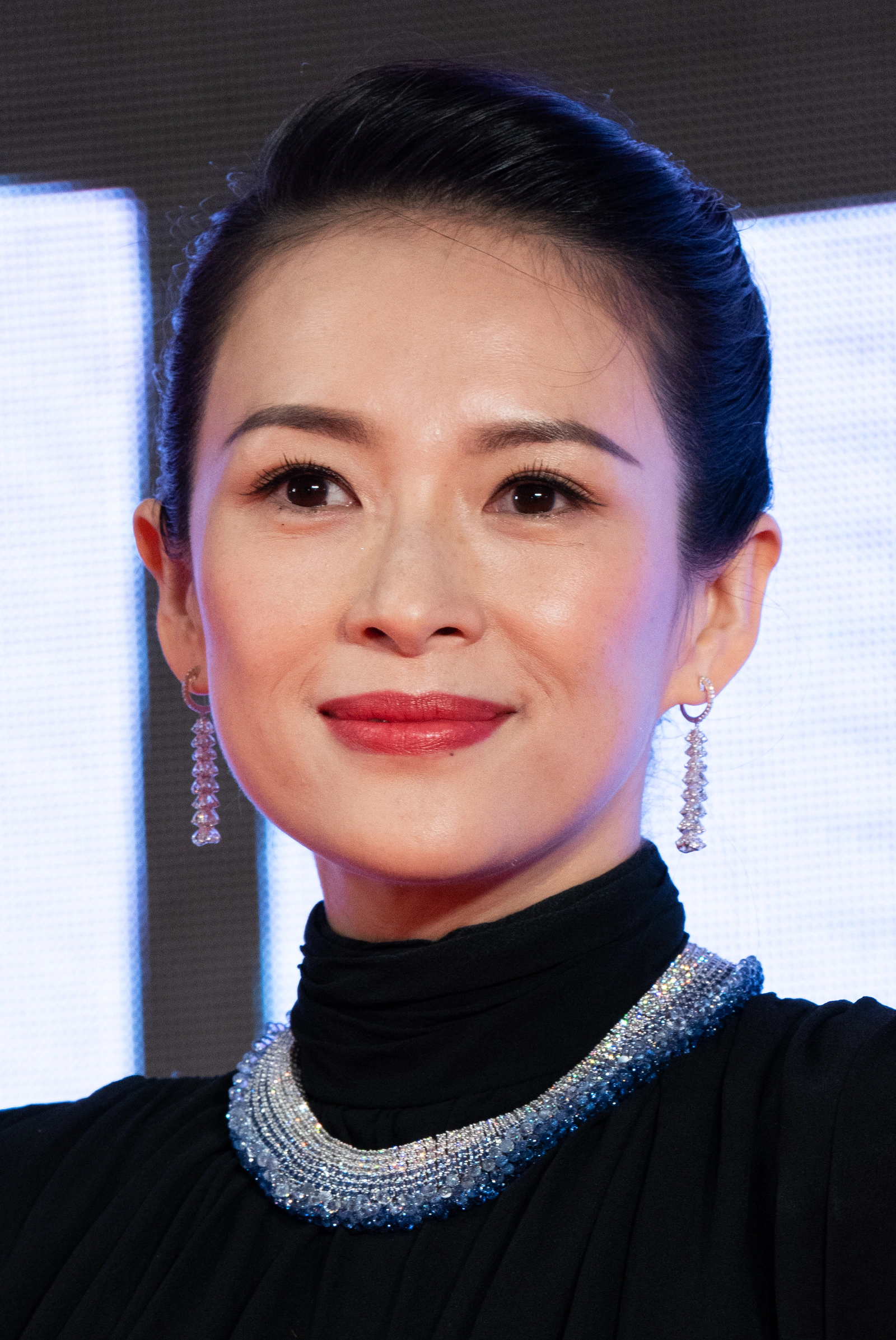
| 8 Quotes | |
| Born as | 章子怡 |
|---|---|
| Occup. | Actress |
| From | China |
| Born | February 9, 1979 Beijing, China |
| Age | 47 years |
| Cite | |
Citation Formats
APA Style (7th ed.)
Ziyi zhang biography, facts and quotes. (2026, August 13). FixQuotes. https://fixquotes.com/actors/ziyi-zhang/
Chicago Style
"Ziyi Zhang biography, facts and quotes." FixQuotes. August 13, 2026. https://fixquotes.com/actors/ziyi-zhang/.
MLA Style (9th ed.)
"Ziyi Zhang biography, facts and quotes." FixQuotes, 13 Aug. 2026, https://fixquotes.com/actors/ziyi-zhang/. Accessed 7 Oct. 2026.
Early Life and Background
Zhang Ziyi was born on February 9, 1979, in Beijing, in the late Mao-afterglow years when China was opening economically but still tightly structured in daily life. She grew up in an ordinary, disciplined family: her father worked as an economist and later in telecommunications administration, and her mother was a kindergarten teacher. The household was not artistic in the bohemian sense, but it prized effort, order, and advancement through training. That atmosphere matters to understanding Zhang. Her screen image would later oscillate between fragility and steel, yet both qualities were already present in the Beijing of her childhood - a city of regimented schools, collective aspiration, and fierce competition under a rapidly modernizing state.
As a child she was slight and serious, drawn less to celebrity than to competence. Beijing in the 1980s offered state-run routes for talented children, and performance training was one of them. What began as parental guidance became vocation. Dance school imposed physical rigor, emotional self-command, and an early awareness that talent only survived when fused to discipline. Those years also exposed the hierarchy of performance: some bodies led, others blended into the ensemble. For Zhang, that distinction became psychologically decisive. Long before film fame, she had learned how institutions shape ambition - and how a young woman could convert obedience into self-possession.
Education and Formative Influences
At age eleven she entered the Beijing Dance Academy, specializing in folk dance, and absorbed an ethic of repetition severe enough to mark her bearing for life. She later explained, “My parents sent me to a dance class, so it was a road chosen by them, not me. But I enjoyed it so much I knew I would become a performer”. Yet dance also taught her the limits of invisibility inside a chorus line; as she has said elsewhere, she turned toward acting partly because she did not want to disappear into a group. After dance competitions and adolescent injuries narrowed her path, she entered the Central Academy of Drama, where performance widened from bodily precision to psychology, voice, and cinematic presence. There she emerged at the exact historical moment when China's Fifth Generation directors were internationally ascendant and searching for younger faces who could carry Chinese stories beyond national borders.
Career, Major Works, and Turning Points
Zhang's breakthrough came quickly. Director Zhang Yimou cast her in The Road Home (1999), a luminous rural romance that introduced her as both innocent and strong-willed. International fame followed with Ang Lee's Crouching Tiger, Hidden Dragon (2000), where her ferocious Jen combined youthful arrogance, erotic restlessness, and athletic danger; the film made her one of the first mainland Chinese actresses of her generation to become a global star. She consolidated that status in Rush Hour 2 (2001), Hero (2002), House of Flying Daggers (2004), and 2046 (2004), proving she could move between martial spectacle and Wong Kar-wai's melancholy modernism. Memoirs of a Geisha (2005) expanded her Hollywood visibility, though it also placed her within contested East Asian casting politics. She then deepened her dramatic range in The Banquet (2006), Forever Enthralled (2008), and especially The Grandmaster (2013), where her Gong Er became one of the defining performances of contemporary Chinese cinema - proud, wounded, and morally exacting. Alongside film, she served on major festival juries, entered production, and returned repeatedly to Chinese-language projects, navigating fame, scandal, censorship-era celebrity culture, marriage, motherhood, and eventual reinvention without relinquishing her central place in transnational cinema.
Philosophy, Style, and Themes
Zhang's art is built on paradox: extreme control used to express emotional volatility. Dance gave her line, balance, and an instinct for how the camera reads the body; drama gave her access to pride, shame, desire, and repression. She has been unusually candid about the labor behind illusion: “I knew nothing about martial arts. And I don't really like it! But in the film, I not only had to pretend that I knew all about it, I had to be the best at it. That was very difficult”. The remark is revealing. Her signature performances often center on women forced to master codes they did not invent - aristocratic decorum, martial discipline, national myth, male-authored fantasy - and then bend those codes toward self-definition. The apparent ease of her screen presence is usually the product of strain. As she once put it, “Whatever you see - any good results - are all from the pressure”. Pressure, in her case, became method.
That method also illuminates her inner life and public persona. Unlike stars who trade on confessional spontaneity, Zhang has often projected reserve, even when playing passion. Her performances are full of withheld feeling - tears delayed, anger refined into posture, longing translated into stillness. This links to a specifically Chinese moral-aesthetic tradition in which surface and essence are not easily separated. “In China, we don't consider someone truly beautiful until we have known them for a long time, and we know what's underneath the skin”. Read as self-description, the line suggests her recurring theme: beauty tested by endurance, not display. Whether in wuxia epics or intimate dramas, she returns to characters whose grace is inseparable from will, and whose dignity emerges only after suffering strips away ornament.
Legacy and Influence
Zhang Ziyi endures as one of the defining actresses of the post-1990s Chinese screen and one of the key faces through which global audiences encountered contemporary Chinese cinema. She helped carry the international wave of wuxia revival, but her importance is larger than genre: she demonstrated that a mainland actress could be at once national symbol, festival-caliber performer, commercial star, and transnational cultural negotiator. For younger performers in China, she modeled technical seriousness and strategic adaptability; for film history, she marks the era when Chinese-language cinema became newly central to global art and blockbuster culture alike. Her most lasting image is not simply of beauty or combat, but of concentrated will - a performer who turned discipline into charisma and made ambition itself legible on screen.
Last updated August 2026 · Editorial standards
Our collection contains 8 quotes written by Ziyi, under the main topics: Loneliness - Love - Movie - Perseverance - Teaching.
Source / external links