
Aaliyah Biography Quotes 28 Report mistakes
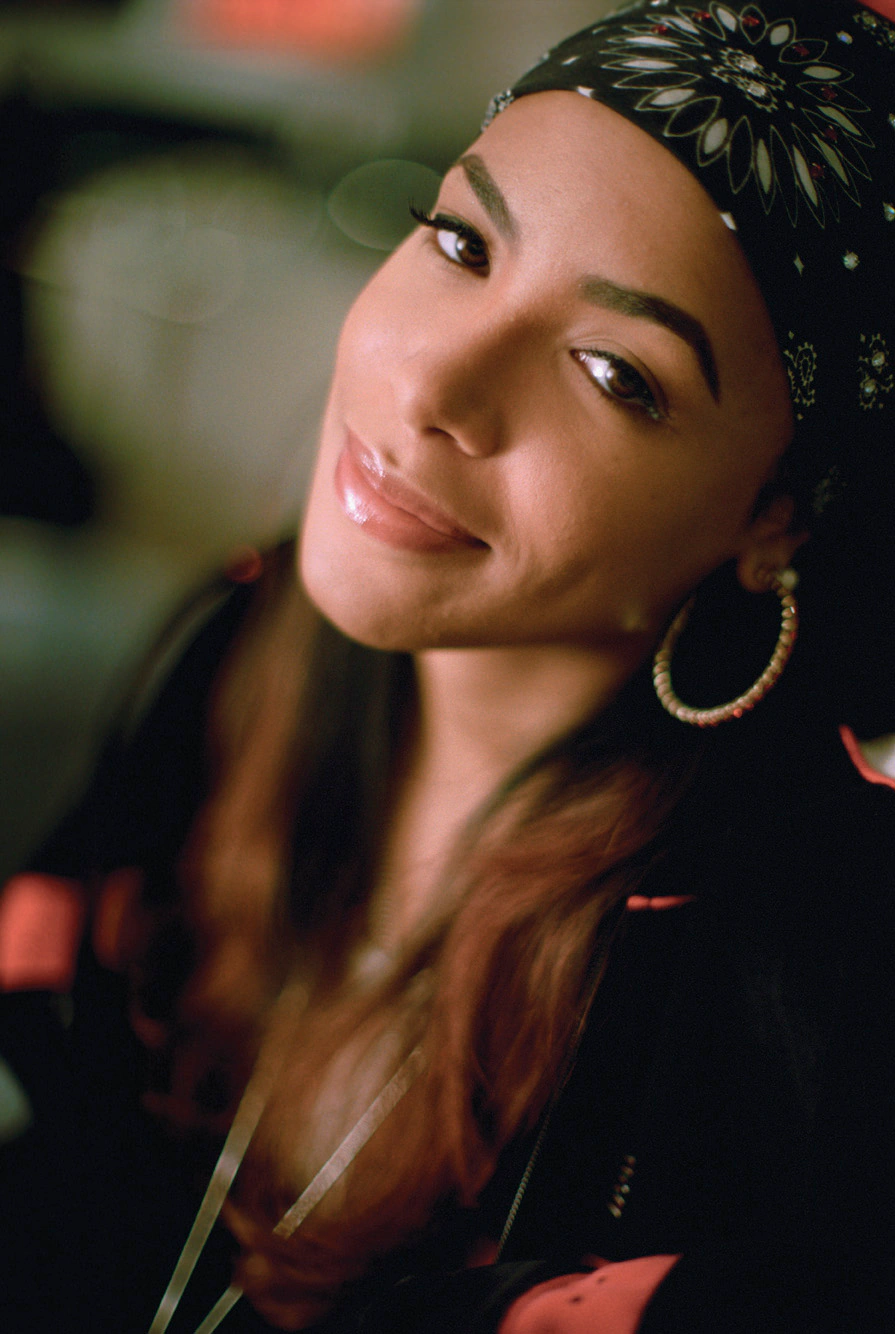
Attr: mika-photography.com, CC BY-SA 3.0
| 28 Quotes | |
| Born as | Aaliyah Dana Haughton |
| Occup. | Musician |
| From | USA |
| Born | January 16, 1979 Brooklyn, New York, U.S. |
| Died | August 25, 2001 Marsh Harbour, Abaco Islands, Bahamas |
| Cause | Plane crash |
| Aged | 22 years |
| Cite | |
Citation Formats
APA Style (7th ed.)
Aaliyah biography, facts and quotes. (2026, February 11). FixQuotes. https://fixquotes.com/artists/aaliyah/
Chicago Style
"Aaliyah biography, facts and quotes." FixQuotes. February 11, 2026. https://fixquotes.com/artists/aaliyah/.
MLA Style (9th ed.)
"Aaliyah biography, facts and quotes." FixQuotes, 11 Feb. 2026, https://fixquotes.com/artists/aaliyah/. Accessed 5 Mar. 2026.
Early Life and Background
Aaliyah Dana Haughton was born January 16, 1979, in Brooklyn, New York, and raised primarily in Detroit, Michigan, after her family relocated when she was young. The move placed her in a city with deep gospel, soul, and R&B traditions, and she grew up in a household where music was not a hobby but a language - her mother Diane managed her early career, and her uncle Barry Hankerson, an industry veteran, would later become a key architect of her professional path.Family and church life shaped her discipline and composure. As a child she sang at weddings and community events, absorbing the expectation that a vocalist must communicate feeling without oversharing the self. That balance - intimate tone, guarded interior - became part of her public mystique: she appeared calm, careful, and unusually self-possessed for a teenager entering a business that rewards spectacle.
Education and Formative Influences
In Detroit she attended performing-arts programs and competed in local showcases, building stagecraft alongside studio skills. Her early breakthrough came through national exposure on "Star Search" and later performances with Gladys Knight, which helped normalize professional standards - rehearsals, band cues, pacing - before she was old enough to drive. She listened broadly, drawing from New Jack Swing, hip-hop, and the smoother Detroit R&B she heard at home, and she learned how image, choreography, and sound could function as a single statement.Career, Major Works, and Turning Points
Aaliyah signed to Jive Records and debuted with "Age Ain't Nothing but a Number" (1994), propelled by hits like "Back & Forth" and "At Your Best (You Are Love)". The album made her a star while her association with producer R. Kelly, including an illegal marriage later annulled, cast a shadow that forced an early reckoning with privacy, power, and control in pop. She reset her artistic identity with "One in a Million" (1996), teaming with Timbaland and Missy Elliott to pioneer a crisp, syncopated futurism that rewired late-1990s R&B and influenced pop globally. By the time of her self-titled third album "Aaliyah" (2001) - featuring "Try Again", "We Need a Resolution", and "Rock the Boat" - she had refined a quieter, more adult sensuality and expanded into film, starring in "Romeo Must Die" (2000) and "Queen of the Damned" (released 2002). She died on August 25, 2001, in a plane crash in the Bahamas after filming the "Rock the Boat" video, a sudden end that froze her at 22 while her work continued to grow in stature.Philosophy, Style, and Themes
Aaliyah's central aesthetic was paradox: cool surface, emotional undercurrent. Her voice was light but assured, often mixed to feel close-miked and conversational, which suited songs built on negative space - Timbaland's stuttering drums, off-kilter synths, and silence as rhythm. That minimalism was psychological as much as sonic: she projected control, choosing suggestion over confession, and she guarded the line between performer and person. “There are certain things I want to keep to me. I don't discuss my private life”. The restraint was not emptiness; it was a method of self-preservation in an era that increasingly commodified young women's vulnerability.Her themes tracked the real pressures of celebrity and adolescence without turning them into melodrama. She could sound tender yet unflinching, interested in love but wary of its costs, and she was frank about the solitude required to stay intact: “There are times in my life when I just want to be by myself”. Even her sensuality was framed as agency rather than invitation, a choice to be seen on her own terms: “I see myself as sexy. If you are comfortable with it, it can be very classy and appealing”. Across ballads and club records alike, the emotional arc often moved from curiosity to boundaries - desire filtered through self-respect, experimentation tempered by poise.
Legacy and Influence
Aaliyah helped define the sound and silhouette of turn-of-the-millennium pop-R&B: the whispery lead vocal, the dancer's physical economy, the fusion of streetwear and high fashion, the futuristic beat that left room for intimacy. Her collaborations with Timbaland and Missy Elliott became a template for rhythmic innovation, later echoed by artists from Beyonce to Rihanna, Drake to The Weeknd, and by countless producers building sparse, percussive R&B. The tragedy of her death intensified public longing, but her real endurance lies in craft - a modern, understated star language that proved you could be quiet and still command the room, private and still emotionally legible, graceful and still experimental.Our collection contains 28 quotes written by Aaliyah, under the main topics: Motivational - Music - Work Ethic - Movie - Success.
Other people related to Aaliyah: Missy Elliot (Musician), Marguerite Moreau (Actress)
Source / external links