
Aaron Neville Biography Quotes 24 Report mistakes
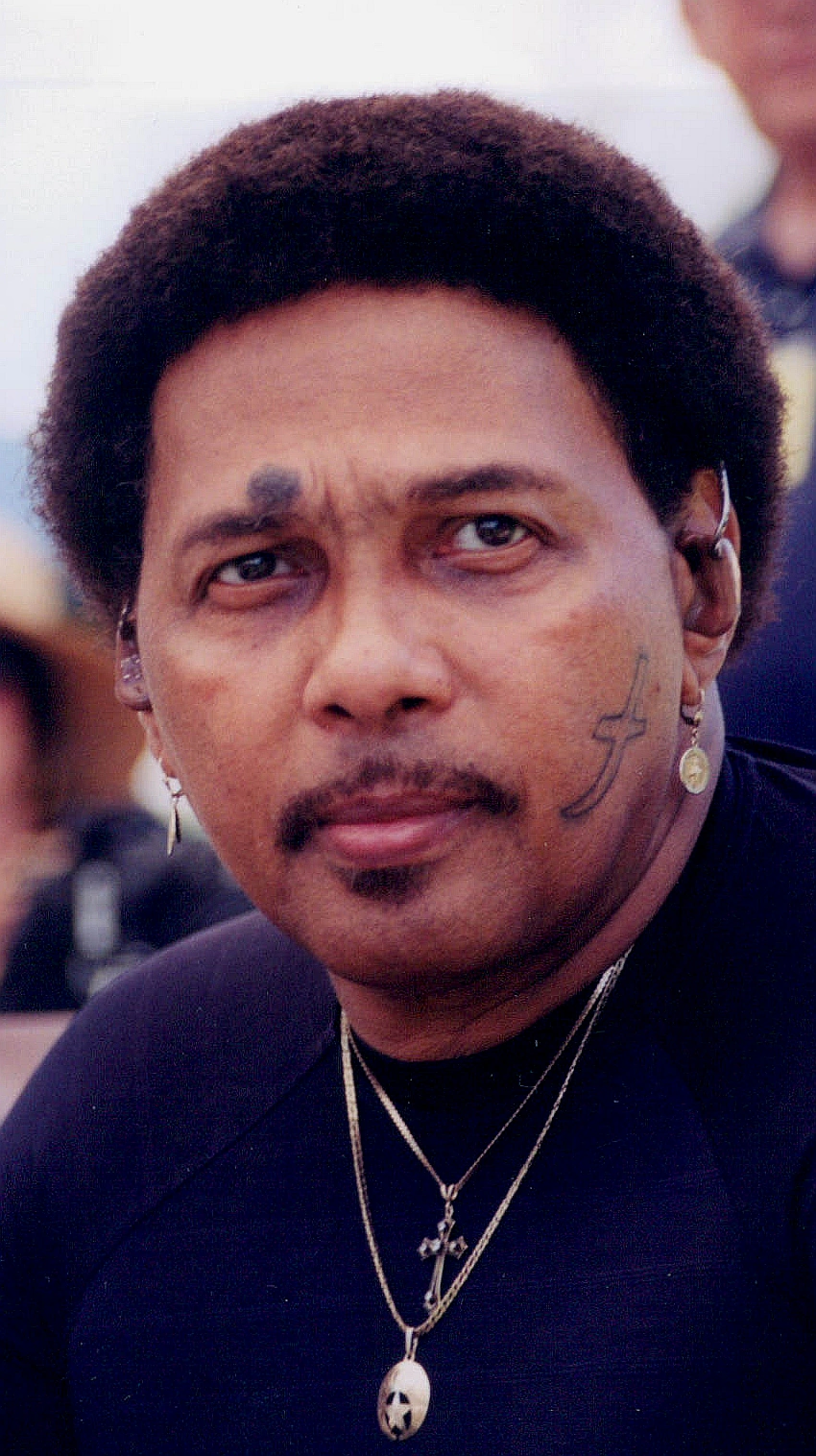
| 24 Quotes | |
| Born as | Aaron Joseph Neville |
| Occup. | Musician |
| From | USA |
| Born | January 24, 1941 New Orleans, Louisiana, USA |
| Age | 85 years |
| Cite | |
Citation Formats
APA Style (7th ed.)
Aaron neville biography, facts and quotes. (2026, February 21). FixQuotes. https://fixquotes.com/artists/aaron-neville/
Chicago Style
"Aaron Neville biography, facts and quotes." FixQuotes. February 21, 2026. https://fixquotes.com/artists/aaron-neville/.
MLA Style (9th ed.)
"Aaron Neville biography, facts and quotes." FixQuotes, 21 Feb. 2026, https://fixquotes.com/artists/aaron-neville/. Accessed 25 Mar. 2026.
Early Life and Background
Aaron Joseph Neville was born on January 24, 1941, in New Orleans, Louisiana, into a large, working-class Creole family whose soundscape was equal parts street-corner harmony, church music, and the citys porous blend of R&B and jazz. The Nevilles grew up in the 3rd Ward and later the 9th Ward, places where brass bands and doo-wop traveled as easily as news, and where a boy with a high, tremulous tenor could learn early that singing was both shelter and currency.Home life carried discipline and faith alongside the hard math of scarcity. His parents, Arthur and Amelia Neville, held the family together as their children navigated a city that offered music as a ladder but also temptation as a trap. Aaron later spoke plainly about the long arc from youthful hunger to adult gratitude, a trajectory that would shape not only his voice but also his public identity as a man who survived his own worst seasons.
Education and Formative Influences
Nevilles education was less conservatory than corner stoop - he absorbed gospel cadences, R&B phrasing, and the art of harmony by singing with his brothers Art, Charles, and Cyril, then listening hard to radio and local records. Idolizing Sam Cooke in particular, he studied how a singer could move between sacred and secular without losing sincerity, and he learned to treat vulnerability not as weakness but as a technique - breath, tremor, and restraint deployed to make a lyric feel confessional.Career, Major Works, and Turning Points
After early singles that hinted at his future, Neville broke nationally with the 1966 hit "Tell It Like It Is" on Par-Lo, a record whose pleading candor and sweet ache turned his falsetto into a signature. The 1970s and early 1980s brought uneven visibility as he worked New Orleans circuits and recordings, then a major resurgence when The Neville Brothers became a potent touring and recording force, especially after their acclaimed 1989 album "Yellow Moon" on A&M, which carried the citys funk, Caribbean swing, and social memory into the modern era. As a solo artist he crossed into mainstream adult contemporary with "Don't Know Much" (with Linda Ronstadt, 1989) and later "Everybody Plays the Fool" (1991), while continuing to return to gospel on projects such as "The Grand Tour" (1993) and "To Make Me Who I Am" (1997), keeping his career balanced between pop visibility and devotional purpose.Philosophy, Style, and Themes
Nevilles inner life is best heard in his tone: a voice that trembles not from fragility but from concentration, as if he is holding emotion at the edge of speech. He often framed his daily discipline in explicitly spiritual terms, and the humility is not performative - it is the psychology of a man who sees talent as stewardship rather than possession. “Every morning I wake up and thank God”. That gratitude becomes an artistic method: sing as prayer, make tenderness a form of strength, and let the listener hear the cost of joy.His themes - love as surrender, devotion as rescue, time as a teacher - run through both romantic ballads and hymns. He resisted the myth of the singer as auteur, favoring service to the song and the moment: “I just sing. You have to use it”. Even his musical heroes were chosen for their breadth rather than their mystique, a clue to his own lifelong genre fluidity: “I always loved Sam Cooke, because he seemed very versatile. He sang gospel, soul, blues, pop music”. That versatility, anchored in New Orleans groove and church-bred phrasing, allowed Neville to move from R&B confessionals to pop duets to sacred repertoire without breaking character - because the character was sincerity itself.
Legacy and Influence
Aaron Neville endures as one of the defining American voices of postwar soul - a singer whose falsetto expanded the emotional vocabulary of R&B while carrying New Orleans into global ears through both solo hits and the collective power of The Neville Brothers. His influence is audible in later soul, quiet-storm, and Americana vocalists who prize tremor, softness, and plainspoken conviction over vocal acrobatics, and his career stands as a case study in longevity: a man shaped by neighborhood harmony and church faith who translated survival into gentleness, and made gentleness sound like authority.Our collection contains 24 quotes written by Aaron, under the main topics: Justice - Music - Friendship - Poetry - Faith.
Other people related to Aaron: Peter Asher (Musician)
Source / external links