
Al Hirt Biography Quotes 3 Report mistakes
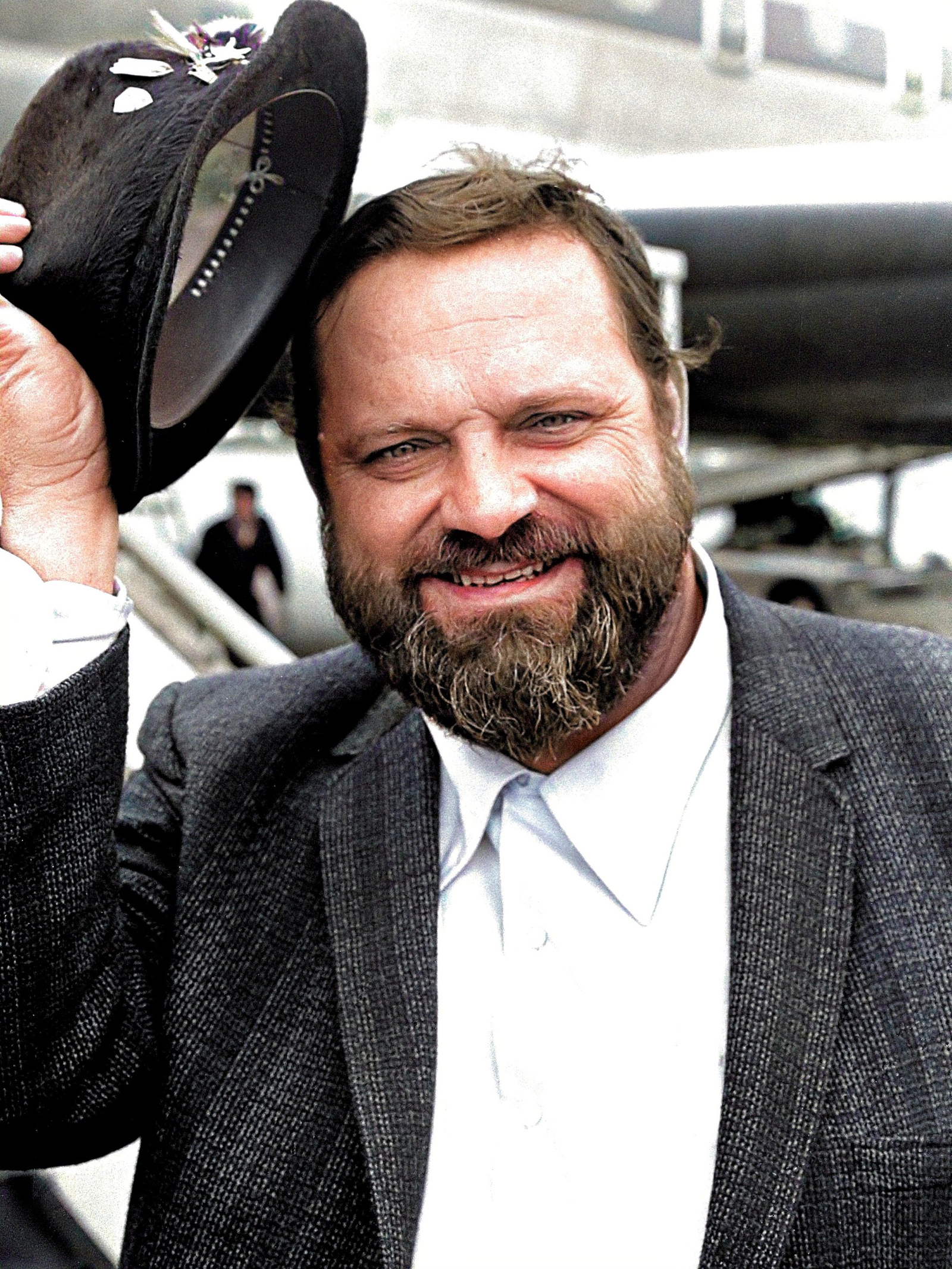
Attr: Ron Kroon, CC BY-SA 3.0
| 3 Quotes | |
| Born as | Alois Maxwell Hirt |
| Occup. | Musician |
| From | USA |
| Born | November 7, 1922 New Orleans, Louisiana, USA |
| Died | April 27, 1999 New Orleans, Louisiana, USA |
| Cause | Liver cancer |
| Aged | 76 years |
| Cite | |
Citation Formats
APA Style (7th ed.)
Al hirt biography, facts and quotes. (2026, February 11). FixQuotes. https://fixquotes.com/artists/al-hirt/
Chicago Style
"Al Hirt biography, facts and quotes." FixQuotes. February 11, 2026. https://fixquotes.com/artists/al-hirt/.
MLA Style (9th ed.)
"Al Hirt biography, facts and quotes." FixQuotes, 11 Feb. 2026, https://fixquotes.com/artists/al-hirt/. Accessed 28 Mar. 2026.
Early Life and Background
Alois Maxwell Hirt was born on November 7, 1922, in New Orleans, Louisiana, a city where brass bands, riverboat music, and neighborhood parades made the trumpet less an instrument than a local dialect. He grew up during the long shadow of the Great Depression, when music offered both civic pride and practical escape, and when New Orleans musicians learned early that versatility meant survival - jazz at night, dance-band charts the next, and church or parade work whenever it paid.Hirt was a prodigy in a tradition that prized sound over sermonizing: a big, clean tone, quick articulation, and an entertainer's instinct for the hook. The citys mixed musical economy shaped his temperament - competitive, convivial, and oriented toward audiences rather than cliques. That grounding in a working musicians culture would later help him move between Dixieland lineage and mid-century pop without apology, selling virtuosity as pleasure.
Education and Formative Influences
He studied trumpet locally and came up in the orbit of the New Orleans clarinet-and-trumpet continuum that ran from early jazz through swing, absorbing Louis Armstrongs model of charismatic phrasing and the cities emphasis on rhythmic lift. Like many of his generation, World War II years intersected with early professional development; the wartime and immediate postwar era expanded opportunities for dance orchestras and radio work, reinforcing the discipline of reading charts, hitting cues, and projecting a bright, reliable sound night after night.Career, Major Works, and Turning Points
By the 1950s Hirt was a seasoned professional, and in the early 1960s he broke nationally as a virtuoso-pop trumpet star, recording for RCA and turning technical command into radio-friendly instrumentals. His signature hit "Java" (1964) became an emblem of the space-age lounge era - brassy, buoyant, and instantly recognizable - and it helped define the market for instrumental pop at a time when rock and soul were reshaping the charts. Hirt placed multiple albums, performed widely on television, and became a fixture of Las Vegas and touring circuits; later he returned to New Orleans as a club owner and hometown celebrity, aligning his brand with the citys tourist economy and its self-mythology of perpetual music.Philosophy, Style, and Themes
Hirt presented himself less as an auteur than as a consummate professional who could make almost any material swing, sparkle, or sing. That self-description - “A little bit of this, a little bit of that. I never had any specific style”. - was not false modesty so much as a working creed. In a mid-century music industry built on singles, TV spots, and quick-turn studio sessions, stylistic flexibility was power: he could borrow Latin shadings, Dixieland flourishes, or big-band punch, then center it all on a trumpet tone engineered for microphones and living rooms.His inner life, glimpsed through his public persona, prized stamina, sociability, and a kind of gleaming good humor. The cigar became both prop and philosophy - “I always smoked cigars. I've smoked cigars with everybody in show business”. - signaling that he understood entertainment as a networked craft, a world of handshakes, bandstands, and the quiet diplomacy of being easy to hire. Yet he also revered total commitment in performance, admiring the dangerous edge of musicians who spent themselves in sound: “When Buddy played, he played all out, all the time. It was a wonder he didn't keel over and die before he did”. That line, aimed at Buddy Rich, doubles as self-portrait. Hirts music often sounded effortless, but it was driven by the same ethic - full projection, no half-energy - translated into a sunnier, more accessible register.
Legacy and Influence
Al Hirt died on April 27, 1999, in New Orleans, leaving behind a model of American instrumental stardom that bridged jazz lineage and pop commerce without severing either. He helped keep the trumpet a mainstream lead voice in the 1960s, expanded the audience for polished, melody-forward instrumentals, and offered a template for the virtuoso as entertainer - technically formidable, stylistically omnivorous, and proudly public-facing. In New Orleans memory he remains both ambassador and artifact: a musician who carried the citys brass identity into mass media, then circled back to make his hometown part of the show.Our collection contains 3 quotes written by Al, under the main topics: Music.
Source / external links