
Al Jardine Biography Quotes 3 Report mistakes
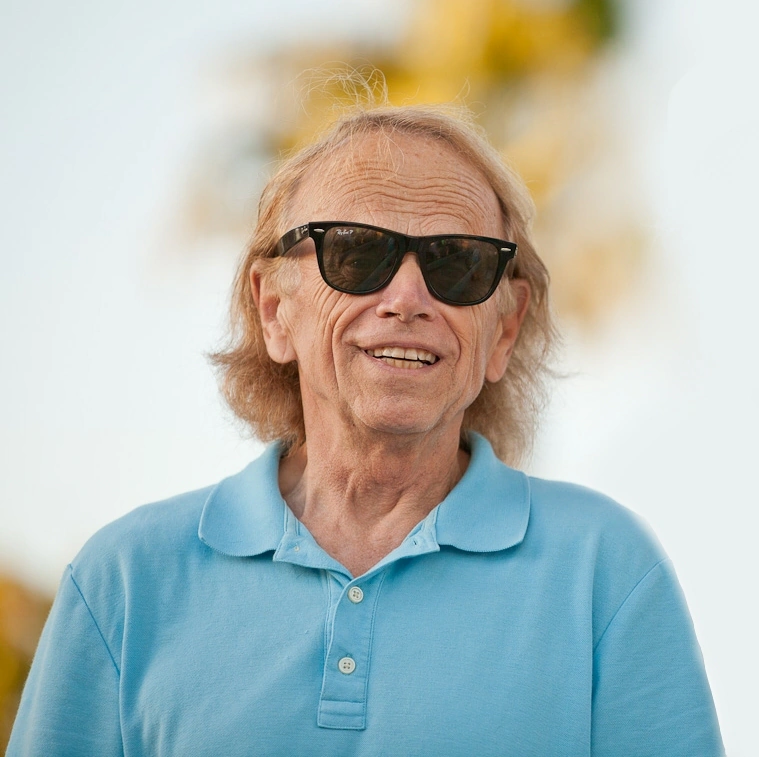
| 3 Quotes | |
| Born as | Alan Charles Jardine |
| Occup. | Musician |
| From | USA |
| Born | September 3, 1942 Lima, Ohio, U.S. |
| Age | 83 years |
| Cite | |
Citation Formats
APA Style (7th ed.)
Al jardine biography, facts and quotes. (2026, February 11). FixQuotes. https://fixquotes.com/artists/al-jardine/
Chicago Style
"Al Jardine biography, facts and quotes." FixQuotes. February 11, 2026. https://fixquotes.com/artists/al-jardine/.
MLA Style (9th ed.)
"Al Jardine biography, facts and quotes." FixQuotes, 11 Feb. 2026, https://fixquotes.com/artists/al-jardine/. Accessed 28 Mar. 2026.
Early Life and Background
Alan Charles Jardine was born on September 3, 1942, in Lima, Ohio, into a postwar America where radios and 45s carried the new youth culture across suburbs and small towns alike. His family soon moved west, and Southern California became the landscape that would define both his sound and his social imagination - sunlit roads, beach towns, and the particular mix of aspiration and unease that shaped the early 1960s.In Hawthorne and later the Los Angeles area, Jardine grew up close to the Wilson brothers orbit, in a community where cars, school dances, and vocal groups were daily currency. He played clarinet before settling on guitar and banjo, and he developed an instinct for arrangement rather than virtuoso display - a preference for structure, blend, and the way voices can lock together to form a single emotional instrument. That temperament, steady and craftsmanlike, would later make him both an anchor inside a volatile band and, at times, a man underestimated for not needing the spotlight.
Education and Formative Influences
Jardine attended El Camino College and later enrolled at California State University, Long Beach, studying with the practical horizon of a working musician in mind while absorbing folk revival currents and the vocal-group tradition that ran from the Four Freshmen to doo-wop. Early on he connected with Brian Wilson and Mike Love, helping form what became the Beach Boys; even when he briefly stepped away before the first wave crested, the pull of the project - and the unusual seriousness behind its apparently carefree subject matter - drew him back into a group whose ambitions quickly outgrew surf reportage.Career, Major Works, and Turning Points
As a founding Beach Boy, Jardine became a key harmonic voice and a reliable musical organizer during the band�s rise from local singles to international fame, contributing guitar, arrangements, and lead vocals that broadened their palette. He sang lead memorably on "Help Me, Rhonda" (as the hit version solidified in 1965), later steered the band toward rootsier textures with his affection for folk instrumentation, and in the 1970s emerged as a distinctive lead on "Sloop John B" and especially "Cottonfields", his adaptation of the Lead Belly song that became a major international success. Through Brian Wilson�s retreat from touring, the group�s shifting leadership, and decades of reunions and internal fractures, Jardine persisted as a continuity figure - part diplomat, part bandmate, part believer - while also releasing solo work and touring configurations that kept the Beach Boys vocal architecture alive.Philosophy, Style, and Themes
Jardine�s art begins with the ear, not the ego. He is less the mythic auteur than the builder of soundscapes in which individual personalities dissolve into a shared timbre. “I like to be surrounded by harmonies and fullness and richness and vitality”. That line captures a psychological preference as much as an aesthetic one: in a band famous for internal strain, he repeatedly gravitated toward collective beauty as a stabilizing refuge, treating harmony as a moral order - something you tune to, maintain, and return to when the room gets loud.His songwriting and curatorial choices also reveal patience bordering on stubbornness, the long-view temperament of someone who trusts craft over speed. “It took me 29 years to finish that song. That's a typical Jardine move”. The joke lands because it is true: Jardine often worked like a conservator preserving a tradition - folk songs, vocal arrangements, even the Beach Boys brand itself - while time and commerce tried to hurry everything along. That same steadiness sometimes expanded into civic anger, as when he framed California�s 2003 recall election in stark, almost incredulous terms: “It's a coup by the GOP to grab the governorship to California to make this place a safe haven for George W. Bush in 2004. It's incredible when you think about it. The recall cost the state $100 million”. It is a glimpse of a musician who never entirely accepted the role of benign nostalgia act; beneath the warm chords lived a citizen wary of manipulation and protective of the place that made his music possible.
Legacy and Influence
Jardine�s enduring influence is inseparable from the Beach Boys legacy but distinct within it: he represents the artisanal dimension of American pop, the member who kept the machinery of harmony functioning across eras of genius, burnout, litigation, and reinvention. His leads on roots-leaning material, his advocacy for acoustic colors, and his unwavering commitment to the group sound helped broaden what "California music" could signify - not just surfing and romance, but tradition, community, and the ache that can hide inside brightness. In an art form that often rewards loud authorship, Jardine�s biography argues for another kind of greatness: the long-haul harmonist who makes other voices better, and who measures success by whether the chord resolves.Our collection contains 3 quotes written by Al, under the main topics: Justice - Music.
Other people related to Al: Carl Wilson (Musician)
Source / external links