
Alan Vega Biography Quotes 25 Report mistakes
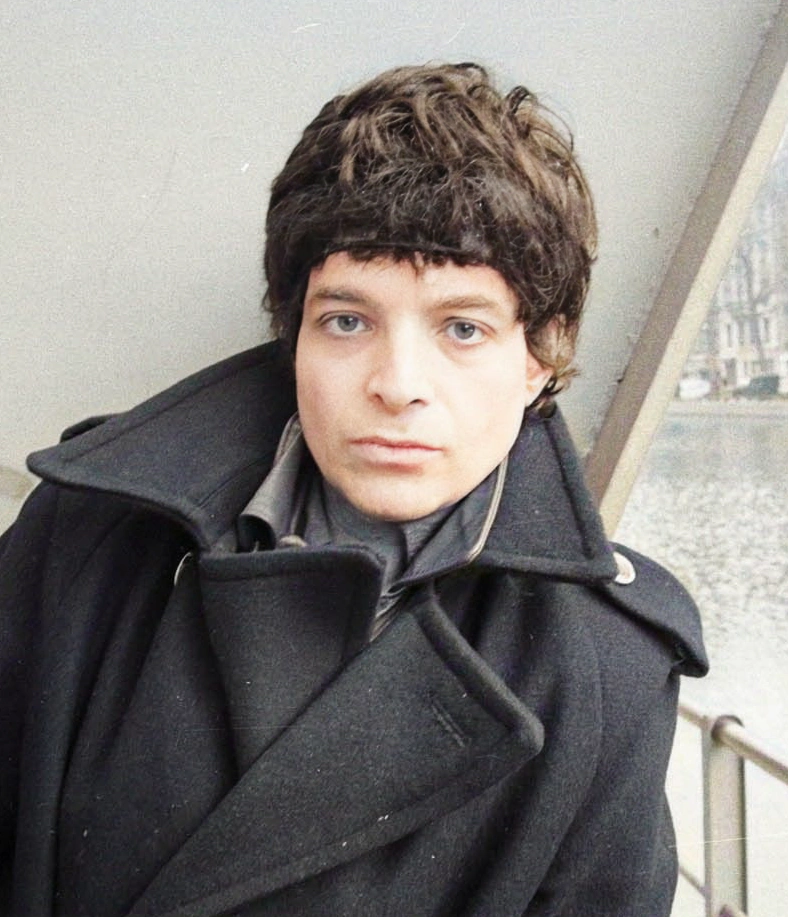
| 25 Quotes | |
| Born as | Boruch Alan Bermowitz |
| Occup. | Musician |
| From | USA |
| Born | June 23, 1938 Brooklyn, New York, USA |
| Died | July 16, 2016 New York City, New York, USA |
| Aged | 78 years |
| Cite | |
Citation Formats
APA Style (7th ed.)
Alan vega biography, facts and quotes. (2026, February 11). FixQuotes. https://fixquotes.com/artists/alan-vega/
Chicago Style
"Alan Vega biography, facts and quotes." FixQuotes. February 11, 2026. https://fixquotes.com/artists/alan-vega/.
MLA Style (9th ed.)
"Alan Vega biography, facts and quotes." FixQuotes, 11 Feb. 2026, https://fixquotes.com/artists/alan-vega/. Accessed 12 Feb. 2026.
Early Life and Visual Art
Alan Vega, born Boruch Alan Bermowitz in Brooklyn in 1938, grew up in a working-class, Jewish family and first made his mark not as a musician but as a visual artist. Drawn to sculpture, he developed a distinctive practice using light, neon, and discarded electronic parts, transforming urban detritus into glowing, rough-edged installations. By the late 1960s, Vega was active in New Yorks downtown art scene and helped found an artists-run space, Museum: A Project of Living Artists, which offered a platform for experimental work outside the commercial gallery system. His studio practice and his fascination with light, electricity, and the harsh beauty of the city shaped an aesthetic he would later carry onto the stage.From Art to Music
A pivotal moment came when he witnessed Iggy Pop and the Stooges. The raw theater of that performance convinced him that music could be an arena for the kind of physical risk, confrontation, and immediacy he sought in art. He shifted toward performance, initially under the name Alan Suicide, and began to reimagine the possibilities of a band as a form of live art.Suicide
In 1970 Vega formed Suicide with keyboardist Martin Rev. Their set-up was radical in its simplicity: Rev on organ and primitive electronics, a cheap drum machine, and Vega on vocals. The duo embraced a confrontational stage presence and a minimal, relentless sound that relied on repetition, atmosphere, and Vega's haunted, rockabilly-tinged croon. They became fixtures at New York venues such as CBGB and Maxs Kansas City, earning a reputation for shows that could be as unsettling as they were hypnotic.Suicides self-titled debut album arrived in 1977 on Marty Thaus Red Star Records, with production contributions from Thau and Craig Leon. Its stark tracks, including Ghost Rider and Frankie Teardrop, laid early groundwork for synth-punk, industrial, and electronic pop. European tours exposed them to larger audiences, and opening slots for prominent punk acts sometimes led to volatile confrontations with hostile crowds, an intensity that only fed the groups legend. A second album followed in 1980, with Ric Ocasek championing and producing sessions around this period; the single Dream Baby Dream, associated with Ocasek's guidance, became one of the duo's most enduring pieces.
Solo Work and Collaborations
Parallel to Suicide, Vega launched a prolific solo career. His 1980 solo debut introduced a more explicit rockabilly pulse threaded through drum machines and neon-lit noir. Jukebox Babe gave him notable visibility in Europe, and albums like Collision Drive and Saturn Strip continued to refine his fusion of pop hooks, menace, and urban romanticism, with Ocasek again serving as a key supporter and collaborator. Vega also proved an agile collaborator beyond Suicide: he joined Alex Chilton and Ben Vaughn for the late-night improvisational sessions that surfaced as Cubist Blues, and he worked with adventurous electronic artists in later years, extending his vocabulary without abandoning his core minimalism.Artistic Approach and Influence
Vega approached performance as an art action. He blurred lines between gallery and stage, using voice, lighting, and presence the way he used neon and wire in sculpture. His lyrics evoked American iconography and city life with a mix of tenderness and threat; his delivery channeled early rock and roll through a dystopian lens. The power of that reductionist aesthetic influenced generations of musicians across punk, post-punk, synth-pop, industrial, and beyond. Bruce Springsteen's sustained embrace of Dream Baby Dream, performed live for years and recorded in the studio, testified to the songs broad emotional reach and to Vegas impact far outside the underground. Musicians and producers such as Martin Rev, Marty Thau, Craig Leon, and Ric Ocasek were crucial allies in bringing his ideas to audiences.Later Years and Legacy
Vega continued to record, exhibit, and perform into his 70s, often working closely with Liz Lamere, who became a central creative and personal partner. Together they shaped late-period albums that retained the grit and intimacy that defined his earliest work while introducing new textures. Even as health challenges emerged, he pursued projects with a stubborn, streetwise focus.Alan Vega died in 2016 at the age of 78. In the aftermath, tributes poured in from artists who had absorbed his example, and posthumous releases curated from his archive, guided by Lamere and close collaborators, revealed a trove of material that underscored his restless invention. His legacy rests on a singular achievement: reducing rock and roll to an electrical pulse and a human voice, then rebuilding it as confrontational art. Through Suicide and through his own name, he proved how much feeling, danger, and grace could survive in the bare minimum of means, and he left a blueprint that continues to guide outsiders and innovators.
Our collection contains 25 quotes written by Alan, under the main topics: Art - Dark Humor - Music - Work Ethic - Mental Health.
Frequently Asked Questions
- Alan Vega ice drummer: 'Ice Drummer' is a track from Alan Vega's 1996 album 'Bullet Hell.'
- Alan Vega mutator: 'Mutator' is a posthumous album by Alan Vega, released in 2021.
- Alan Vega discogs: Alan Vega's Discogs profile lists his discography, including solo albums and works with Suicide.
- What was Alan Vega ethnicity? Alan Vega was of Puerto Rican and Galician descent.
- Who was Alan Vega wife? Alan Vega's wife was Liz Lamere.
- Alan Vega elvis: Alan Vega was often called the 'punk Elvis' due to his Elvis Presley-like stage presence.
- What was Alan Vega cause of death? Sleep apnea and pulmonary edema.
- How old was Alan Vega? He became 78 years old
Source / external links