
Alice Cooper Biography Quotes 30 Report mistakes
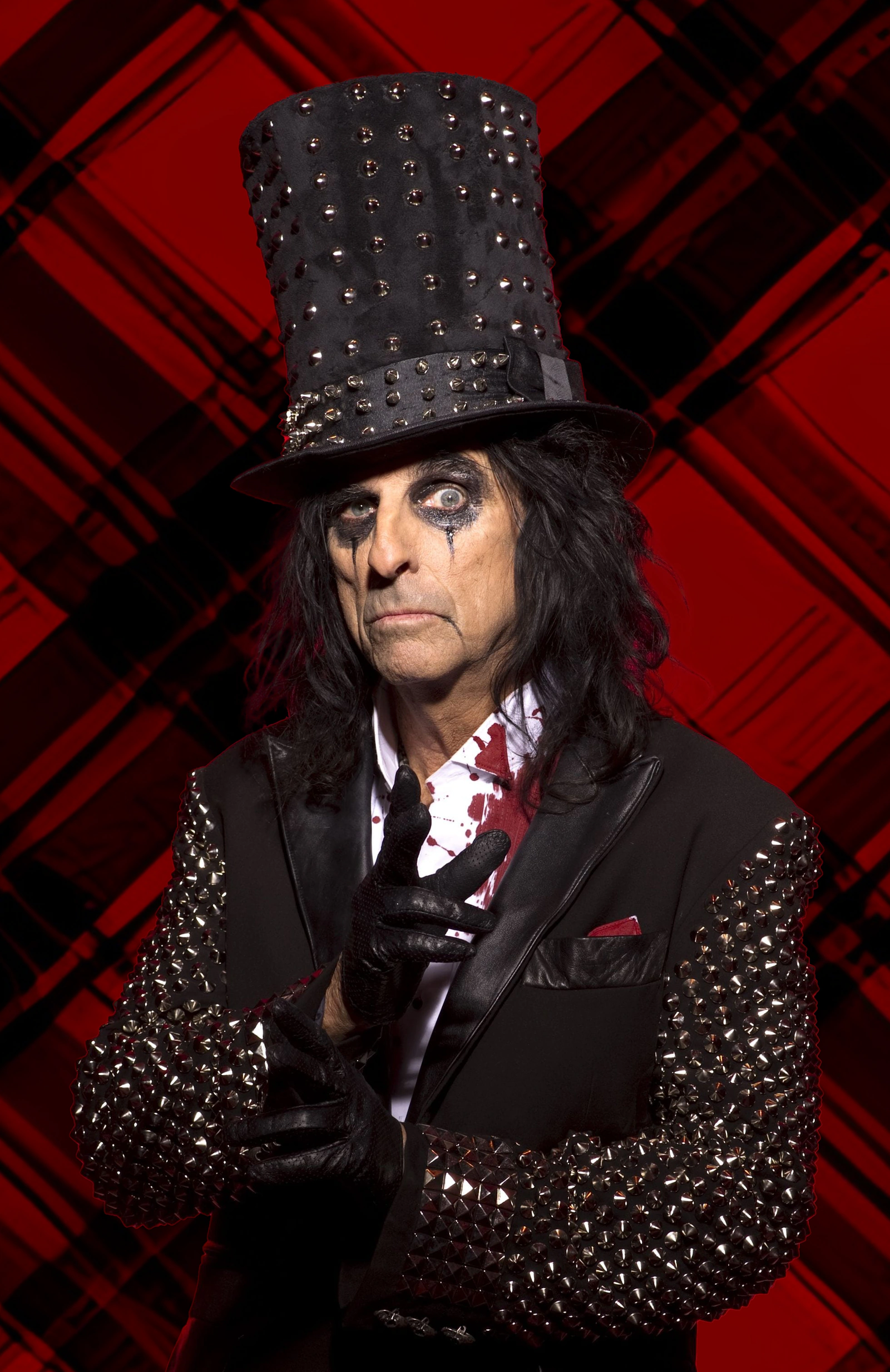
| 30 Quotes | |
| Born as | Vincent Damon Furnier |
| Occup. | Musician |
| From | USA |
| Spouse | Sheryl Goddard (1976) |
| Born | February 4, 1948 Detroit, Michigan, USA |
| Age | 78 years |
| Cite | |
Citation Formats
APA Style (7th ed.)
Alice cooper biography, facts and quotes. (2026, February 11). FixQuotes. https://fixquotes.com/artists/alice-cooper/
Chicago Style
"Alice Cooper biography, facts and quotes." FixQuotes. February 11, 2026. https://fixquotes.com/artists/alice-cooper/.
MLA Style (9th ed.)
"Alice Cooper biography, facts and quotes." FixQuotes, 11 Feb. 2026, https://fixquotes.com/artists/alice-cooper/. Accessed 12 Feb. 2026.
Early Life and Origins
Vincent Damon Furnier, known worldwide as Alice Cooper, was born on February 4, 1948, in Detroit, Michigan. Raised in a religious household where his father was an evangelist, he spent much of his youth in Phoenix, Arizona. A childhood steeped in church attendance and close-knit community values made his later persona as rock's master of the macabre all the more striking. As a teenager he gravitated toward art, humor, and performance, and soon discovered that rock and roll could be an outlet for theatrical imagination as well as music.Forming a Band and Finding a Name
With friends from school, including guitarist Glen Buxton and bassist Dennis Dunaway, Furnier formed a band that began by parodying British Invasion acts before turning serious. Rhythm guitarist Michael Bruce and drummer Neal Smith rounded out the classic lineup. They first called themselves the Spiders, later the Nazz, and finally adopted the name Alice Cooper, a moniker that contrasted innocent imagery with their increasingly aggressive sound. Under the guidance of a young manager, Shep Gordon, the group moved from Phoenix to Los Angeles and caught the ear of Frank Zappa, who signed them to his Straight Records imprint. Early albums like Pretties for You (1969) and Easy Action (1970) were experimental and polarizing, but the band's outrageous stagecraft, already incorporating makeup, skits, and dark humor, began to draw attention.Breakthrough and the Birth of Shock Rock
Relocating to the Midwest, the band embraced the hard-driving Detroit scene and connected with producer Bob Ezrin. Together they crafted Love It to Death (1971), whose hit I'm Eighteen captured teenage alienation with anthemic directness. Killer (1971) followed, and School's Out (1972) exploded into pop culture with its immortal title track. Billion Dollar Babies (1973) crowned their ascent, topping charts in the United States and the United Kingdom. Onstage, Alice Cooper, now the persona embodied by Furnier, became a ringmaster of transgression: guillotines, gallows, boa constrictors, fake blood, and mock executions framed taut, hook-laden hard rock. The magician and skeptic James Randi helped design illusions for the spectacle, ensuring theater and technique matched the shock. The original band's chemistry, Buxton's biting leads, Bruce's songcraft, Dunaway's adventurous bass lines, and Smith's precise power, was integral to the sound.From Band to Solo Identity
By 1974 the relentless pace and internal tensions took their toll. While his bandmates pursued separate projects, Furnier took Alice Cooper solo, effectively transforming the character into his own professional identity. Working again with Bob Ezrin and virtuoso guitarists Dick Wagner and Steve Hunter, he released Welcome to My Nightmare (1975). The album and tour presented a narrative stage show fusing Broadway flair with horror tropes; a television special featured the legendary Vincent Price. Songs like Only Women Bleed showed a new melodic sensitivity and broadened his audience. From this point forward, "Alice Cooper" referred primarily to the solo artist, even as he honored the band's legacy.Struggles, Reflection, and Recovery
The late 1970s illuminated the costs of fame. Alcohol dependence undermined health and work, and the album From the Inside (1978), co-written with lyricist Bernie Taupin, was a candid portrait of treatment and self-examination. It remains a key document in his catalog for its narrative honesty. After a difficult early-1980s run, Flush the Fashion (1980), Special Forces (1981), Zipper Catches Skin (1982), and DaDa (1983), he committed to sobriety, a turning point that reshaped his life and career. He has often credited the steady presence of manager Shep Gordon and the support of his wife, dancer and choreographer Sheryl Goddard, with helping him sustain long-term recovery and stability.Comeback and Commercial Resurgence
Reenergized, he returned with Constrictor (1986) and Raise Your Fist and Yell (1987), introducing a heavier, cinematic metal sound onstage and in the studio. His late-1980s renaissance peaked with Trash (1989), produced by hitmaker Desmond Child. The album delivered Poison, a global single that brought him back to the top of the charts and into a new MTV era. Hey Stoopid (1991) sustained the momentum with high-profile guests, and The Last Temptation (1994) paired concept-album ambition with a graphic-novel collaboration, signaling his readiness to experiment across media.Beyond Music: Media, Movies, and Radio
Alice Cooper became a pop-culture figure beyond rock. His deadpan cameo in Wayne's World (1992) endeared him to a new generation, and he appeared in films such as Prince of Darkness (1987) and later as himself in Dark Shadows (2012). Starting in the mid-2000s, he launched the syndicated radio program Nights with Alice Cooper, blending deep-cut rock history with wry storytelling. The show's conversational tone, drawing on friendships and encounters from decades on the road, reinforced his status as a living archive of rock lore.Continuity, Craft, and Late-Career Albums
Across the 2000s and 2010s he released a string of albums that balanced concept and craft: Brutal Planet (2000), Dragontown (2001), The Eyes of Alice Cooper (2003), Dirty Diamonds (2005), Along Came a Spider (2008), and Welcome 2 My Nightmare (2011), the latter reuniting him with Bob Ezrin and featuring contributions from original bandmates. Paranormal (2017) and Detroit Stories (2021) revisited roots while celebrating the city that sharpened his sound. Road (2023) showcased his touring band's chemistry. Throughout, Ezrin remained a pivotal collaborator, a creative partner across generations of Alice's work.The Hollywood Vampires and Notable Friendships
In the 1970s, the "Hollywood Vampires" were a loose drinking circle at the Rainbow Bar & Grill that included friends like Keith Moon, Ringo Starr, and Harry Nilsson. Decades later he revived the name as a supergroup with Johnny Depp and Joe Perry, paying tribute to rock forebears and collaborators. Their albums and tours underlined his gift for curation and camaraderie, honoring tradition while keeping performance vibrant. Along the way, he continued to acknowledge key figures in his story: the late Glen Buxton, whose passing in 1997 marked the end of an era; guitarists Dick Wagner and Steve Hunter, whose interplay powered his mid-1970s triumphs; and producer-partners like Desmond Child, who helped shape his commercial revival.Personal Life, Beliefs, and Community Work
Away from the stage's guillotines and serpents, he built a grounded life in Arizona with Sheryl Goddard, whom he married in 1976. They raised a family, and their daughter Calico Cooper has often performed with him on tour. A committed golfer, he has spoken about the sport as a healthy obsession that helped replace destructive habits. His faith, he has long identified as Christian, quietly informs his outreach. With Sheryl, he founded the Solid Rock organization to support teens through music, dance, and arts programs in Phoenix, hosting the annual Christmas Pudding benefit to fund its mission.Honors and the Enduring Band Legacy
In 2011 the original Alice Cooper band was inducted into the Rock and Roll Hall of Fame, a recognition that underscored how the early group's compositions and chemistry powered the phenomenon. Michael Bruce, Dennis Dunaway, and Neal Smith have joined him for occasional reunions and recordings, a testament to bonds formed in garages and honed in theaters and arenas around the world.Influence and Cultural Impact
Alice Cooper's pioneering fusion of hard rock and immersive stagecraft opened a pathway for acts from Kiss to Marilyn Manson, Rob Zombie, and Slipknot, while his wry self-awareness kept the satire as sharp as the spectacle. He turned transgression into theater without losing sight of hooks, narrative, and showman's timing. That balance, between horror and humor, shock and song, helped him outlast trends and return, again and again, to large audiences. More than a provocateur, he is a craftsman and collaborator whose relationships with Shep Gordon, Bob Ezrin, and a constellation of players and writers shaped one of rock's most distinctive careers. From Detroit youth to rock icon, from excess to sobriety, he built a character that became his name and a legacy that continues to evolve onstage, on air, and in the lives of the young artists he mentors.Our collection contains 30 quotes written by Alice, under the main topics: Witty One-Liners - Wisdom - Art - Music - Sarcastic.
Other people related to Alice: Michael Owen Bruce (Musician), Kip Winger (Musician)
Source / external links