
Allen Toussaint Biography Quotes 2 Report mistakes
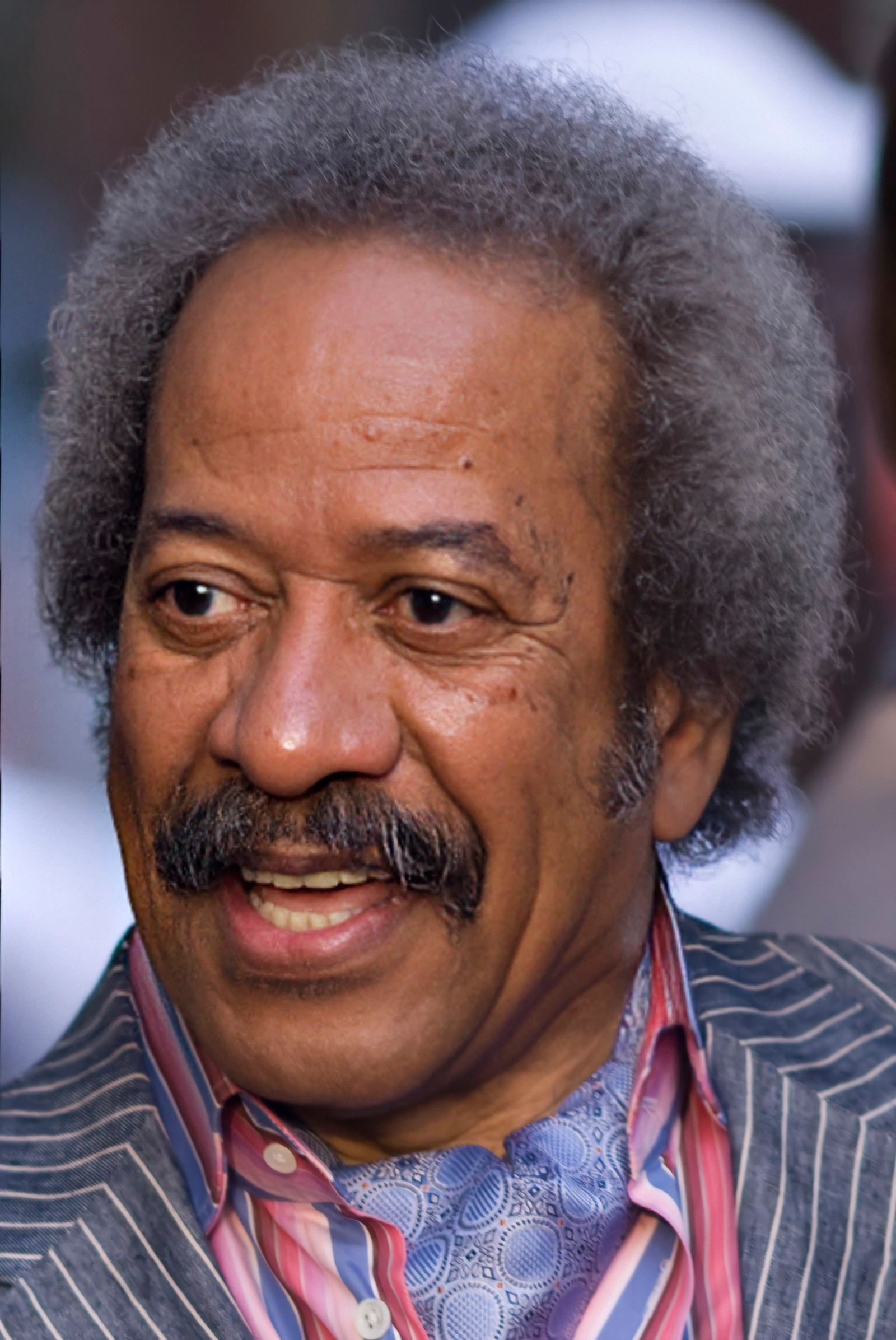
| 2 Quotes | |
| Occup. | Musician |
| From | USA |
| Born | January 14, 1938 New Orleans, Louisiana, USA |
| Died | November 10, 2015 Madrid, Spain |
| Cause | Heart Attack |
| Aged | 77 years |
| Cite | |
Citation Formats
APA Style (7th ed.)
Allen toussaint biography, facts and quotes. (2026, February 11). FixQuotes. https://fixquotes.com/artists/allen-toussaint/
Chicago Style
"Allen Toussaint biography, facts and quotes." FixQuotes. February 11, 2026. https://fixquotes.com/artists/allen-toussaint/.
MLA Style (9th ed.)
"Allen Toussaint biography, facts and quotes." FixQuotes, 11 Feb. 2026, https://fixquotes.com/artists/allen-toussaint/. Accessed 26 Mar. 2026.
Early Life
Allen Toussaint was born on January 14, 1938, in the Gert Town neighborhood of New Orleans, Louisiana, and grew up surrounded by the citys singular blend of rhythm and blues, gospel, and parade rhythms. A largely self-taught pianist, he absorbed the rolling, percussive style of Professor Longhair and refined it into a touch that was both elegant and deeply rooted in the citys street beat. As a teenager he practiced obsessively, developing the harmonic polish and rhythmic subtlety that would later distinguish his arrangements and songs. He began playing locally, quickly earning a reputation as a gifted young musician who could anchor a band, shape a studio session, and write material that felt classic on first hearing.Becoming a Songwriter and Producer
Toussaints early professional work blossomed around New Orleans studios, especially in the orbit of Cosimo Matassa, where so many R&B records of the era were cut. By the turn of the 1960s he had become an indispensable writer, arranger, and producer for local labels, crafting sides whose polish belied their humble budgets. He often used the pseudonym Naomi Neville, a nod to his mother, when placing compositions. The early 60s quickly delivered a string of records that defined New Orleans R&B for a national audience: Ernie K-Doe scored with Mother-in-Law, a wry, buoyant number Toussaint wrote and produced; Irma Thomas recorded Ruler of My Heart and Its Raining, songs whose aching restraint and melodic poise became touchstones; Benny Spellman cut Fortune Teller and Lipstick Traces (On a Cigarette); and trumpeter Al Hirt turned Toussaints Java into a high-spirited instrumental hit. Across these sessions, Toussaints arranging style emerged unmistakably: crisp rhythm-section interplay, horn lines that sounded inevitable, and piano parts that danced without crowding the groove.Lee Dorsey and the Meters
Among Toussaints most important partnerships was his long collaboration with Lee Dorsey. Together they minted sly, propulsive hits including Ride Your Pony, Get Out of My Life, Woman, and Working in the Coal Mine. The tracks balanced economy and invention, with grooves that seemed to float yet never lost their punch. In the later 1960s and early 1970s, working closely with his business partner Marshall Sehorn, Toussaint helped assemble and guide the Meters, whose classic lineup included Art Neville, Leo Nocentelli, George Porter Jr., and Joseph Zigaboo Modeliste. As a producer and mentor, he shaped their taut, syncopated sound, which crystallized New Orleans funk for a new era. The Meters also became his go-to studio band, backing many sessions and giving Toussaints productions a distinct rhythmic signature.Sea-Saint Studios and National Reach
With Sehorn, Toussaint co-founded Sea-Saint Studios in New Orleans, turning it into a creative hub that drew artists from around the world. There he produced LaBelles Nightbirds, featuring Lady Marmalade, a swaggering anthem that became an international hit. He also produced and arranged for Dr. John, notably the album In the Right Place, which yielded Right Place, Wrong Time and Such a Night with the Meters supplying their signature pulse. Toussaints reputation for horn arrangements led The Band to invite him to score the brass for their Rock of Ages concerts and later work with them again around The Last Waltz. Sea-Saint hosted sessions by Paul McCartney and Wings during the mid-1970s, further cementing Toussaints studio as a destination for artists seeking New Orleans atmosphere and precision.Solo Artist and Songwriter
Alongside his behind-the-glass achievements, Toussaint recorded a series of solo albums that revealed his voice as a singer and a wry observer of human nature. From a Whisper to a Scream, Life, Love and Faith, Southern Nights, and Motion showcased his polished songwriting, layered arrangements, and a piano style that could sparkle or smolder as the song demanded. Southern Nights, a nostalgic reverie on his Louisiana childhood, became a chart-topping pop and country hit when Glen Campbell recast it a few years later, spreading Toussaints melodic sensibility far beyond R&B circles. His catalog became a well that other artists drew from repeatedly: the Pointer Sisters revitalized Yes We Can Can; Little Feat and Bonnie Raitt interpreted On Your Way Down and What Is Success; the Rolling Stones covered Fortune Teller; and countless bands took up Get Out of My Life, Woman, whose drum break became a standard sample and a rite of passage for funk enthusiasts.Craft, Ethos, and Influence
Toussaint brought a composers rigor to the soul and R&B idiom, balancing economy with grace. He favored memorable motifs and left space for the rhythm section to converse, yet he could gild a melody with horn voicings that felt both regal and effortless. As a producer he was famously courteous and calm, drawing confident performances from singers like Irma Thomas, Lee Dorsey, and Benny Spellman without overshadowing them. He prized songs that told small truths with big feeling, often using humor and understatement rather than grand gestures. Even when he ventured beyond New Orleans, his work carried the citys fingerprint: second-line sway, piano trills borrowed from Professor Longhair, and an abiding sense that music could both lift spirits and reflect the complexities of everyday life.Hurricane Katrina and Renewal
Hurricane Katrina in 2005 upended Toussaints life, damaging his home and disrupting the community and studio ecosystem he had nurtured. Relocating temporarily, he began performing more frequently as a solo pianist, turning adversity into a new chapter of artistic visibility. His collaboration with Elvis Costello on The River in Reverse in 2006 fused his songbook with new material that spoke to loss and resilience, bringing his writing to fresh audiences and earning widespread acclaim. Onstage he evolved into a raconteur, interleaving immaculately voiced piano medleys with stories about Ernie K-Doe, Lee Dorsey, the Meters, Dr. John, and the New Orleans scene that had shaped him.Honors and Recognition
As his songs continued to circulate through new generations, Toussaint received major honors that affirmed his stature. He was inducted into the Rock and Roll Hall of Fame, recognized by the Songwriters Hall of Fame, and awarded the National Medal of Arts. These acknowledgments reflected a career that bridged eras and genres, linking 1950s and 1960s R&B to the funk and pop innovations of the 1970s and beyond. Yet he remained disarmingly modest, happiest at the piano, crafting another turn of phrase or a sly chord change that could make a familiar groove feel newly illuminated.Final Years and Legacy
Allen Toussaint died on November 10, 2015, in Madrid, Spain, after performing on tour. He was 77. His passing prompted tributes from across the musical world, from New Orleans bandstands to international stages, a testament to how deeply his songs and productions had permeated the culture. He left behind an enduring body of work: a catalog of standards that singers continue to reinterpret; recordings by Ernie K-Doe, Irma Thomas, Lee Dorsey, Benny Spellman, LaBelle, Dr. John, and the Meters that still sound fresh; and a set of arranging and production principles that musicians study for their balance of economy, groove, and melodic intelligence. More than any single hit, his legacy is the sound he helped define: a gracious, unhurried, impeccably crafted New Orleans sensibility that turned local rhythm into global language.Our collection contains 2 quotes written by Allen, under the main topics: Music - Travel.
Other people related to Allen: Garth Hudson (Musician)
Source / external links