
Ani DiFranco Biography Quotes 30 Report mistakes
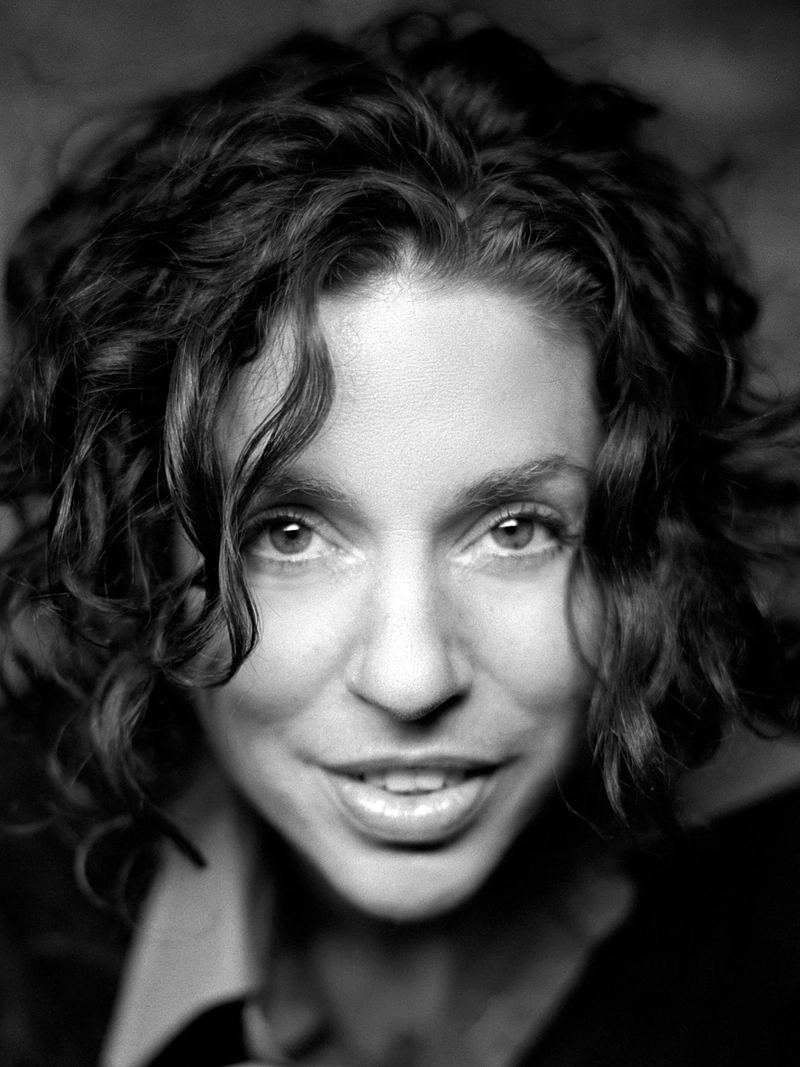
Attr: KMUW
| 30 Quotes | |
| Born as | Angela Maria DiFranco |
| Occup. | Musician |
| From | USA |
| Born | September 23, 1970 Buffalo, New York, USA |
| Age | 55 years |
| Cite | |
Citation Formats
APA Style (7th ed.)
Ani difranco biography, facts and quotes. (2026, February 11). FixQuotes. https://fixquotes.com/artists/ani-difranco/
Chicago Style
"Ani DiFranco biography, facts and quotes." FixQuotes. February 11, 2026. https://fixquotes.com/artists/ani-difranco/.
MLA Style (9th ed.)
"Ani DiFranco biography, facts and quotes." FixQuotes, 11 Feb. 2026, https://fixquotes.com/artists/ani-difranco/. Accessed 12 Feb. 2026.
Early Life and Background
Ani DiFranco was born Angela Maria DiFranco on September 23, 1970, in Buffalo, New York, a rust-belt city still vibrating with postindustrial decline and hard-earned community pride. Her father, of Italian-American background, and her mother, of Canadian heritage, ran a household where music was not decoration but a daily language. Long before she became a national emblem of DIY independence, she was a working child performer, busking and playing local gigs that forced her to learn projection, stamina, and how to win a room that did not owe her attention.That early exposure to bars, coffeehouses, and small stages left a psychological imprint: an insistence on self-definition that reads less like adolescent rebellion than a survival technique. DiFranco came of age during the late Cold War and the Reagan-to-George H.W. Bush years, when culture wars sharpened around feminism, sexuality, and censorship. In Buffalo, far from coastal industry gatekeepers, she learned that art could be both livelihood and argument, and that independence was not a pose but a practical infrastructure you had to build with your own hands.
Education and Formative Influences
She attended the Buffalo Academy for Visual and Performing Arts and later took classes at the State University of New York at Buffalo, but her education was primarily the road: folk clubs, punk ethics, and the lineage of politically sharpened singer-songwriters. Jazz phrasing and percussive guitar entered her playing alongside the narrative directness of folk and the confrontational velocity of punk; she absorbed the lesson that craft matters, but so does control of your means of production - who records you, markets you, and owns your masters.Career, Major Works, and Turning Points
At 18, DiFranco founded Righteous Babe Records (1990), turning what might have been an act of youthful defiance into a durable enterprise that let her release music on her own terms and tour relentlessly. The early catalog - including albums such as "Not So Soft" (1991), "Puddle Dive" (1993), and "Not a Pretty Girl" (1995) - made her a defining voice of 1990s alternative culture, threading feminist critique through intensely personal storytelling. A major turning point came with broader critical recognition around "Dilate" (1996), a record that widened her audience without sanding down her edges; later projects like "Little Plastic Castle" (1998) and the increasingly textural, band-forward "To the Teeth" (1999) showed her expanding beyond solo guitar propulsion into horn lines, groove, and studio architecture. Over decades she continued to release prolifically, publish memoir, and tour internationally, sustaining a career that treated the mainstream not as a destination but as a weather system to navigate.Philosophy, Style, and Themes
DiFranco's inner life is written in the tension between exposure and armor. Her performances can feel like public confession, yet she consistently signals that confession is also a tactic - a way to seize narrative power before anyone else can weaponize it. She captures that duality in one of her most revealing lines: "Some people wear their heart up on their sleeve. I wear mine underneath my right pant leg, strapped to my boot". The image is comic and defensive at once, suggesting a psyche that refuses sentimentality while still insisting on emotional truth.Her themes circle autonomy, gendered scrutiny, and the uneasy bargains of intimacy in a media-saturated age. She dissects beauty politics with the precision of someone who has watched desire turn into social regulation: "God forbid you be an ugly girl, 'course too pretty is also your doom, 'cause everyone harbors a secret hatred for the prettiest girl in the room
Our collection contains 30 quotes written by Ani, under the main topics: Witty One-Liners - Wisdom - Art - Friendship - Love.