
Art Garfunkel Biography Quotes 17 Report mistakes
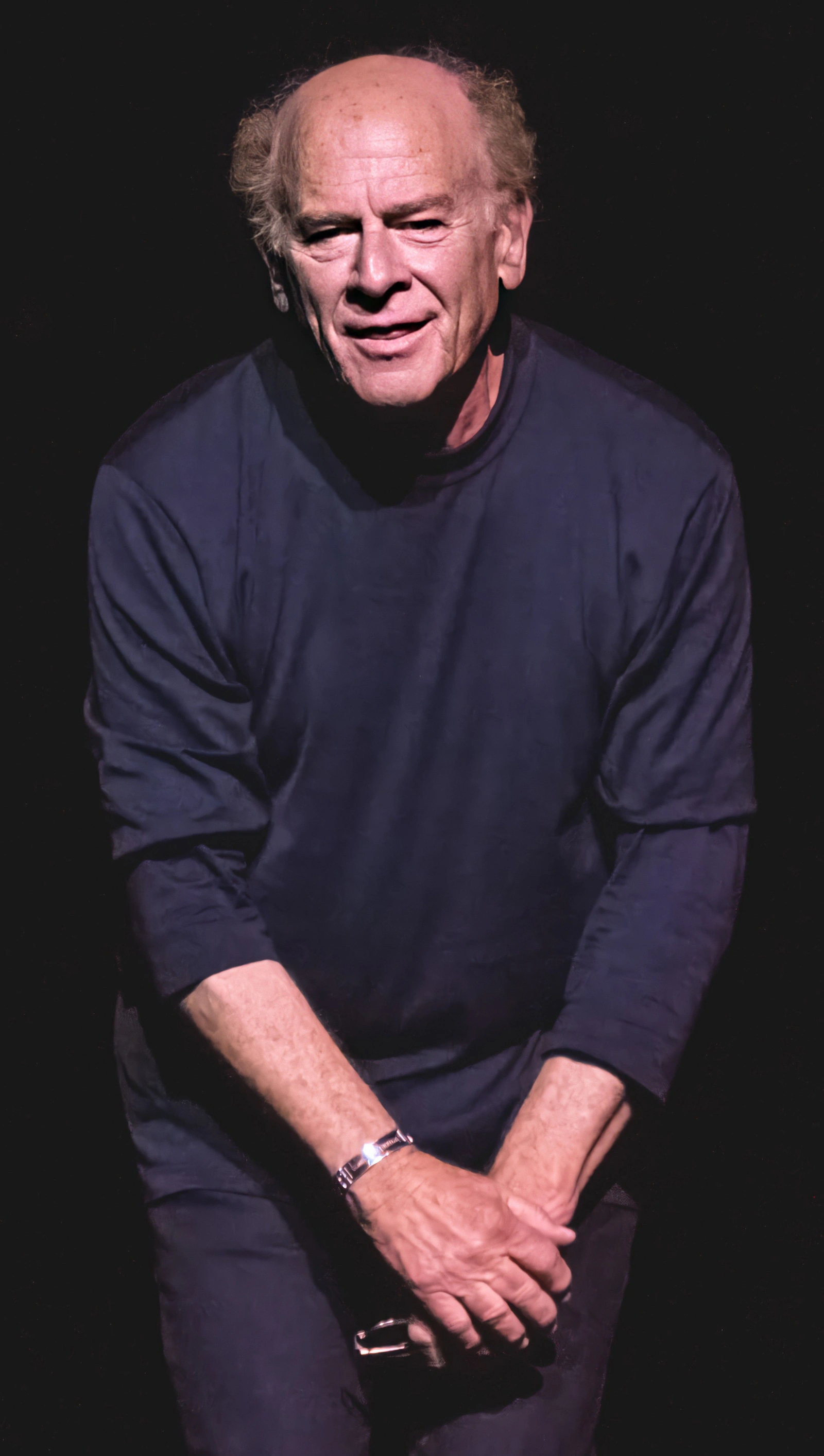
| 17 Quotes | |
| Born as | Arthur Ira Garfunkel |
| Occup. | Musician |
| From | USA |
| Born | November 5, 1941 Queens, New York, USA |
| Age | 84 years |
| Cite | |
Citation Formats
APA Style (7th ed.)
Art garfunkel biography, facts and quotes. (2026, February 11). FixQuotes. https://fixquotes.com/artists/art-garfunkel/
Chicago Style
"Art Garfunkel biography, facts and quotes." FixQuotes. February 11, 2026. https://fixquotes.com/artists/art-garfunkel/.
MLA Style (9th ed.)
"Art Garfunkel biography, facts and quotes." FixQuotes, 11 Feb. 2026, https://fixquotes.com/artists/art-garfunkel/. Accessed 12 Feb. 2026.
Early Life and Education
Arthur Ira Garfunkel was born on November 5, 1941, in Forest Hills, Queens, New York City. Raised in a Jewish household, he grew up surrounded by the sounds of popular music and liturgical singing, and from an early age he displayed an exceptional ear and a clear, soaring tenor voice. He attended Forest Hills High School, where a chance classroom and neighborhood friendship with Paul Simon began the partnership that would define his public life. After high school, Garfunkel enrolled at Columbia College in New York City, where he studied art history and sang with the collegiate a cappella ensemble the Columbia Kingsmen. He later earned a master's degree in mathematics education from Teachers College, Columbia University, reflecting an academic seriousness that would remain a counterpoint to his musical career.Forming a Partnership with Paul Simon
As teenagers, Garfunkel and Paul Simon first performed together under the name Tom & Jerry. In 1957 they scored a minor hit with Hey, Schoolgirl, guided by independent producer Sid Prosen. The experience taught them fundamentals of recording and promotion, but it would take the folk revival of the early 1960s to reveal the expressive range of Garfunkel's voice. They signed with Columbia Records, where producer Tom Wilson initially oversaw their sessions. Their debut as Simon & Garfunkel, Wednesday Morning, 3 A.M. (1964), struggled commercially, and the pair briefly went separate ways while remaining close collaborators and friends.The Simon & Garfunkel Years
In a pivotal studio decision, Tom Wilson added electric instruments to The Sound of Silence without the duo's prior knowledge, and in 1965 the song became a nationwide hit. Reunited, Simon & Garfunkel recorded a run of acclaimed albums with engineer-producer Roy Halee, whose meticulous studio craft suited Garfunkel's harmonic precision. Sounds of Silence (1966), Parsley, Sage, Rosemary and Thyme (1966), and Bookends (1968) elevated the duo to the forefront of American popular music. Their songs also found a cinematic home when director Mike Nichols featured their music in The Graduate (1967), culminating in the cultural landmark Mrs. Robinson.The apex of their partnership arrived with Bridge over Troubled Water (1970). Written by Paul Simon and sung with luminous restraint by Garfunkel, the title track became an anthem and showcased his vocal poise, dynamic control, and gift for phrasing. Despite enormous success, differing artistic priorities and the pressures of fame widened personal and creative rifts, and the duo separated after that album's release, though mutual respect drew them back for select reunions.
Acting and Transition
During this period, Mike Nichols invited Garfunkel to act, casting him in Catch-22 (1970) and Carnal Knowledge (1971). Working alongside performers such as Jack Nicholson and Candice Bergen, he developed a quiet screen presence that contrasted with his stage persona. Acting broadened his artistic life and contributed to the duo's drift apart, yet it also reinforced his interest in narrative and character, qualities that would surface in his lyric choices as a solo artist.Solo Career
Garfunkel's solo albums emphasized interpretive singing, refined arrangements, and a curatorial ear for songwriters. Angel Clare (1973) included All I Know by Jimmy Webb, a top ten single that highlighted his ability to convey vulnerability with technical ease. Breakaway (1975), produced with pop polish, featured the hit I Only Have Eyes for You and a brief reunion with Paul Simon on My Little Town. Watermark (1977) returned often to Jimmy Webb's compositions, while Fate for Breakfast (1979) and Scissors Cut (1981) balanced contemporary material with standards, always foregrounding the clarity of his voice.Garfunkel also explored performance formats beyond studio albums. He issued live recordings, collaborated with orchestras, and cultivated a recital-like approach to concerts. Everything Waits to be Noticed (2002) marked a late-career shift: he co-wrote original songs with Maia Sharp and Buddy Mondlock, revealing a more personal authorial voice. He later turned to the Great American Songbook on Some Enchanted Evening (2007), applying his understated style to classic repertoire.
Reunions and Later Work
Public appetite for Simon & Garfunkel's shared legacy produced notable reunions. The Concert in Central Park in 1981 drew hundreds of thousands in New York City and led to a tour, reaffirming their intricate harmonies and stage chemistry. They periodically performed together in subsequent decades, including the Old Friends tours, with Roy Halee's studio sensibilities and long-time manager Mort Lewis's organizational presence never far from their story. In 1990, the duo entered the Rock and Roll Hall of Fame.In 2010 Garfunkel suffered vocal cord paresis following an illness, a setback that forced cancellations and a period of rehabilitation. Patient work and careful technique gradually restored much of his range, and he returned to the stage with a repertoire that combined solo selections, standards, and the songs he had made famous with Paul Simon.
Personal Pursuits and Writing
Away from the microphone, Garfunkel cultivated a lifelong passion for walking. Over years he completed long-distance treks across the United States and parts of Europe, keeping meticulous diaries of routes and impressions. He is also a devoted reader, maintaining a public list of the books he has finished, and channeling his reflective tendencies into writing. His collection Still Water appeared in the late 1980s, and he later published the memoir What Is It All but Luminous: Notes from an Underground Man, a collage of vignettes, lists, and meditations that extended the introspective voice heard in his songs.Garfunkel's personal life includes marriage to Linda Marie Grossman in the 1970s and, later, to Kathryn Kim Garfunkel, with whom he has two sons. He was profoundly affected by the death of actress Laurie Bird, a partner in the late 1970s, an event that deepened the introspective tone of some of his subsequent work.
Artistry and Legacy
Art Garfunkel's legacy rests on the expressive clarity of his tenor, the architectural intelligence of his harmonies, and an interpretive sensibility honed in collaboration with Paul Simon and producers such as Tom Wilson and Roy Halee. Where Simon was often the principal songwriter, Garfunkel provided the luminous top line and balance that transformed compositions into enduring recordings. As a solo artist, he championed sophisticated material from writers like Jimmy Webb and brought a chamber-like focus to pop performance. His forays into film with Mike Nichols, his literary projects, and his long-distance walks reveal a disciplined, searching temperament.Spanning folk revival beginnings, the intricacies of studio craft in the 1960s, the challenges of reinvention, and the persistence required to overcome vocal injury, Garfunkel's career traces a coherent arc of craft and curiosity. He remains an emblem of the idea that a voice, shaped by friendship, study, and patient care, can carry songs across generations and make them feel both intimate and grand.
Our collection contains 17 quotes written by Art, under the main topics: Friendship - Music - Writing - Sports - Self-Discipline.
Other people related to Art: Nicolas Roeg (Director), Tom Wilson (Cartoonist), Wally Amos (Businessman)
Source / external links