
Beverly Sills Biography Quotes 16 Report mistakes
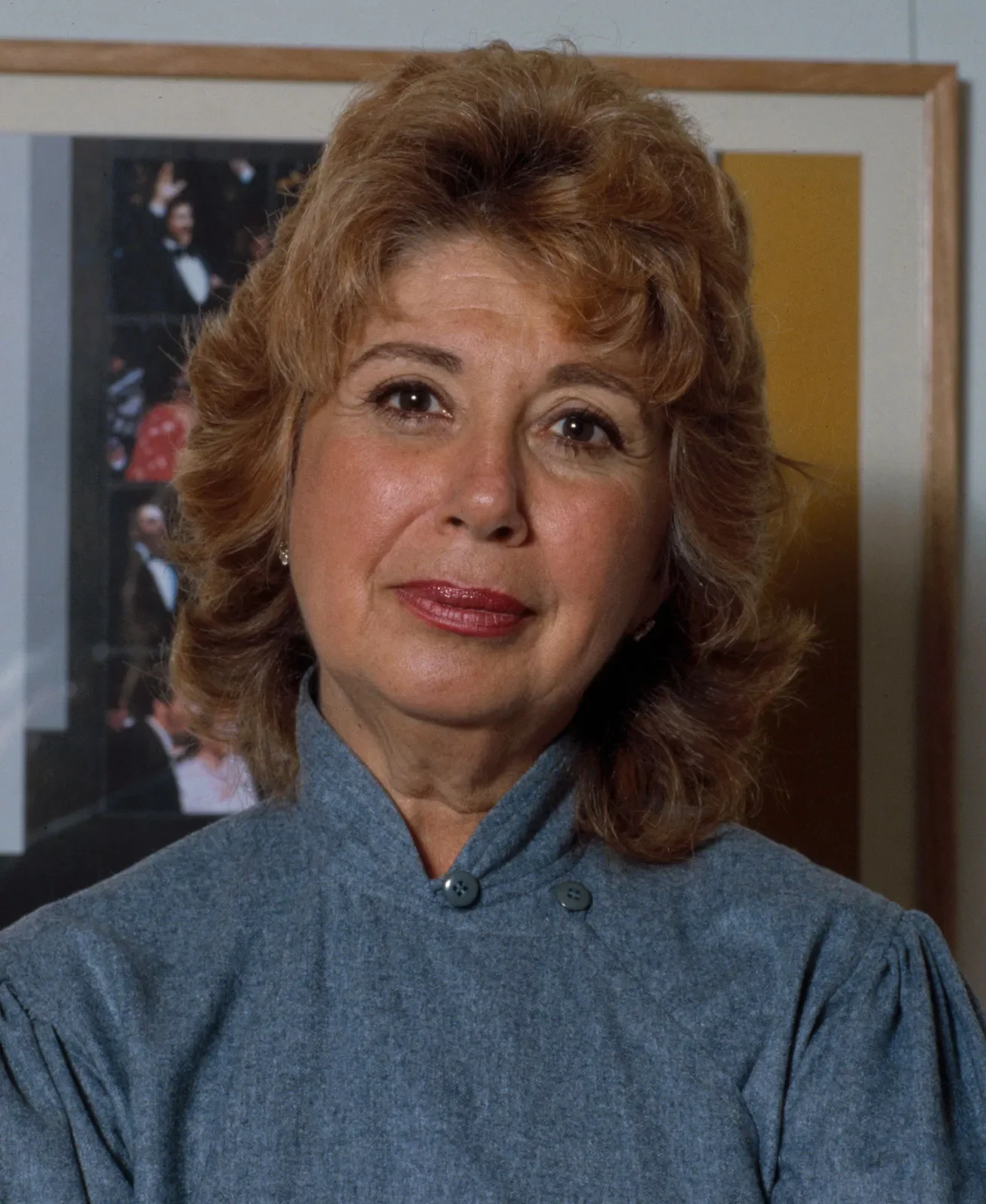
| 16 Quotes | |
| Born as | Belle Miriam Silverman |
| Occup. | Musician |
| From | USA |
| Spouse | Peter B. Greenough |
| Born | May 25, 1929 Brooklyn, New York |
| Died | July 2, 2007 |
| Cause | Lung cancer |
| Aged | 78 years |
| Cite | |
Citation Formats
APA Style (7th ed.)
Beverly sills biography, facts and quotes. (2026, February 11). FixQuotes. https://fixquotes.com/artists/beverly-sills/
Chicago Style
"Beverly Sills biography, facts and quotes." FixQuotes. February 11, 2026. https://fixquotes.com/artists/beverly-sills/.
MLA Style (9th ed.)
"Beverly Sills biography, facts and quotes." FixQuotes, 11 Feb. 2026, https://fixquotes.com/artists/beverly-sills/. Accessed 24 Mar. 2026.
Early Life and Background
Beverly Sills was born Belle Miriam Silverman on May 25, 1929, in Brooklyn, New York, to Jewish immigrant parents whose ambitions for their daughter were practical but whose household was saturated with radio, theater, and the high-voltage hustle of interwar New York. She grew up during the Great Depression and came of age as wartime America turned mass entertainment into a national language - a context that made it plausible for a child with a startling ear and fearless stage instinct to imagine a life in performance.She was a prodigy in the old vaudeville sense: quick, personable, and unembarrassed by the spotlight. As a child she sang on radio (including appearances on Major Bowes' Amateur Hour), learned how to hit a mark and sell a phrase, and absorbed the discipline of live performance long before she had the emotional vocabulary that opera would later demand. That early public life shaped her private one - a blend of steel and geniality, a need to be excellent, and a knack for communicating directly with strangers.
Education and Formative Influences
Sills studied voice in New York with teachers including Estelle Liebling, a rigorous architect of technique who also guided singers like Joan Cotter and later Renata Scotto; the focus was breath, legato, and the clean, articulate coloratura that would become Sills' calling card. She also learned in the less formal conservatory of mid-century American show business: touring, languages picked up backstage, and an instinct for timing that came as much from popular entertainment as from the opera studio, preparing her to translate European repertoire for American audiences without condescension or dilution.Career, Major Works, and Turning Points
After early professional work and a long apprenticeship that included touring and regional opera, Sills became synonymous with the New York City Opera, debuting there in 1955 and emerging as its defining star in the 1960s. The decisive turning point came with her virtuoso, dramatically committed interpretations of Donizetti and other bel canto roles - especially the Tudor queens (Anna Bolena, Maria Stuarda, Roberto Devereux) - performances that helped ignite a broader American bel canto revival and made her, by the late 1960s, a national figure. Her Metropolitan Opera debut in 1975 arrived later than her fame, but confirmed her stature; soon after, she pivoted from singing to leadership, serving as general director of NYCO (1979-1989) and later as chairman of Lincoln Center, becoming one of the most visible arts administrators in the United States while also remaining a major television presence who demystified opera for mainstream audiences.Philosophy, Style, and Themes
Sills' artistry married virtuosity to candor. Technically she was prized for pinpoint coloratura, a bright, forward sound, and the ability to shape ornament not as decoration but as psychology - rage, flirtation, panic, pride. Dramatically, she was less an aloof monument than a sharply drawn human being onstage, a performer who understood that opera is persuasion: you make an audience believe in extreme feeling by being precise about detail. Offstage, her quick wit and accessibility were not a mask but a strategy - she made intimacy with the public part of the job, insisting that the art form could survive in America only if singers stopped treating audiences as outsiders.Her inner compass was resolutely forward-leaning, tempered by the knowledge that life rarely cooperates with plans. “You may be disappointed if you fail, but you are doomed if you don't try”. That sentence fits a career built on calculated risks - championing bel canto when it was still considered niche, and then stepping away from applause to manage budgets, boards, and institutional politics. She also treated ambition as a form of responsibility rather than vanity: “I've always tried to go a step past wherever people expected me to end up”. Even her view of time had a performer-manager's bite, alert to the way aging changes the stakes: “In youth we run into difficulties. In old age difficulties run into us”. The theme running through her life was not tragedy but stamina - a belief that craft and nerve, applied daily, could transform both the self and the institutions that shape culture.
Legacy and Influence
Sills died on July 2, 2007, in New York City, after years of illness, leaving an American opera landscape that looked more like a public art than an imported luxury in part because she made it feel speakable, neighborly, and urgent. As a singer, she helped restore bel canto to the center of repertory and demonstrated that vocal fireworks could carry deep character; as a media figure, she normalized opera on television and talk shows without flattening it; and as an administrator, she embodied a rare second act, translating stage instincts into civic leadership. Her enduring influence lies in that double authority - the artist who proved excellence could be welcoming, and the executive who insisted that institutions must earn love the way singers do: through clarity, courage, and work.Our collection contains 16 quotes written by Beverly, under the main topics: Witty One-Liners - Motivational - Wisdom - Art - Resilience.
Frequently Asked Questions
- Beverly Sills Iris: A famous pink tall bearded iris named after her
- Beverly Sills children: Two: Meredith ("Muffy") and Peter Jr.
- How old was Beverly Sills? She became 78 years old
Source / external links