
Blu Cantrell Biography Quotes 10 Report mistakes
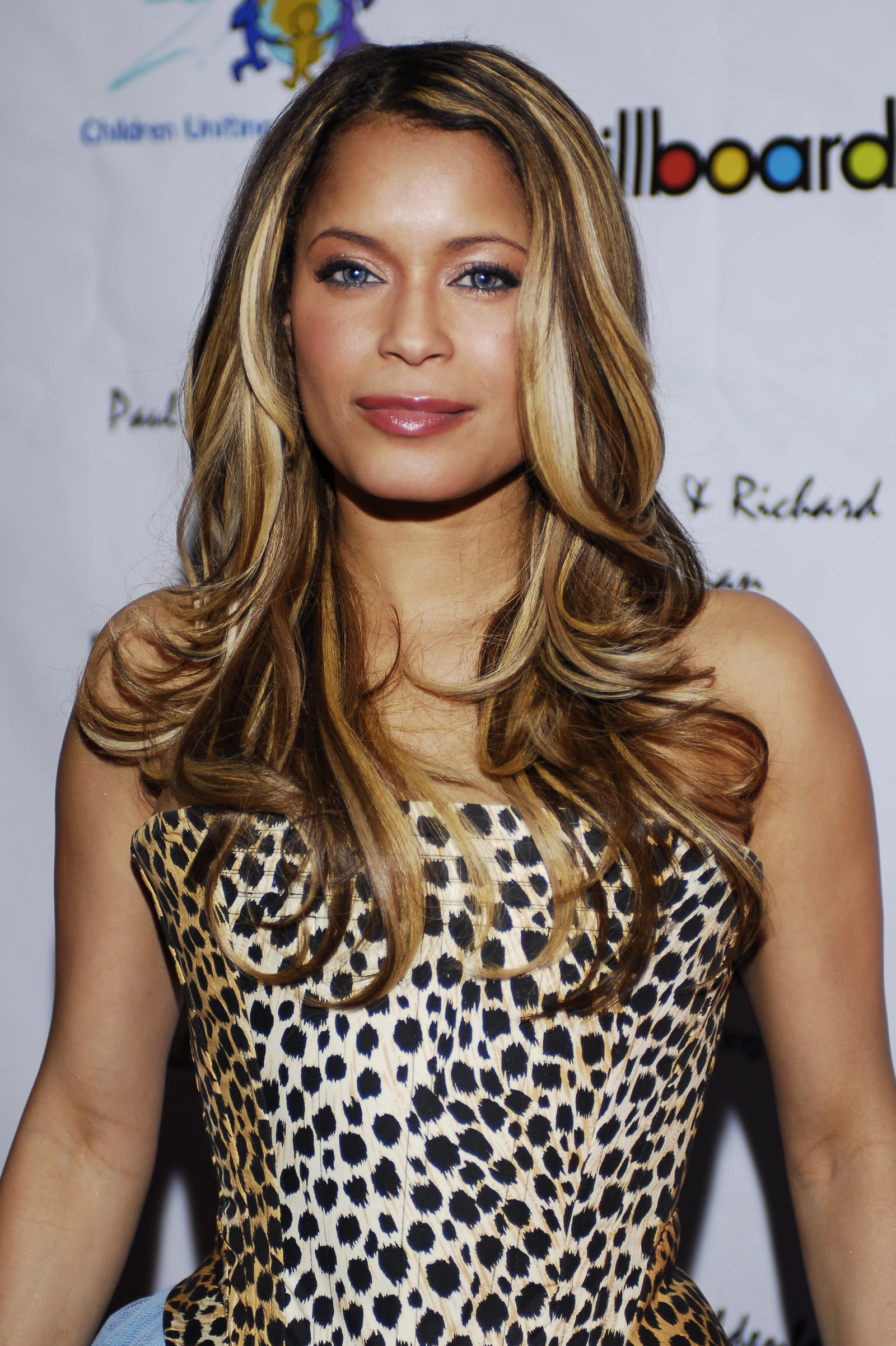
| 10 Quotes | |
| Born as | Tiffany Cobb |
| Occup. | Musician |
| From | USA |
| Born | October 1, 1976 Providence, Rhode Island, United States |
| Age | 49 years |
| Cite | |
Citation Formats
APA Style (7th ed.)
Blu cantrell biography, facts and quotes. (2026, February 11). FixQuotes. https://fixquotes.com/artists/blu-cantrell/
Chicago Style
"Blu Cantrell biography, facts and quotes." FixQuotes. February 11, 2026. https://fixquotes.com/artists/blu-cantrell/.
MLA Style (9th ed.)
"Blu Cantrell biography, facts and quotes." FixQuotes, 11 Feb. 2026, https://fixquotes.com/artists/blu-cantrell/. Accessed 7 Mar. 2026.
Early Life and Background
Blu Cantrell was born Tiffany Cobb on October 1, 1976, in the United States, coming of age in an America where R&B was pivoting from the polished vocal groups of the early 1990s to a tougher, beat-driven blend with hip-hop. Before the public knew her as a platinum-selling singer with a glossy pop edge, she moved through the ordinary pressures that later surface in her records: the need to be taken seriously, the fear of being reduced to rumor, and the determination to control the terms of her own visibility.Her early life is best understood against the late-1990s music economy that rewarded a strong image as much as a strong voice. That environment could be liberating for a young woman who learned to perform confidence, but it also created a constant undertow of scrutiny - about body, desirability, and credibility. Cantrell would later translate that tension into songs that feel simultaneously defiant and exposed, the sound of someone insisting on her worth while anticipating the ways it might be questioned.
Education and Formative Influences
Details of Cantrell's formal education are not widely documented, but her formative influences are legible in the era she entered: the melodic rigor of classic soul, the conversational phrasing of hip-hop, and the Caribbean currents that were increasingly central to early-2000s radio. Like many singers breaking through at the time, she learned the industry craft of the hook - how to deliver a single line with enough bite, vulnerability, and attitude to survive heavy rotation and the club at once.Career, Major Works, and Turning Points
Cantrell broke through at the start of the 2000s with a sound engineered for crossover: R&B vocals riding hip-hop production, built around confession and flirtation. Her signature early run includes the album So Blu (2001), anchored by the singles "Hit 'Em Up Style (Oops!)" and "Breathe" (the latter featuring Sean Paul), songs that positioned her as both storyteller and strategist - a singer willing to turn romantic injury into public reckoning. The commercial peak came quickly, and so did the pressures that often follow: intense branding, expectations to repeat a formula, and an industry cycle that can move on faster than an artist can evolve. Her follow-up album Bittersweet (2003) deepened the emotional palette, hinting at a musician who wanted to be heard beyond the first headline-making hook, even as mainstream visibility grew harder to sustain in a rapidly shifting market.Philosophy, Style, and Themes
Cantrell's music is rooted in the idea that pain can be narrated without surrendering power. Her best-known songs dramatize betrayal, self-protection, and the complicated satisfaction of drawing a boundary in public. She has said, “I think you can feel the pain I've experienced in my music. It's something that a lot of people can relate to”. That line is not a slogan so much as a key to her emotional delivery: she often sings as if she is reliving the scene while also editing it, shaping humiliation into a tighter, more listenable story - one where the wounded person still gets the last word.Her themes also expose a psychology forged under gossip culture, where a woman's reputation can become a product other people sell. “The word of the mouth is a very powerful thing and you can say something about someone that is not necessarily true, but people will believe it and it will become a constant reminder and every time that your name is bought up, that will come up”. This fear of narrative theft helps explain her sharp, declarative songwriting - the insistence on naming what happened, and on defining what it means. Even her self-presentation carries the imprint of a performer negotiating beauty standards without letting them define her. “You know, I do not think it is necessarily looks, I do not think I am the prettiest girl... Everyone has something that is their asset, some have the hair, some have the cheekbones, others have the lips. But once you know what is your asset, then you should capitalize on it”. In context, it reads as survival advice from an artist who understood the marketplace but refused to confuse marketability with identity.
Legacy and Influence
Blu Cantrell's enduring influence rests on how cleanly she captured an early-2000s inflection point: R&B becoming more diaristic, more beat-centered, and more willing to treat female anger as a chorus-worthy emotion rather than a private embarrassment. "Hit 'Em Up Style (Oops!)" in particular became a cultural reference for romantic payback, but her deeper legacy is the way she made humiliation audible without making it small. In an era that often punished women for being both glamorous and wounded, Cantrell carved a space where toughness and vulnerability could share the same hook - a template that later pop-R&B storytellers would continue to expand.Our collection contains 10 quotes written by Blu, under the main topics: Motivational - Art - Music - Equality - Romantic.
Source / external links