
Bob Dylan Biography Quotes 46 Report mistakes
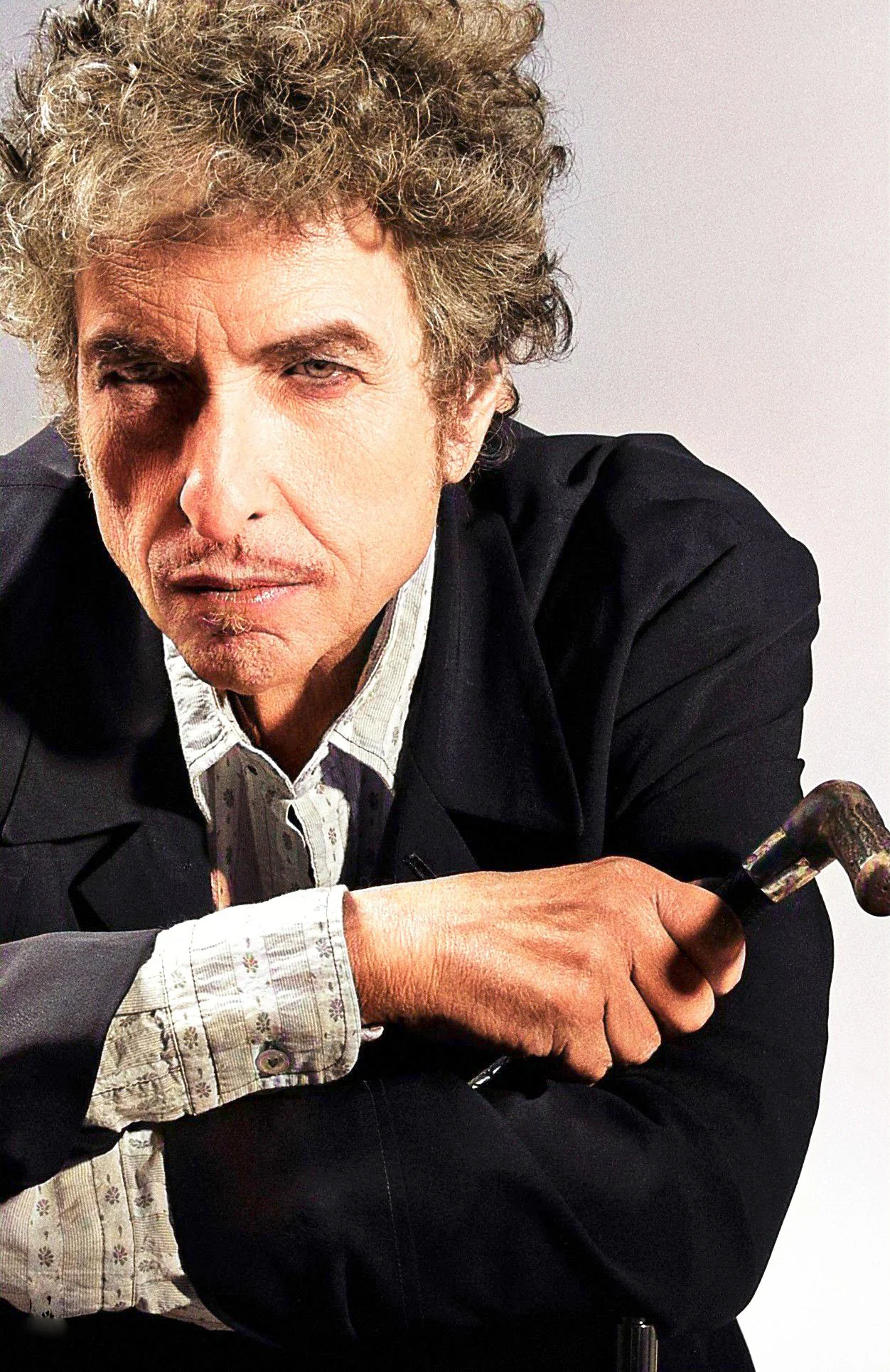
| 46 Quotes | |
| Born as | Robert Allen Zimmerman |
| Occup. | Musician |
| From | USA |
| Spouse | Carolyn Dennis (1986–1992) |
| Born | May 24, 1941 Duluth, Minnesota, USA |
| Age | 84 years |
| Cite | |
Citation Formats
APA Style (7th ed.)
Bob dylan biography, facts and quotes. (2026, February 7). FixQuotes. https://fixquotes.com/artists/bob-dylan/
Chicago Style
"Bob Dylan biography, facts and quotes." FixQuotes. February 7, 2026. https://fixquotes.com/artists/bob-dylan/.
MLA Style (9th ed.)
"Bob Dylan biography, facts and quotes." FixQuotes, 7 Feb. 2026, https://fixquotes.com/artists/bob-dylan/. Accessed 1 Apr. 2026.
Early Life and Background
Robert Allen Zimmerman was born on May 24, 1941, in Duluth, Minnesota, and raised largely in the iron-range town of Hibbing. The son of a middle-class Jewish family in a region shaped by mines, rail lines, and long winters, he grew up hearing radio blues and country alongside the postwar optimism that promised mobility and reinvention. Hibbing, both insulated and restless, offered him the classic American paradox: security that could feel like confinement, and horizons that were mostly imagined.As a teenager he played in local groups and fixated on the electricity of Little Richard and the narrative drive of Hank Williams. Even before he left Minnesota, he treated identity as material to be worked - names, voices, and styles as portable tools. That early instinct to slip between masks was less escapism than method: a way to test how much of a self could be invented, and how much had to be endured.
Education and Formative Influences
In 1959 he enrolled at the University of Minnesota in Minneapolis, drifting toward the Dinkytown folk scene and absorbing Woody Guthrie, Pete Seeger, Lead Belly, and the cadences of ballads that carried history in their meter. He taught himself to write as an archivist of American speech - biblical phrasing, Dust Bowl reportage, beat poetry, and the blunt humor of barroom talk - then fused them into a new songwriting language that sounded older than he was. In 1961 he left for New York City, seeking Guthrie in the hospitals and a larger stage in Greenwich Village, where the early 1960s revival treated authenticity as both moral ideal and marketable brand.Career, Major Works, and Turning Points
Signed by Columbia Records in 1961, he moved from traditional material to the sharply topical songs that made him a generational spokesman against his will: The Freewheelin' Bob Dylan (1963) and The Times They Are a-Changin' (1964) turned civil-rights urgency and Cold War dread into portable anthems. His 1965-66 shift to electric rock - Bringing It All Back Home, Highway 61 Revisited, and Blonde on Blonde - detonated the folk scene and expanded pop into surrealist reportage, then an infamous 1966 motorcycle accident pushed him into partial retreat and a new, more private Americana with John Wesley Harding (1967) and Nashville Skyline (1969). The 1970s swung between public myth and intimate fracture: Blood on the Tracks (1975) and Desire (1976) blended confession, theater, and moral argument; the late-1970s Christian conversion yielded the gospel trilogy beginning with Slow Train Coming (1979). Later decades brought constant touring, reinvention, and late-career peaks such as Time Out of Mind (1997), Love and Theft (2001), and Rough and Rowdy Ways (2020), alongside a Nobel Prize in Literature in 2016 that reframed his songwriting as a central modern literary project.Philosophy, Style, and Themes
Dylan's inner life, as his work reveals it, is defined by flight and return: the urge to vanish from the role assigned to him, then reappear with a new voice that denies the last. He treats celebrity as hazard and camouflage as survival, building a career on motion - geographic, stylistic, spiritual - and making that motion the subject. His art is less a diary than a set of competing testimonies, each delivered by a narrator who might be prophet, clown, lover, judge, or witness, often in the same verse.His best lines carry an ethic of freedom that is never painless. “To live outside the law, you must be honest”. That sentence captures a core Dylan tension: transgression is not a romantic pose but a discipline, requiring a private code when public codes feel corrupted. At the same time he resists fixed selfhood, not as coyness but as metaphysics - identity as an unfinished draft: “All I can do is be me, whoever that is”. Even his dream logic has a polemical edge against the obvious world, favoring imagination over the decaying literal: “I am against nature. I don't dig nature at all. I think nature is very unnatural. I think the truly natural things are dreams, which nature can't touch with decay”. Across protest songs, love songs, conversion hymns, and late meditations on death, he keeps returning to the same question: how to stay morally awake inside history without becoming its mouthpiece.
Legacy and Influence
Dylan helped redefine what a popular song could contain - long-form narrative, political argument, biblical allusion, and modernist collage - and his mid-1960s leap made space for artists from the Beatles to Joni Mitchell, Bruce Springsteen, Patti Smith, and countless punk and hip-hop writers to treat lyrics as literature. He also modeled reinvention as an artistic right, turning shifts that once scandalized audiences into a template for creative survival. More than a musician, he became a moving archive of American voices - a writer who made uncertainty sing, and who proved that the most enduring persona might be the one that refuses to stand still.Our collection contains 46 quotes written by Bob, under the main topics: Witty One-Liners - Ethics & Morality - Truth - Justice - Music.
Other people related to Bob: Neil Young (Musician), Paul Simon (Musician), Tom Petty (Musician), Steve Forbert (Musician), Billy Bragg (Musician), Mark Knopfler (Musician), Studs Terkel (Journalist), Suzanne Vega (Musician), Rickie Lee Jones (Musician), Rick Danko (Musician)
Source / external links