
Bob Marley Biography Quotes 35 Report mistakes
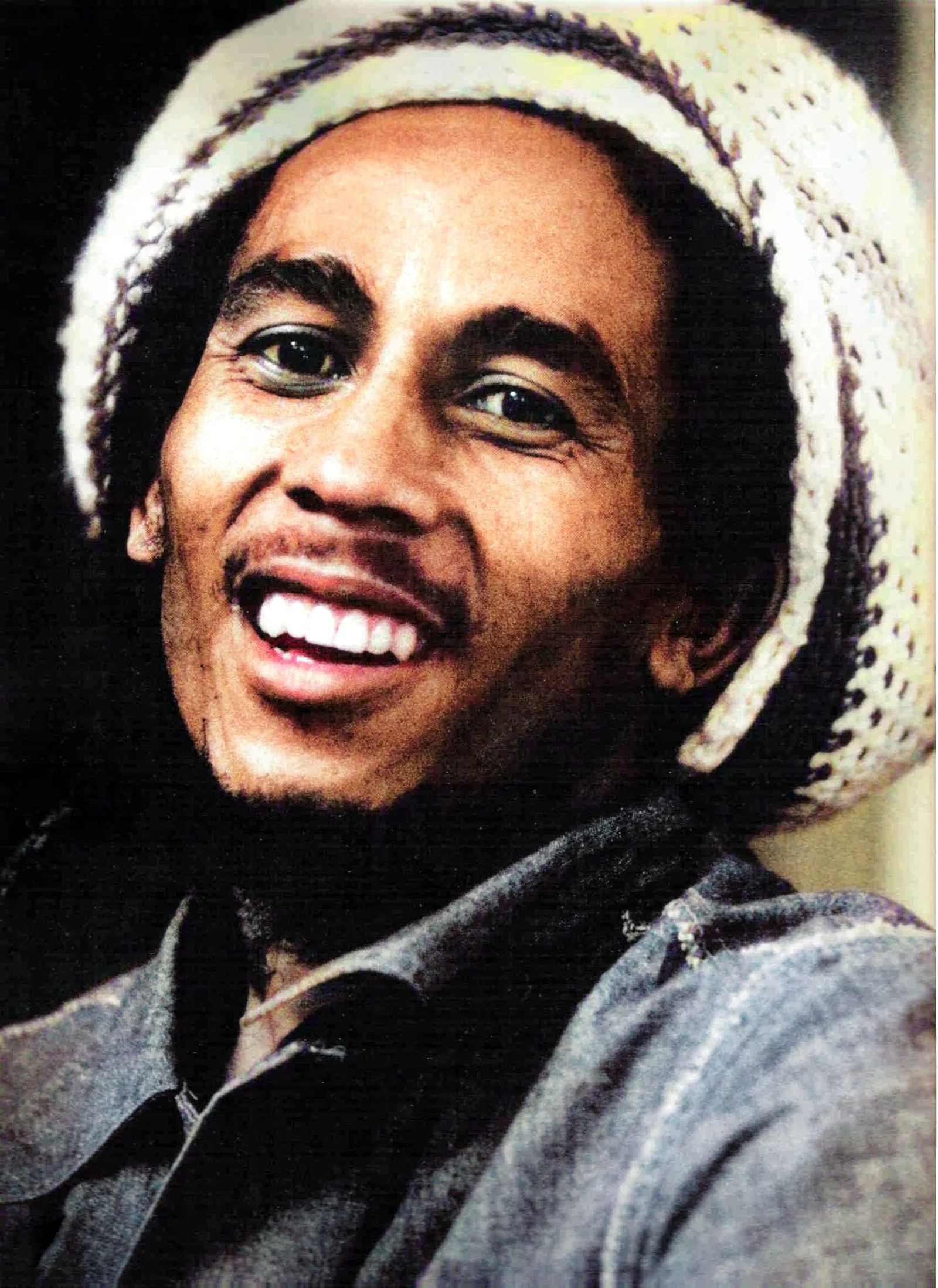
| 35 Quotes | |
| Born as | Robert Nesta Marley |
| Occup. | Musician |
| From | Jamaica |
| Born | February 6, 1945 Nine Mile, Saint Ann, Jamaica |
| Died | May 11, 1981 Miami, Florida, U.S. |
| Aged | 36 years |
| Cite | |
Citation Formats
APA Style (7th ed.)
Bob marley biography, facts and quotes. (2026, February 1). FixQuotes. https://fixquotes.com/artists/bob-marley/
Chicago Style
"Bob Marley biography, facts and quotes." FixQuotes. February 1, 2026. https://fixquotes.com/artists/bob-marley/.
MLA Style (9th ed.)
"Bob Marley biography, facts and quotes." FixQuotes, 1 Feb. 2026, https://fixquotes.com/artists/bob-marley/. Accessed 26 Mar. 2026.
Early Life and Background
Robert Nesta Marley was born on 1945-02-06 in Nine Mile, Saint Ann Parish, Jamaica, the son of Cedella Booker, a Black Jamaican teenager, and Norval Sinclair Marley, a white Jamaican of British background who was older and often absent. The unequal match left Marley straddling worlds in a colony still marked by color hierarchy and rural poverty. Norval died when Bob was young, and the boy grew up largely under Cedella's care, absorbing both the intimacy of village life and the sting of being seen as different in a tight community.In the late 1950s Cedella moved with him to Trench Town in West Kingston, a dense neighborhood of yard dwellings and political patronage where the citys inequalities were audible in the street. The mix of American R&B on radios, local mento, and the newer ska beat created a sonic education, while gang pressure and police raids made survival a daily craft. Trench Town also gave Marley a fraternity of aspiring singers and a sense of collective destiny, as if music could be both work and refuge.
Education and Formative Influences
Marley had limited formal schooling and apprenticed briefly as a welder, but his real curriculum was musical and spiritual: the vocal harmony groups of the era, the sound system culture of Kingston, and the Rastafari movement that reframed Black identity through Ethiopia, repatriation, and biblical prophecy. Early mentors and peers included Neville "Bunny" Livingston (later Bunny Wailer) and Peter Tosh, and the discipline of rehearsal in small rooms, plus the public test of auditions and dances, taught him to shape charisma into craft. By the early 1960s he was already learning how Jamaicas new independence (1962) changed the language of pride while leaving the poor to fight over crumbs.Career, Major Works, and Turning Points
In 1963 Marley formed the Wailers, cutting early ska and rocksteady sides at Studio One for Coxsone Dodd before shifting to producer Lee "Scratch" Perry and the Upsetters, a partnership that sharpened their reggae groove and militant lyricism. The 1972 deal with Island Records brought international framing: Catch a Fire (1973) and Burnin' (1973) carried "Concrete Jungle", "Stir It Up", and "Get Up, Stand Up" into rock markets, and after the group split (1974) Marley fronted Bob Marley and the Wailers with the I-Threes (including Rita Marley and Marcia Griffiths). Albums like Natty Dread (1974), Rastaman Vibration (1976), Exodus (1977), and Uprising (1980) turned Kingston reportage into global anthem. A 1976 assassination attempt at his home days before the Smile Jamaica concert, amid violent rivalry between the PNP and JLP, pushed him briefly into exile in London, where he recorded Exodus; later he returned to stage the One Love Peace Concert (1978), famously joining the hands of political rivals. Diagnosed with melanoma after an untreated toe injury, he toured anyway, collapsing in 1980 and dying in Miami on 1981-05-11.Philosophy, Style, and Themes
Marleys inner life was a tension between tenderness and prophecy. He sang desire with the directness of a street poet, yet he also carried himself like a messenger, using Rastafari as both theology and politics. The reggae one-drop rhythm became his vehicle for moral pressure: bass and drums as heartbeat, guitar as skank, and a voice that could rasp like sandpaper or float like prayer. Even his romantic material often doubled as social ethics, insisting that private conduct mattered because it trained the soul for public struggle.His lyrics repeatedly return to integrity, endurance, and self-revelation. “The greatness of a man is not in how much wealth he acquires, but in his integrity and his ability to affect those around him positively”. That ethic explains why he resisted mere celebrity, choosing instead to speak for sufferers while accepting the cost of conflict. His mystical pragmatism is captured in “When you smoke the herb, it reveals you to yourself”. The line is not just about ritual but about confronting fear and illusion, a method consistent with songs that demand clarity over comfort. And his most portable creed, “Love the life you live. Live the life you love”. reads as a survival strategy from Trench Town: make joy an act of defiance without surrendering responsibility.
Legacy and Influence
Marley became the most recognizable voice of reggae and one of the 20th centurys defining popular artists, translating Jamaican patois, Rastafari symbolism, and anticolonial longing into a shared global vocabulary. His songs remain staples of protest and remembrance - from "Redemption Song" to "No Woman, No Cry" - because they fuse lived hardship with moral uplift, refusing cynicism while naming oppression. Beyond music, he helped internationalize Jamaican culture, inspired generations of artists across rock, hip-hop, and African popular music, and left an enduring model of the musician as conscience: vulnerable, imperfect, but determined to turn personal pain into communal courage.Our collection contains 35 quotes written by Bob, under the main topics: Motivational - Wisdom - Justice - Music - Freedom.
Other people related to Bob: Ziggy Marley (Musician), Stevie Wonder (Musician)
Source / external links