
Brian Molko Biography Quotes 16 Report mistakes
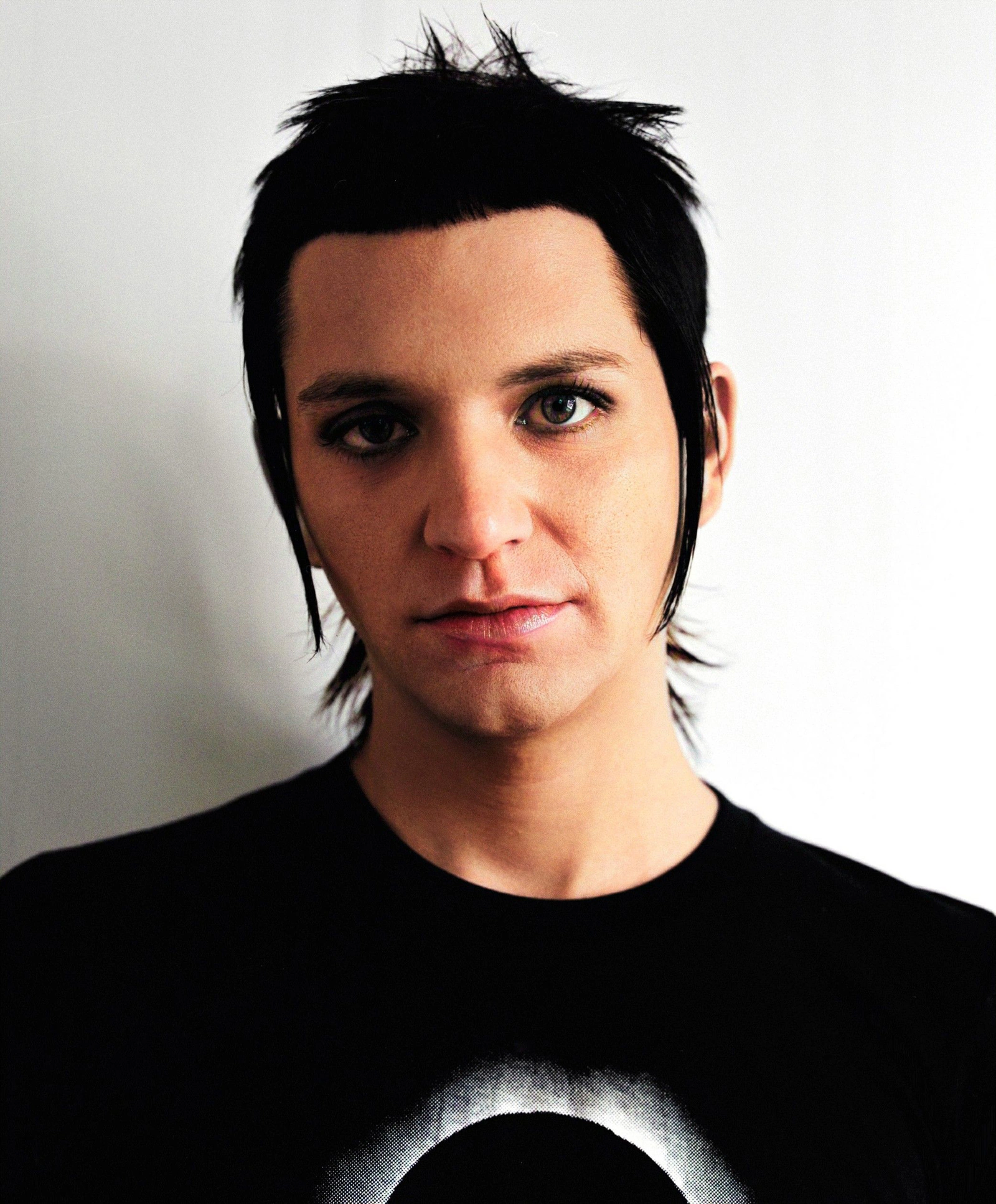
| 16 Quotes | |
| Occup. | Musician |
| From | Belgium |
| Born | December 10, 1972 Luxembourg City, Luxembourg |
| Age | 53 years |
| Cite | |
Citation Formats
APA Style (7th ed.)
Brian molko biography, facts and quotes. (2026, February 11). FixQuotes. https://fixquotes.com/artists/brian-molko/
Chicago Style
"Brian Molko biography, facts and quotes." FixQuotes. February 11, 2026. https://fixquotes.com/artists/brian-molko/.
MLA Style (9th ed.)
"Brian Molko biography, facts and quotes." FixQuotes, 11 Feb. 2026, https://fixquotes.com/artists/brian-molko/. Accessed 24 Mar. 2026.
Early Life and Background
Brian Molko was born December 10, 1972, in Brussels, Belgium, into a cosmopolitan life that never stayed still for long. The son of an American-French banker, he grew up between languages and social codes, learning early how quickly a person can become an outsider just by changing countries. That itinerant childhood - shaped by international schools, borrowed accents, and the pressure to adapt - hardened his observational instincts and gave him the performer-sensitivity that later made his lyrics feel like confessions overheard.Home was marked by distance as much as privilege. Molko has spoken over the years about fraught family dynamics and the way emotional absence can echo louder than open conflict. The result was a private interior life built on books, music, and a sense of self created in opposition to expectation. In the 1980s, as conservative public morality clashed with visible subcultures and the AIDS crisis reshaped queer life across Europe, Molko absorbed the era's anxieties and coded signals - and began turning alienation into a kind of identity.
Education and Formative Influences
As a teenager he attended the International School of Luxembourg, where he met Stefan Olsdal, later his bandmate, and where the pull of art and performance began to outcompete any conventional future. He later studied drama at Goldsmiths, University of London, an environment that prized experimentation and blurred lines between persona and self. In Britain, amid the aftershocks of Thatcherism and the rise of Britpop, Molko gravitated toward figures who made vulnerability confrontational - David Bowie, Lou Reed, and alternative rock that could be both intimate and abrasive - while sharpening a stagecraft rooted in theatricality and discomfort.Career, Major Works, and Turning Points
Molko co-founded Placebo in London in 1994 with Olsdal and drummer Robert Schultzberg, soon replaced by Steve Hewitt, and the band broke through with a reputation for androgyny, literate provocation, and a sound that mixed glam tension with post-grunge bite. Their self-titled debut (1996) announced a new voice, but it was Without You I'm Nothing (1998), boosted by "Pure Morning" and a high-profile collaboration and friendship with David Bowie, that made Placebo a defining late-1990s act; Black Market Music (2000) pushed into darker electronics, while Sleeping with Ghosts (2003) and Meds (2006) fused pop immediacy with addiction narratives and romantic wreckage. Later albums like Battle for the Sun (2009), Loud Like Love (2013), and Never Let Me Go (2022) tracked a long arc from youthful nihilism toward wary survival, with touring life and public scrutiny forcing Molko to renegotiate privacy, sobriety, and the cost of being a symbol for misfits.Philosophy, Style, and Themes
Molko's art is driven by the refusal to simplify desire, gender, or identity into slogans. He has framed attraction as unstable and plural: “I believe very strongly that when it comes to desire, when it comes to attraction, that things are never black and white, things are very much shades of grey”. That sensibility sits inside the best Placebo songs as a psychological method - narrators who want and recoil, who moralize and then undercut themselves, who treat love as chemistry and as threat. His thin, urgent tenor and clipped phrasing turn intimacy into tension; he sings like someone trying to control a panic attack by naming it.Just as central is his embrace of the outsider role as habitat rather than injury. “There's a hell of a lot of freedom in this rock and roll circus... it's where all the freaks go - it's the environment for me”. The "freak" posture is not mere styling; it becomes a defense against shame and a strategy for community, reinforced by his comfort with ambiguity in presentation: “I feel very comfortable with the way I look, and I feel very comfortable with the kind of confusion that it creates in people's minds”. Across Placebo's catalog, confession is rarely cleansing - it is forensic. Addiction, self-disgust, and compulsive pleasure appear not as cautionary tales but as symptoms of a mind trying to feel real in a world that sells masks, then punishes people for wearing them too well.
Legacy and Influence
Molko endures as one of the most distinctive frontmen to emerge from the 1990s European alternative boom - a Belgian-born, London-made voice who helped widen what rock masculinity could look and sound like. Placebo's blend of glam lineage, punk candor, and electronic shadow influenced a generation of artists drawn to gender-play, confessional lyricism, and the aesthetics of beautiful damage, while offering many listeners a rare permission slip: that being uncertain, excessive, or strange could be lived openly, even loudly, without asking to be forgiven.Our collection contains 16 quotes written by Brian, under the main topics: Witty One-Liners - Music - Love - Sarcastic - Mortality.
Frequently Asked Questions
- Brian Molko father: Brian Molko's father was a bank employee, and the family moved frequently due to his job.
- Brian Molko 1997: In 1997, Brian Molko was gaining fame as the lead singer of Placebo.
- Brian Molko young: Brian Molko was born on December 10, 1972, and spent his early years in Belgium and England.
- Brian Molko now: As of the latest updates, Brian Molko continues to be active in music.
- Brian Molko Helena Berg: Helena Berg is the mother of Brian Molko's child.
- Brian Molko husband: Brian Molko is not publicly known to have a husband.
- Brian Molko wife: Brian Molko is not publicly known to be married.
- How old is Brian Molko? He is 53 years old
Source / external links