
Charlotte Church Biography Quotes 13 Report mistakes
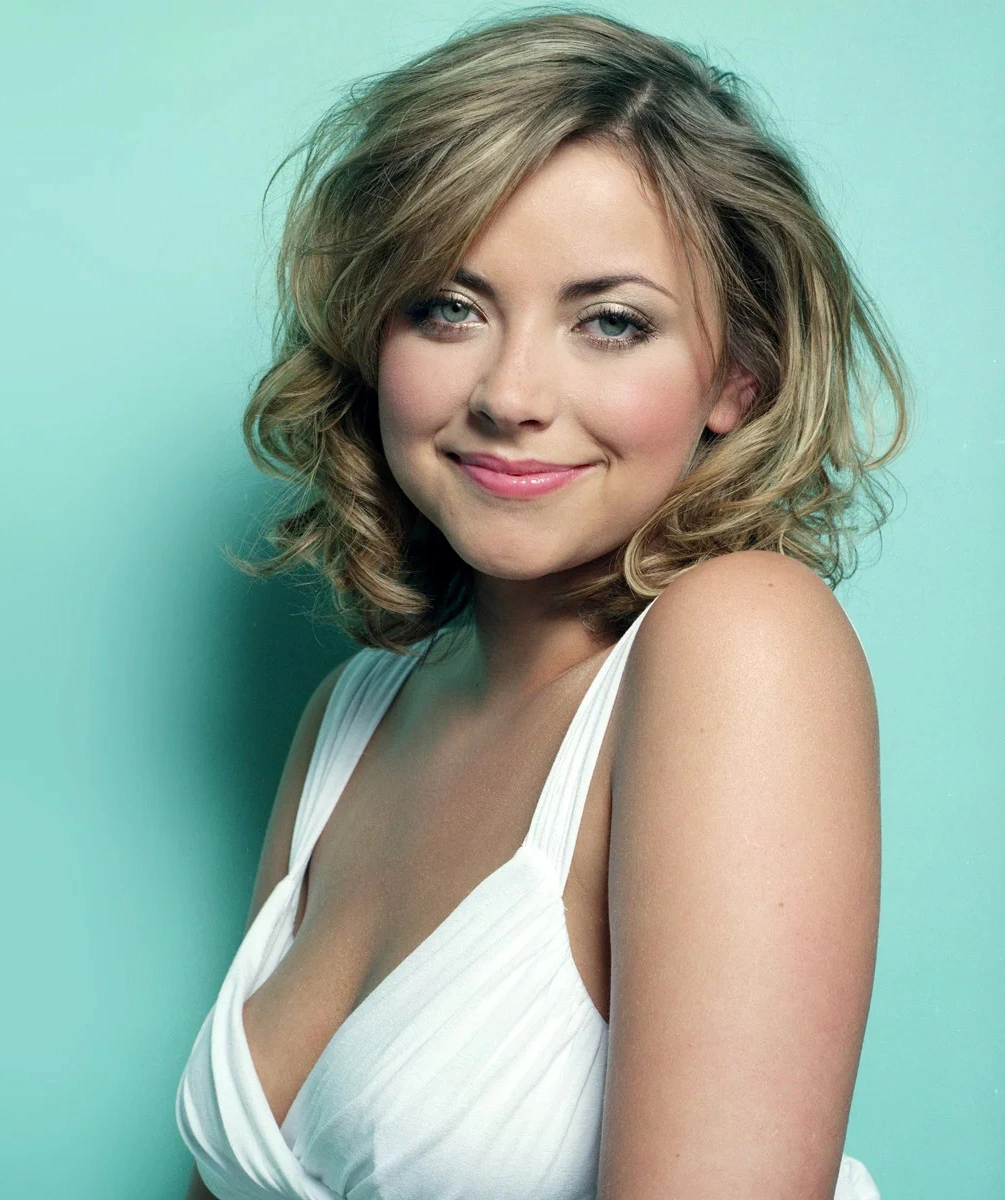
| 13 Quotes | |
| Born as | Charlotte Maria Church |
| Occup. | Musician |
| From | Welsh |
| Spouse | Jonathan Powell (2010) |
| Born | February 21, 1986 Llandaff, Cardiff, Wales |
| Age | 40 years |
| Cite | |
Citation Formats
APA Style (7th ed.)
Charlotte church biography, facts and quotes. (2026, March 5). FixQuotes. https://fixquotes.com/artists/charlotte-church/
Chicago Style
"Charlotte Church biography, facts and quotes." FixQuotes. March 5, 2026. https://fixquotes.com/artists/charlotte-church/.
MLA Style (9th ed.)
"Charlotte Church biography, facts and quotes." FixQuotes, 5 Mar. 2026, https://fixquotes.com/artists/charlotte-church/. Accessed 26 Mar. 2026.
Early Life and Background
Charlotte Maria Church was born on February 21, 1986, in Cardiff, Wales, and grew up in a working-class Welsh-speaking cultural environment where chapel music, school choirs, and local eisteddfod-style performance formed a living backdrop rather than a museum tradition. Raised primarily by her mother, Maria, Church was also closely connected to her extended family in South Wales; the mixture of tight-knit support and public scrutiny would later become a defining tension in her life, as her private world was repeatedly treated as public property.Her earliest fame arrived before adolescence, when a powerful, unusually mature soprano voice turned a local child into a national curiosity. That transformation did not merely accelerate opportunity; it rearranged childhood itself. In late-1990s Britain, as tabloid culture became increasingly aggressive and celebrity became a daily news product, Church grew up with both admiration and surveillance, learning early that the same voice that brought acclaim could also invite caricature.
Education and Formative Influences
Church attended school in Cardiff and trained in singing from a young age, absorbing classical technique alongside the Welsh tradition of communal music-making. The formative influence was less a single teacher than the collision of disciplined vocal craft with mass-media pressure: she learned phrasing, breath, and languages typical of classical crossover, while simultaneously learning to negotiate interviews, expectations of innocence, and the narrowing scripts written for child stars. Those dual educations - musical and social - helped explain her later insistence on self-definition when the public wanted a fixed, marketable identity.Career, Major Works, and Turning Points
Her international breakthrough came as a classical-crossover phenomenon: the late-1990s and early-2000s albums Voice of an Angel (1998) and Charlotte Church (1999) made her a household name, followed by Dream a Dream (2000) and Enchantment (2001), projects that framed her voice as both angelic commodity and national emblem. As her voice matured, she pivoted away from the child-soprano brand toward pop and broader songwriting, a shift that brought both freedom and backlash from audiences invested in the earlier image. Parallel to music, she tested screen work, including the comedy film Under Milk Wood (2005), and became a familiar British TV presence, notably through The Charlotte Church Show, where she leaned into performance, banter, and the risk of being understood as personality as much as musician. Her adult career also included public activism and a conspicuously candid approach to fame, including visible conflicts with press narratives and a determination to keep her Welsh identity central rather than ornamental.Philosophy, Style, and Themes
Churchs inner life as an artist has often been a tug-of-war between the joy of singing and the irritations of celebrity as a separate, noisier job. “I love singing - singing is what I'm famous for doing. Now it's turned into things I am famous for doing - like having rows with my mum or about my boyfriend, so it does get irritating”. That complaint is not mere grumbling; it reveals a psychology shaped by early commodification, where the self must constantly be defended so the voice can remain the primary instrument rather than a soundtrack to scandal.Musically, her defining trait is restless appetite - a refusal to stay neatly inside either classical sanctity or pop spectacle. “I'm just experimenting with every different type of music you can imagine and seeing where my voice lies and what sounds best. I think when I do finally do the album it will be very eclectic - just loads of different stuff on it. That's what I am hoping”. Even her throwaway provocations, like “I can't stand Bob Dylan”. , function as boundary-markers: the point is not Dylan, but the refusal to perform canonical reverence on demand. The through-theme is agency - choosing repertoire, choosing tone, choosing when to be earnest and when to be playful - and that agency becomes her answer to a culture that first celebrated her as a symbol and then punished her for becoming a person.
Legacy and Influence
Charlotte Church endures as a case study in British late-20th-century fame: a child voice elevated by the classical-crossover boom, then tested by the harsher machinery of 2000s celebrity media, and ultimately reshaped into a multifaceted, Welsh-rooted performer who insists on authorship of her own story. Her influence is clearest in the way later young British singers navigate brand shifts and public scrutiny - treating genre as fluid, treating identity as self-made, and treating the right to change as part of the art rather than a betrayal of it.Our collection contains 13 quotes written by Charlotte, under the main topics: Witty One-Liners - Music - Sports - Movie - Work.
Source / external links