
Christine Lavin Biography Quotes 9 Report mistakes
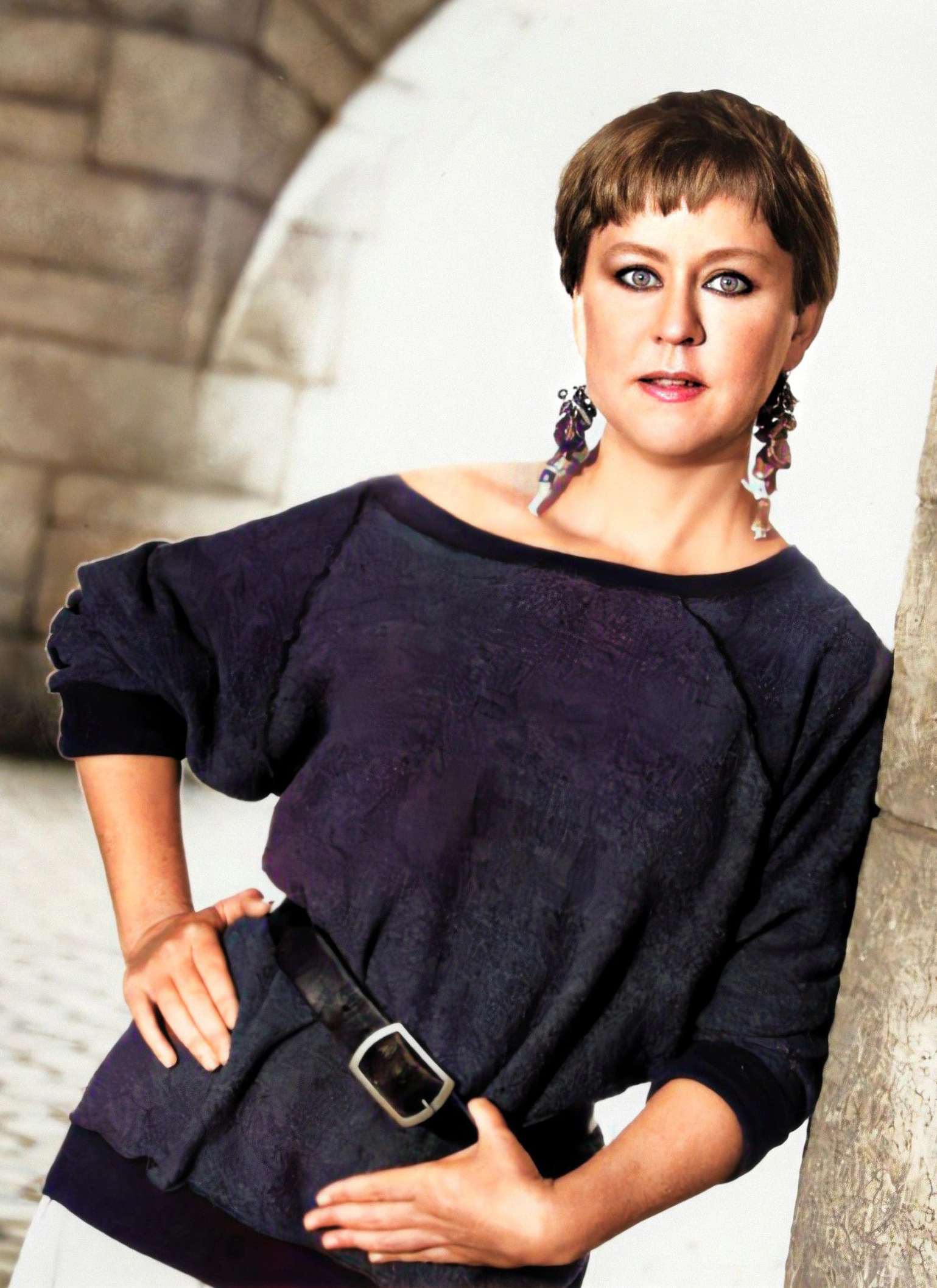
| 9 Quotes | |
| Occup. | Musician |
| From | USA |
| Born | January 2, 1952 New York City, New York, USA |
| Age | 74 years |
| Cite | |
Citation Formats
APA Style (7th ed.)
Christine lavin biography, facts and quotes. (2026, February 11). FixQuotes. https://fixquotes.com/artists/christine-lavin/
Chicago Style
"Christine Lavin biography, facts and quotes." FixQuotes. February 11, 2026. https://fixquotes.com/artists/christine-lavin/.
MLA Style (9th ed.)
"Christine Lavin biography, facts and quotes." FixQuotes, 11 Feb. 2026, https://fixquotes.com/artists/christine-lavin/. Accessed 12 Feb. 2026.
Early Life and Background
Christine Lavin was born January 2, 1952, in the United States, part of the postwar cohort that came of age as folk music shifted from movement anthem to singer-songwriter confessional and, later, to a self-aware, comedic Americana. She grew up in a culture of Catholic schools, suburban aspiration, and the expanding reach of mass media, conditions that rewarded achievement and conformity even as the era's music offered an alternate vocabulary for candor and dissent. That tension - between wanting to belong and wanting to tell the truth - became a durable engine in her writing.From early on, Lavin showed an unusually disciplined, observant temperament, the kind that notices how power works in small rooms and who is granted the microphone. Her later stage persona would be quick, funny, and apparently offhand, but it rested on a private seriousness: an impulse to take craft and responsibility personally, to study people closely, and to convert discomfort into story. In her songs, the domestic and the ridiculous are rarely small; they are how larger anxieties announce themselves.
Education and Formative Influences
Lavin attended Catholic school and later enrolled at the State University of New York at Potsdam, where she studied music and began shaping the skills of an independent touring songwriter - ear training, repertoire-building, and the ability to hold a room without the machinery of a band. In the wider world, she absorbed the late-1960s and 1970s ecosystem of clubs, festivals, and public radio that kept acoustic music alive after commercial folk ebbed, taking cues from writers who treated everyday speech as lyric material and from comedians who understood pacing, persona, and the strategic use of understatement.Career, Major Works, and Turning Points
By the late 1970s and 1980s Lavin was working the U.S. folk circuit as a distinctive presence: a singer-songwriter who could deliver emotional clarity while also puncturing pretension. She became closely associated with New York City's acoustic scene and with the community around Fast Folk Musical Magazine, a crucial late-20th-century hub that documented and distributed new songwriting outside mainstream labels. As her profile rose, she recorded albums that blended narrative, wit, and cultural observation, and she became a visible advocate for other writers, eventually hosting the long-running "Christine Lavin Presents" concert series at New York's 92nd Street Y, where her curatorial instincts - generous, sharp, and attentive to voices on the edge of wider recognition - mattered as much as her own catalog.Philosophy, Style, and Themes
Lavin's art is built on the psychological paradox of the high-achieving rule-follower who learns to survive by telling jokes in public. She has described herself as unusually driven from the start: "I was a very, very serious child... I was valedictorian of my kindergarten and eighth-grade class". That seriousness did not disappear - it sublimated into precision. Her songs often sound casual, even chatty, but their structure is engineered: setups, turns, tags, and a singer's instinct for when to let a line land in silence.Her central theme is the danger of staying stuck - in habits, in careers, in self-mythologies - and the thin margins between healthy identity and self-caricature. She frames that risk with aphoristic clarity: "There's a very fine line between a groove and a rut; a fine line between eccentrics and people who are just plain nuts". It is a comic line with an anxious undertow, revealing an artist who watches herself as closely as she watches her characters. Under the humor is a working musician's realism about survival, discipline, and integrity: "It is setting goals and trying to be a business person, but at the same time not losing sight of who you are writing songs for and what your goals are as a songwriter. So believe me, if you think I've got it down I don't it is a constant struggle". That struggle shapes her style: plainspoken language, empathetic skewering, and a refusal to confuse cleverness with cruelty.
Legacy and Influence
Lavin endures as a model of the independent American songwriter who can be both entertainer and documentarian - funny without becoming trivial, intimate without becoming precious. Within contemporary folk and Americana, her influence shows up in performers who treat spoken rhythm as melodic material and who use comedy as a tool for moral attention rather than escape. Equally important is her institutional legacy: by championing peers and younger writers in curated concerts and community-centered projects, she helped preserve an ecosystem where songs can be smart, odd, and humane - and still find their audience.Our collection contains 9 quotes written by Christine, under the main topics: Witty One-Liners - Funny - Music - Goal Setting - Perseverance.
Source / external links