
Crystal Gayle Biography Quotes 13 Report mistakes
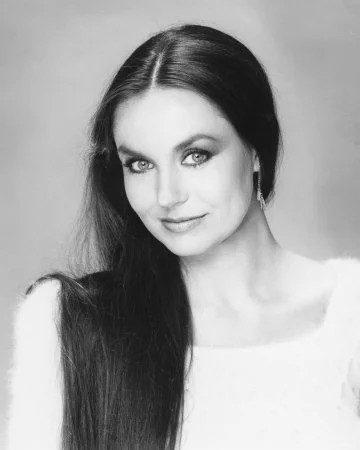
| 13 Quotes | |
| Born as | Brenda Gail Webb |
| Occup. | Musician |
| From | USA |
| Born | January 9, 1951 Paintsville, Kentucky, U.S. |
| Age | 75 years |
| Cite | |
Citation Formats
APA Style (7th ed.)
Crystal gayle biography, facts and quotes. (2026, February 2). FixQuotes. https://fixquotes.com/artists/crystal-gayle/
Chicago Style
"Crystal Gayle biography, facts and quotes." FixQuotes. February 2, 2026. https://fixquotes.com/artists/crystal-gayle/.
MLA Style (9th ed.)
"Crystal Gayle biography, facts and quotes." FixQuotes, 2 Feb. 2026, https://fixquotes.com/artists/crystal-gayle/. Accessed 12 Feb. 2026.
Early Life and Background
Crystal Gayle was born Brenda Gail Webb on January 9, 1951, in Paintsville, Kentucky, the youngest child in a large, musically saturated family. Her parents, Melvin "Ted" Webb and Clara Marie Ramey Webb, raised their children in the shifting economy of mid-century Appalachia, where coal-country hardship and church-and-radio entertainment lived side by side. The family later moved to Wabash, Indiana, and the dislocation mattered: Gayle grew up with Kentucky identity as memory and myth, filtered through distance, letters, and the sound of relatives who could turn ordinary rooms into informal stages.She was also born into a public narrative before she chose one. Her oldest sister, Loretta Lynn, had already begun climbing from honky-tonks to the Grand Ole Opry by the time Brenda was a girl, and the Webb name became a shorthand in Nashville for authenticity, rural grit, and a rare instinct for melody. That lineage opened doors and created pressure, and it shaped her inner life early - how to honor family without becoming an echo. Even her eventual stage name, "Crystal Gayle", signaled the desire to be recognized on her own terms, luminous but separate, with a privacy that fame would keep testing.
Education and Formative Influences
As a teenager in Indiana she sang in school and local settings, absorbing country radio, early pop, and the sophisticated vocal phrasing that would later distinguish her from many contemporaries. Loretta Lynn helped her get early exposure in Nashville, but the education that mattered most was practical: watching how songs were chosen, how producers framed an artist, and how the industry rewarded specificity. Those years taught her that voice alone was not a plan - repertoire, image, and stamina were. She began recording in the early 1970s, and the move from "Brenda Webb" to "Crystal Gayle" was part branding, part self-preservation, a way to step out of the shadow of a famous surname while still carrying the family cadence in her phrasing.Career, Major Works, and Turning Points
Signed to major labels in the 1970s, Gayle gradually found the lane that made her definitive: country-rooted but pop-leaning records with clean production, melodic hooks, and a vocal delivery that could be intimate without being small. The turning point came with the run of late-1970s hits that established her as more than "Loretta's little sister", culminating in 1977's "Don't It Make My Brown Eyes Blue", which became her signature crossover, earning a Grammy and global recognition. Albums such as We Must Believe in Magic (1977) and later showcases like When I Dream (1978) cemented her as an architect of the smoother "countrypolitan" era, while her instantly recognizable long hair became both iconography and armor - a visual brand that could travel across television and arena stages. In the decades that followed she continued recording, touring steadily, and collaborating, including later work with family members and periodic returns to classic-country material, shaping a career defined less by reinvention than by continuity and craft.Philosophy, Style, and Themes
Gayle's public philosophy has often been a defense of the singer's vocation against the industry's appetite for constant novelty. She has said, "All I ever want to do is what I am: a singer". That sentence clarifies her psychology: an artist happiest inside the song rather than outside it, wary of the celebrity sprawl that asks musicians to become actors, influencers, or symbols first. In her best records, the drama is internal - a held note, a softened consonant, the sense that the narrator is thinking while singing. Even when production moved toward polish, she kept an emotional plainness that felt Appalachian in origin: direct, unsentimental, yet tender.Her realism about the business is equally revealing, and it frames her themes of endurance and self-containment. "You're either in it for the long haul or you're not". The line reads like a personal vow, and it matches a career built on steady touring, careful choices, and a refusal to chase every trend. At the same time she has acknowledged how the marketplace shifts around the artist: "But these days, it's hard to make it just on a beautiful voice". That skepticism helps explain her balanced approach to crossover - embracing pop accessibility without abandoning country storytelling. Many of her songs stage the same tension: vulnerability versus control, romance versus self-protection, intimacy delivered with composure. The voice is warm, but it rarely begs; it persuades, remembers, and endures.
Legacy and Influence
Crystal Gayle endures as one of the key figures who expanded country music's late-20th-century audience without diluting its emotional core. Her success helped normalize the idea that a country singer could live comfortably on pop radio while still sounding rooted, and her signature recordings remain templates for artists aiming for crossover with restraint. Just as importantly, she modeled a long career built on identity - not constant reinvention - proving that steadiness, taste, and vocal discipline can be their own form of rebellion in an industry that often rewards noise over nuance.Our collection contains 13 quotes written by Crystal, under the main topics: Music - Work Ethic - Equality - Honesty & Integrity - Marriage.
Source / external links