
Davy Jones Biography Quotes 27 Report mistakes
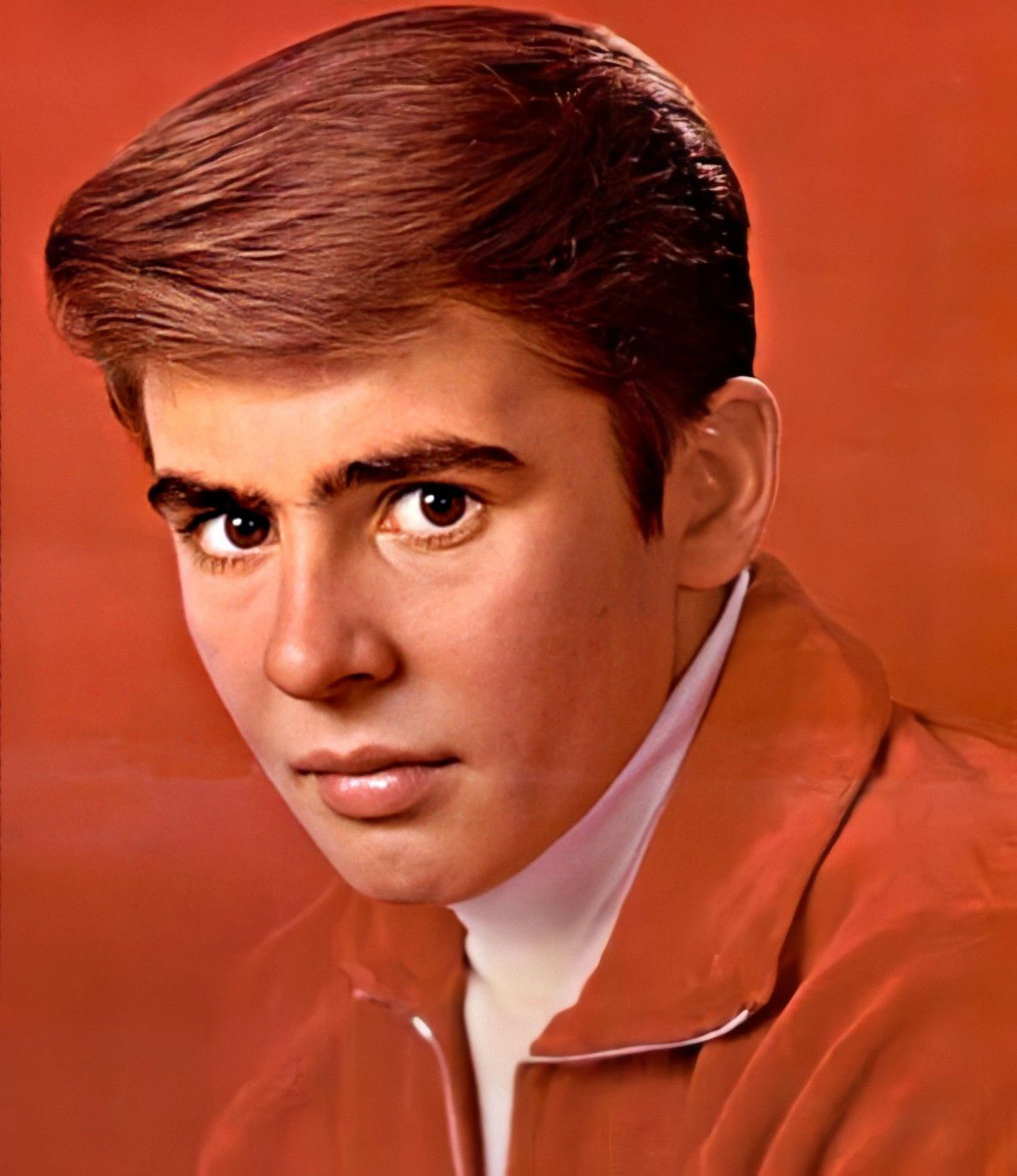
Attr: Colpix Records
| 27 Quotes | |
| Born as | David Thomas Jones |
| Occup. | Musician |
| From | United Kingdom |
| Born | December 30, 1945 England |
| Age | 80 years |
| Cite | |
Citation Formats
APA Style (7th ed.)
Davy jones biography, facts and quotes. (2026, February 11). FixQuotes. https://fixquotes.com/artists/davy-jones/
Chicago Style
"Davy Jones biography, facts and quotes." FixQuotes. February 11, 2026. https://fixquotes.com/artists/davy-jones/.
MLA Style (9th ed.)
"Davy Jones biography, facts and quotes." FixQuotes, 11 Feb. 2026, https://fixquotes.com/artists/davy-jones/. Accessed 12 Feb. 2026.
Early Life and Background
David Thomas Jones was born on December 30, 1945, in Openshaw, Manchester, England, into a working-class city still marked by wartime rationing and the long aftertaste of industrial decline. Manchester in the 1950s offered little romance about celebrity - it was a place of shift work, packed terraces, and local dance halls where American rock and roll arrived like contraband hope. Jones grew up small in stature but quick in presence, a boy alert to performance as a form of escape and control.His earliest ambitions were not musical at all but athletic: he gravitated toward horse racing, drawn to its discipline and precarious glamour. The jockey world gave him a vocabulary of nerves and timing - the private work behind public spectacle - that later served him in theater and television. That split between ordinary life and the heightened stage became a permanent tension in his personality, and he learned early to translate restlessness into craft.
Education and Formative Influences
Jones attended school in Manchester and pursued an apprenticeship as a jockey, training at Newmarket, where the routines of weighing, dieting, and constant evaluation sharpened his sense of professional vulnerability. A decisive shift came when he moved into acting and musical theater, studying performance through practice rather than academia and absorbing the British entertainment tradition of hardworking variety: light comedy, pop songcraft, and the expectation that a performer could sing, act, charm, and hit marks on cue.Career, Major Works, and Turning Points
In the early 1960s Jones broke through on the British stage as the Artful Dodger in the West End production of Oliver!, later appearing on Broadway and on The Ed Sullivan Show in 1964 - a moment that placed him in the same televised frame as the Beatles and hinted at the coming merger of pop music and mass media. After television work in the UK, he relocated to the United States and, in 1966, became a central figure in The Monkees, the made-for-TV band that turned a weekly sitcom into a real hit-making enterprise: "Last Train to Clarksville", "Daydream Believer", and "I'm a Believer" defined a bright, tightly produced side of 1960s pop. The group also embodied the era's argument about authenticity - studio creation versus live musicianship - and Jones lived inside that contradiction, both product and performer. After The Monkees' original run ended in 1968, he pursued solo recording, stage work, and touring, with periodic Monkees reunions that reintroduced him to new generations until his death in 2012.Philosophy, Style, and Themes
Jones projected boyish romanticism, but his inner life often sounded more pragmatic than the teen-idol image suggested. His best performances balance sweetness with a faint edge of longing - a voice that sells devotion while admitting distance, as if affection were also a role to be protected. He understood fame as a costume that audiences felt entitled to own, and he fought that ownership not with scandal but with steadiness, repeatedly steering the narrative back to work, family, and normalcy.That stance appears in how he talked about status and expectation: "You can put me in the basement or the penthouse; it doesn't matter to me". He also bristled at the stereotype of celebrity excess - "People always expect you to be jumping out of a Rolls Royce and being in the papers for drunk and disorderly or sleeping around". - and insisted on a domestic anchor, framing desire and responsibility without euphemism: "I'm a married man. If I want sex at this particular point in my life, I go home for it". Psychologically, these lines read less as prudishness than as self-defense: boundaries against the consuming intimacy of fandom, a way to keep the self intact while selling an image built on emotional access.
Legacy and Influence
Jones remains one of the defining faces and voices of 1960s pop television, a performer who helped prove that a screen persona could translate into genuine musical impact and enduring catalog life. The Monkees' model - band as multimedia narrative, songs as episodes of identity - anticipated later pop manufacturing while also leaving a body of work that outlived its premise. For fans, he became a template for approachable stardom: polished yet determinedly human, nostalgic without being trapped by nostalgia, and remembered as a craftsman who survived the teen-idol machine by insisting that the real story, quietly, was work.Our collection contains 27 quotes written by Davy, under the main topics: Witty One-Liners - Funny - Music - Writing - Life.
Other people related to Davy: Michael Nesmith (Musician), Peter Tork (Musician)
Source / external links