
Dorothy Fields Biography Quotes 19 Report mistakes
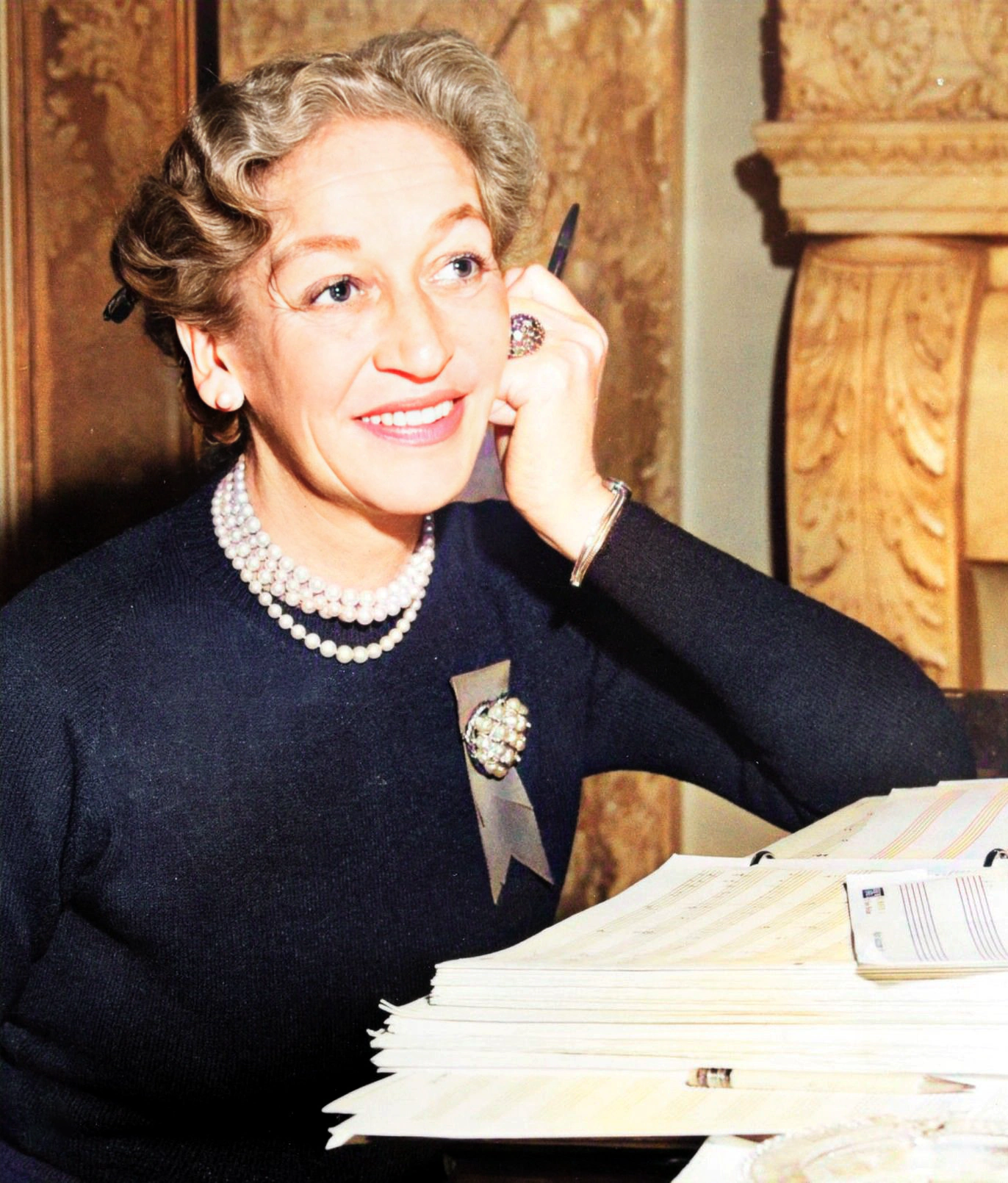
| 19 Quotes | |
| Occup. | Musician |
| From | USA |
| Born | July 15, 1905 Allenhurst, New Jersey, U.S. |
| Died | March 28, 1974 New York City, U.S. |
| Aged | 68 years |
| Cite | |
Citation Formats
APA Style (7th ed.)
Dorothy fields biography, facts and quotes. (2026, February 11). FixQuotes. https://fixquotes.com/artists/dorothy-fields/
Chicago Style
"Dorothy Fields biography, facts and quotes." FixQuotes. February 11, 2026. https://fixquotes.com/artists/dorothy-fields/.
MLA Style (9th ed.)
"Dorothy Fields biography, facts and quotes." FixQuotes, 11 Feb. 2026, https://fixquotes.com/artists/dorothy-fields/. Accessed 13 Feb. 2026.
Early Life and Background
Dorothy Fields was born July 15, 1905, in Allenhurst, New Jersey, and grew up between the orbit of Manhattan theater and the quieter domestic rhythms that made Broadway seem, to most families, like a distant planet. She was the youngest child of Lew Fields, half of the vaudeville team Weber and Fields, a comedian-producer whose career spanned the rough-and-tumble variety stages of the 1890s and the increasingly organized commercial theater of the early 20th century. In that household, show business was not glamorous abstraction but payrolls, rehearsals, touring schedules, and the constant appraisal of audiences.Fields came of age at a hinge-point in American popular culture: Tin Pan Alley was becoming national common language through records and radio, while women were newly visible in public life after suffrage yet still expected to treat careers as temporary or secondary. The death of her father in 1911 left the family with both legacy and pressure, and Dorothy absorbed an early lesson that applause was fleeting while craft and judgment endured. The theater was her inheritance, but also her proving ground.
Education and Formative Influences
After schooling in New York, she entered theatrical work from the inside out, learning how shows were built, sold, and remembered. She began by handling materials around her father's legacy and, crucially, training her taste on how professionals argued about quality, structure, and intent rather than merely celebrity. That habit of reading the room - the critics' language, the audience's patience, the producer's anxieties - became her private education in dramatic mechanics, and it later separated her lyrics from the ornamental: they were engineered to function.Career, Major Works, and Turning Points
Fields broke through in the late 1920s as a lyricist in a profession dominated by men, writing for revues and quickly moving into major stage and film assignments. Her early Broadway success included "Sweet Charity" era? No - her defining early landmark was the Cotton Club-adjacent hit "I Can't Give You Anything but Love" (1928), written with composer Jimmy McHugh, followed by a stream of standards such as "On the Sunny Side of the Street" and "The Way You Look Tonight" (1936), the latter earning an Academy Award with Jerome Kern. She became a rare figure who could move fluently between Broadway and Hollywood, collaborating with composers including Kern, McHugh, Arthur Schwartz, and later Cy Coleman. In mid-century Broadway, she co-wrote the book and lyrics for "Redhead" (1959) and later provided lyrics for "Sweet Charity" (1966), helping translate Bob Fosse's hard-edged urban theatricality into songs that felt conversational yet inevitable. Over decades of shifting tastes - jazz-age wit, wartime sentiment, postwar sophistication - she remained commercially central without surrendering structural discipline.Philosophy, Style, and Themes
Fields treated songwriting as dramaturgy, not decoration. She insisted that a lyric had to behave like an actor: to reveal motive, sharpen conflict, and change the temperature of the scene. "A song must move the story ahead. A song must take the place of dialogue. If a song halts the show, pushes it back, stalls it, the audience won't buy it; they'll be unhappy". That credo explains why even her most hummable refrains often carry a hinge of decision or self-recognition - lovers negotiating pride, showgirls weighing fantasy against rent, optimists masking fatigue with brightness. Her rhymes are clean but never merely clever; she aimed for speech that sings, compressing character into a line that sounds inevitable once heard.Her inner life, as it appears through interviews and working habits, fused a private need for expression with a public understanding of constraints. "Write what you feel. Write because of that need for expression". Yet she also watched the economics and gender politics of her trade with clear eyes, arguing that the scarcity of women in songwriting reflected time, access, and social expectation more than ability: "There aren't more lady songwriters for the same reason that there aren't more lady doctors or lady accountants or lady lawyers; not enough women have the time for careers". That tension - between feeling and feasibility, romance and arithmetic - animates much of her best work: the voice is warm, but the intelligence is unsentimental.
Legacy and Influence
Fields died March 28, 1974, in New York City, leaving a catalog that still circulates as both repertoire and craft lesson. She helped define the American musical's lyrical standard: songs that sound effortless while performing precise narrative labor, and romantic lines that acknowledge real-world limits without losing sparkle. As one of the most successful female lyricists of the 20th century, she also became a reference point for later generations navigating the same structural barriers she named. Her influence persists whenever a musical number advances plot with conversational grace, and whenever a lyricist chooses clarity, character, and emotional truth over ornamental rhyme.Our collection contains 19 quotes written by Dorothy, under the main topics: Friendship - Love - Music - Writing - Equality.
Other people related to Dorothy: Benny Green (Musician), Gwen Verdon (Dancer), Bobby Short (Musician)
Source / external links