
Ednita Nazario Biography Quotes 13 Report mistakes
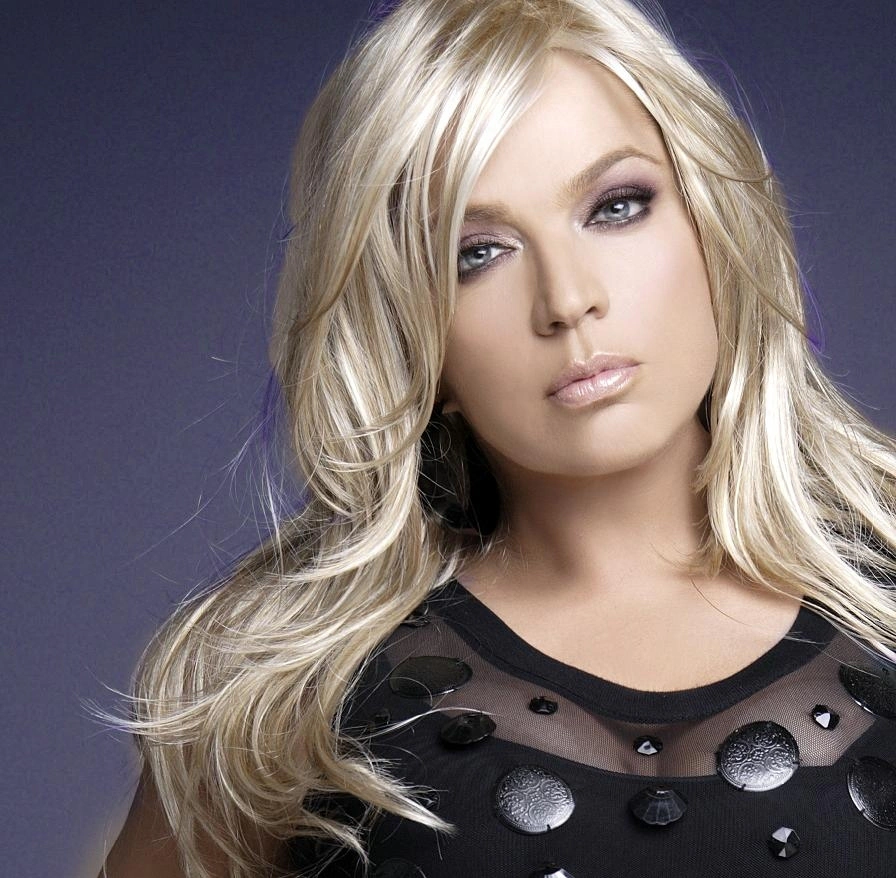
| 13 Quotes | |
| Occup. | Musician |
| From | USA |
| Born | April 11, 1950 Ponce, Puerto Rico |
| Age | 75 years |
| Cite | |
Citation Formats
APA Style (7th ed.)
Ednita nazario biography, facts and quotes. (2026, February 11). FixQuotes. https://fixquotes.com/artists/ednita-nazario/
Chicago Style
"Ednita Nazario biography, facts and quotes." FixQuotes. February 11, 2026. https://fixquotes.com/artists/ednita-nazario/.
MLA Style (9th ed.)
"Ednita Nazario biography, facts and quotes." FixQuotes, 11 Feb. 2026, https://fixquotes.com/artists/ednita-nazario/. Accessed 12 Feb. 2026.
Early Life and Background
Ednita Nazario was born April 11, 1950, in New York City to Puerto Rican parents who moved between the mainland and the island in the postwar era, part of the great Puerto Rican migration that reshaped neighborhoods, radio, and popular music on both sides of the Caribbean. Her earliest memories were formed in a bilingual, working-class world where the distance between Manhattan streets and island patios could be crossed in a single household - by food, idiom, and especially song.As a child she learned that a voice could function as both refuge and announcement. Family gatherings, church melodies, and the constant pulse of Latin recordings taught her rhythm as something lived rather than studied, and the culture around her taught her expectation: you show up, you endure, and you do not separate ambition from loyalty. That emotional apprenticeship - private discipline in service of public feeling - would later become a hallmark of her performances.
Education and Formative Influences
Nazario developed early as a singer and actress, drawn to the stage at a time when Puerto Rican artists were fighting to be heard beyond novelty roles and segregated radio formats; she absorbed classic Latin ballad traditions alongside Anglo pop and Broadway craft, building a versatile dramatic sense that could carry confession without sacrificing control. By her teens she was performing professionally, and as she relocated to Puerto Rico she entered a show-business ecosystem where television, festivals, and recording labels could rapidly turn a gifted vocalist into a national figure.Career, Major Works, and Turning Points
Her breakthrough came in Puerto Rico in the early 1970s, when she won the island edition of the OTI Festival (1972) and became a fixture on television and in live venues, translating acting instincts into vocal storytelling. Across the 1970s and 1980s she released a steady run of Spanish-language albums that established her as a major interpreter of romantic pop and power ballads, and by the 1990s she was widely recognized as one of Puerto Rico's defining voices, with concerts that emphasized high-wire dynamics and emotional precision. Later decades brought periodic reinventions - modern production, new composers, and a more explicitly autobiographical stage persona - while she continued to tour internationally, navigating the realities of a U.S.-based industry that often treated Latin music as a separate marketplace even as Latino audiences expanded it.Philosophy, Style, and Themes
Nazario's inner life, as it appears through her repertoire and interviews, is built around a tension she never tries to erase: toughness as the condition for tenderness. She frames identity through kinship, describing a moral center rooted in obligation and care - "I come from that society and there is a common thread, specifically family values - the idea that you do anything for your family, and the unconditional love for one's children". In her best-known ballads, love is rarely a decorative feeling; it is a contract tested by jealousy, absence, and pride, and her interpretive choices suggest she believes devotion is meaningful only when it costs something.Technically, she treats clarity as ethics. She has said, "The voice has to be very clear at all times in order to convey the emotion". , and her style follows that creed: clean attack, sustained lines, and a climactic architecture that makes the final chorus feel earned rather than automatic. She is also attentive to the politics of genre, observing, "In America, music is more tightly categorized". , a remark that helps explain her career-long refusal to sing as though labels were destiny. Even when production trends change, her performances insist that the singer's job is to make a listener believe the narrative is happening now, not in the past tense of a hit.
Legacy and Influence
Nazario endures as a model of the Puerto Rican diva tradition updated for the era of crossover markets: emotionally direct, technically disciplined, and theatrically intelligent without becoming mannered. For younger Latin pop and ballad singers, her catalog offers a template for sustaining a long career through reinvention while guarding interpretive authority; for audiences, she represents a bilingual diaspora story in which private values become public art. Her influence is heard less in imitation than in permission: the permission to be forceful, sentimental, and uncompromising at once, and to treat the song as a lived argument rather than a disposable performance.Our collection contains 13 quotes written by Ednita, under the main topics: Music - Learning - Equality - Confidence - Family.
Source / external links