
Emma Bunton Biography Quotes 6 Report mistakes
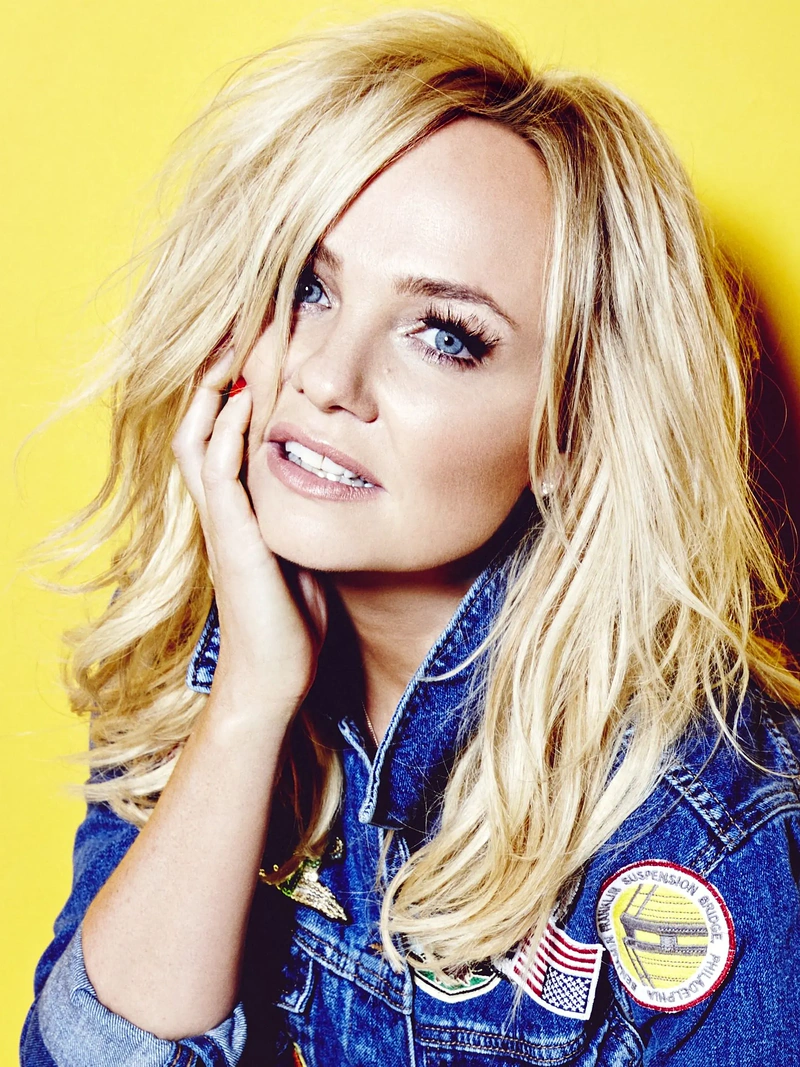
Attr: hollywoodreporter.com
| 6 Quotes | |
| Born as | Emma Lee Bunton |
| Occup. | Musician |
| From | United Kingdom |
| Born | January 10, 1976 Finchley, London, England |
| Age | 50 years |
| Cite | |
Citation Formats
APA Style (7th ed.)
Emma bunton biography, facts and quotes. (2026, February 11). FixQuotes. https://fixquotes.com/artists/emma-bunton/
Chicago Style
"Emma Bunton biography, facts and quotes." FixQuotes. February 11, 2026. https://fixquotes.com/artists/emma-bunton/.
MLA Style (9th ed.)
"Emma Bunton biography, facts and quotes." FixQuotes, 11 Feb. 2026, https://fixquotes.com/artists/emma-bunton/. Accessed 28 Mar. 2026.
Early Life and Background
Emma Lee Bunton was born on January 10, 1976, in Finchley, North London, England, and grew up in a Britain where post-Thatcher consumer culture and tabloid celebrity were accelerating at the same time that young people were gaining new, marketable forms of voice through pop. She was raised in a close North London family and, from early on, learned the practical art of performance - not as abstract ambition, but as something you did in rooms with adults judging you, in auditions that required cheerfulness under pressure.Her childhood and teens unfolded just as UK pop began retooling itself for the coming globalized, TV-saturated era: music videos, weekend chart shows, branded fashion, and the promise that a "type" could become a career. Bunton had an approachable warmth that read on camera, and she also had the disciplined temperament needed for repetition - rehearsals, harmonies, and choreography - the unglamorous scaffolding beneath the later "Baby Spice" ease.
Education and Formative Influences
Bunton trained at the Sylvia Young Theatre School in London, a pipeline for British screen and stage talent that prized professionalism and quick adaptation; it gave her vocal grounding, stagecraft, and the emotional stamina to treat performance as work rather than mood. In a cohort culture where identities were sharpened to be legible, she learned how a persona can be both limiting and liberating - a set of choices that, when controlled, protects the self inside it.Career, Major Works, and Turning Points
After early auditions and group experiments, Bunton became one-fifth of the Spice Girls, formed in 1994 and propelled to global dominance after signing to Virgin; "Wannabe" (1996) made them the defining pop phenomenon of late-1990s Britain, with "Spiceworld" (1997) and its film cementing their crossover celebrity. Marketed as "Baby Spice", Bunton balanced the group's louder archetypes with melodic steadiness and a gentler comedic timing. The group's first hiatus in 2000 forced each member to test what remained without the collective brand; Bunton's solo debut, "A Girl Like Me" (2001), and its hit "What Took You So Long?" showed an instinct for bright, radio-friendly craft, while "Free Me" (2004) pivoted toward classic pop and 1960s-inspired arrangement. Later, she broadened into television and radio - including a long run on Heart FM and recurring TV work - and rejoined the Spice Girls for major reunion tours (notably 2007-08 and 2019), negotiating nostalgia on her own terms while continuing solo releases such as "My Happy Place" (2019).Philosophy, Style, and Themes
Bunton's public philosophy has been consistently plainspoken: self-possession, kindness, and an insistence that glamour should not require cruelty. “Be yourself, take control of your life”. That line captures a psychology formed in an industry that sells young women a prepackaged self; she understood early that the only way to survive being marketed is to keep authorship somewhere - in private boundaries, in work habits, in choosing when to lean into an image and when to step out of it. The famed sweetness of "Baby" was never only sugar - it functioned as strategy, a way to stay readable and unthreatening while the machinery of fame churned.Her style favors melodic clarity and affectionate retro touches, and her themes circle domestic joy, romantic hope, and self-respect - a pop emotional palette that resists cynicism. “Be sweet, be good, and honest always”. is less a slogan than a thesis for her career longevity: in a period when scandal often substituted for artistry, Bunton made steadiness a brand. Even her embrace of color reads as an assertion of choice rather than a trap of cuteness: “I don't think I will ever get tired of wearing pink”. In that stubborn fondness is a quiet refusal to be shamed out of femininity, a message that resonated with listeners who wanted permission to be soft without being dismissed.
Legacy and Influence
Bunton's enduring influence is inseparable from the Spice Girls' larger legacy: they helped define "girl power" as a mass-market idea in the 1990s, reshaped the economics of pop merchandising, and widened the lane for British female groups on the global stage. Yet her specific contribution was tonal - a model of warmth that could still be professional, and of femininity that could be both playful and self-directed. Through solo work, broadcasting, and reunions handled with care, she has remained a familiar, stabilizing presence in UK popular culture, emblematic of an era when pop became a world language and a reminder that a carefully chosen persona can protect, not erase, the person behind it.Our collection contains 6 quotes written by Emma, under the main topics: Funny - Music - Kindness - Aesthetic - Food.
Other people related to Emma: Victoria Beckham (Musician), Geri Halliwell (Musician), Melanie Brown (Musician)