
Fantasia Barrino Biography Quotes 7 Report mistakes
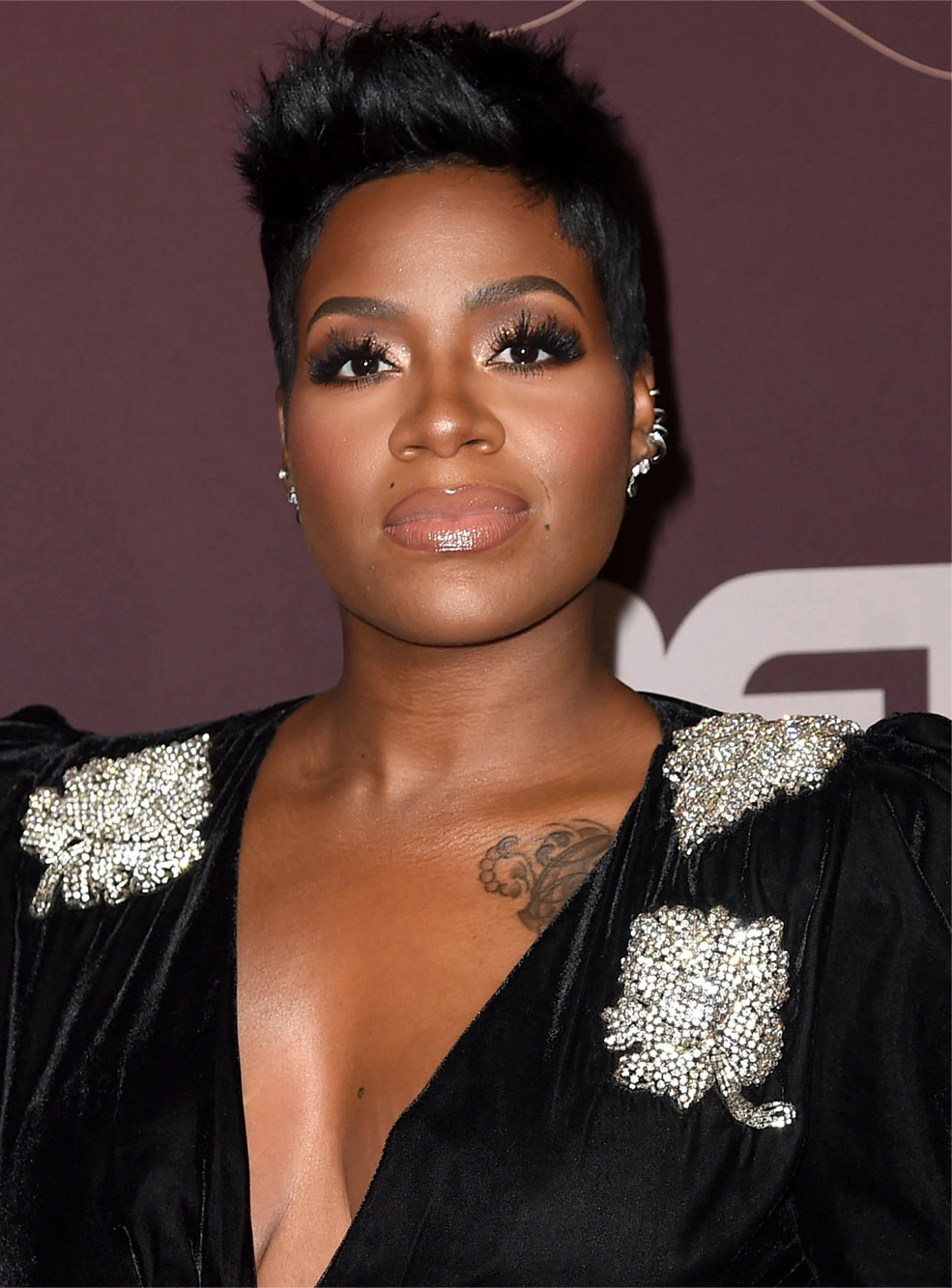
| 7 Quotes | |
| Born as | Fantasia Monique Barrino |
| Known as | Fantasia |
| Occup. | Musician |
| From | USA |
| Spouse | Kendall Taylor |
| Born | June 30, 1984 High Point, North Carolina, USA |
| Age | 41 years |
| Cite | |
Citation Formats
APA Style (7th ed.)
Fantasia barrino biography, facts and quotes. (2026, March 14). FixQuotes. https://fixquotes.com/artists/fantasia-barrino/
Chicago Style
"Fantasia Barrino biography, facts and quotes." FixQuotes. March 14, 2026. https://fixquotes.com/artists/fantasia-barrino/.
MLA Style (9th ed.)
"Fantasia Barrino biography, facts and quotes." FixQuotes, 14 Mar. 2026, https://fixquotes.com/artists/fantasia-barrino/. Accessed 26 Mar. 2026.
Early Life and Background
Fantasia Monique Barrino was born on June 30, 1984, in High Point, North Carolina, into a family where music was less an extracurricular pursuit than a language of survival. She grew up in a working-class, church-centered environment shaped by gospel performance, family instability, and the social pressures of the post-industrial South. Her father, Joseph Barrino, and other relatives performed in gospel groups, and from childhood she absorbed the cadences of testimony, melisma, and public feeling that would later define her singing. The church was not merely a venue; it was her first emotional training ground, teaching her that voice could be confession, resistance, and release at once.
Her early years were also marked by hardship. Barrino has spoken openly about being sexually assaulted as a child, a trauma that deepened her sense of vulnerability and mistrust while also strengthening the fierce, wounded intensity audiences would later hear in her performances. As a teenager she became pregnant and gave birth to her daughter, Zion, while still very young, then left formal schooling amid bullying and personal strain. Those experiences placed her outside the usual script of celebrity grooming. Before fame, she was a young Black Southern mother navigating poverty, interrupted education, and the daily humiliations that often go unrecorded in entertainment biographies but remain central to understanding the emotional stakes of her art.
Education and Formative Influences
Barrino's education was fragmented in institutional terms but rich in oral, musical, and performative formation. She did not follow a conventional academic path after dropping out of high school, yet her apprenticeship in church music was exacting: phrasing learned from gospel singers, emotional timing learned before congregations, and endurance learned through family performance culture. She listened across gospel, R&B, soul, and classic vocal storytelling, drawing from artists such as Aretha Franklin, Patti LaBelle, and other singers whose authority came from lived experience rather than polish alone. Her formative influence was the Black church tradition in which technical imperfection could be redeemed by truth-telling, and where a singer's credibility depended on whether listeners believed the pain and joy in the sound.
Career, Major Works, and Turning Points
Barrino's life changed in 2004 when she auditioned for the third season of American Idol and won, becoming one of the show's most memorable champions through raw charisma and emotionally unguarded vocals. Her coronation single, "I Believe", debuted at number one, and her first album, Free Yourself (2004), established her as a major R&B voice, earning Grammy nominations and yielding songs such as "Truth Is" and the title track. Her second album, Fantasia (2006), expanded her reach, while Back to Me (2010), featuring "Bittersweet", brought her a Grammy Award. She moved beyond recording into musical theater with a widely praised performance as Celie in The Color Purple on Broadway, a role that sharpened her dramatic authority and linked her to a lineage of Black women's endurance narratives. Her memoir Life Is Not a Fairy Tale and its television adaptation presented fame not as rescue but as collision with depression, financial distress, public scandal, and recovery. Later albums including Side Effects of You (2013), The Definition Of... (2016), and Sketchbook (2019) showed an artist resisting narrow genre marketing in favor of testimony-driven soul. Another major turning point came when she joined the film adaptation of The Color Purple, confirming her staying power across mediums.
Philosophy, Style, and Themes
Barrino's artistic philosophy begins with feeling before finish. “I'm very soulful. I grew up singing in church. When I sing a song, I like to feel what I'm singing”. That statement is less a generic description than a key to her psychology: she does not present emotion as an ornament added to craft but as the source from which craft must emerge. Her voice often sounds on the verge of breaking because vulnerability is central to its authority. Equally revealing is her recollection of ambition forged through frustration: “I've been wanting to sing for a long time. I've been singing all my life, and I've tried different record companies, but it seemed like - it was such a struggle and so hard to get out there. So, I said, 'I'm gonna go on American Idol and see how far it takes me.'”. The quote captures her pragmatism. Television fame, for her, was not fantasy but strategy - a route out of invisibility.
On stage, Barrino transforms private strain into communal release. “When I'm out on the stage, it gives me this rush and anything that's on my mind and everything I'm going through is forgotten about”. This helps explain the almost therapeutic force of her performances: singing is not escape from self so much as a temporary reordering of pain into purpose. Her style joins gospel grit, Southern soul attack, and R&B phrasing, but the deeper theme is survival with dignity. She has often projected sensuality and glamour, yet beneath the fashion and celebrity image lies a recurring insistence that brokenness need not cancel worth. Many of her best performances carry the tension between battered self-esteem and hard-earned self-possession, which is why audiences respond to her not merely as a vocalist but as a witness.
Legacy and Influence
Fantasia Barrino's legacy rests on the rarity of her emotional transparency in a heavily managed entertainment culture. She emerged from the American Idol era, yet unlike many reality-born stars, she has remained credible because her artistry exceeds the format that introduced her. She helped redefine what a post-television music career could look like for a Black female vocalist rooted in gospel and soul rather than pop neutrality. Her Broadway and film work broadened her significance, while her public candor about trauma, literacy struggles, depression, and financial setbacks made her a figure of identification for listeners who saw in her a more truthful version of success - unstable, costly, and still worth fighting for. Her enduring influence lies in the way she made pain audible without surrendering to it.
Our collection contains 7 quotes written by Fantasia, under the main topics: Music - Live in the Moment - Confidence - Aesthetic.
Other people related to Fantasia: Walt Disney (Cartoonist), William Redington Hewlett (Businessman), David Packard (Businessman), Joe Grant (Artist), Ralph Vaughan Williams (Composer)
Source / external links