
Foxy Brown Biography Quotes 21 Report mistakes
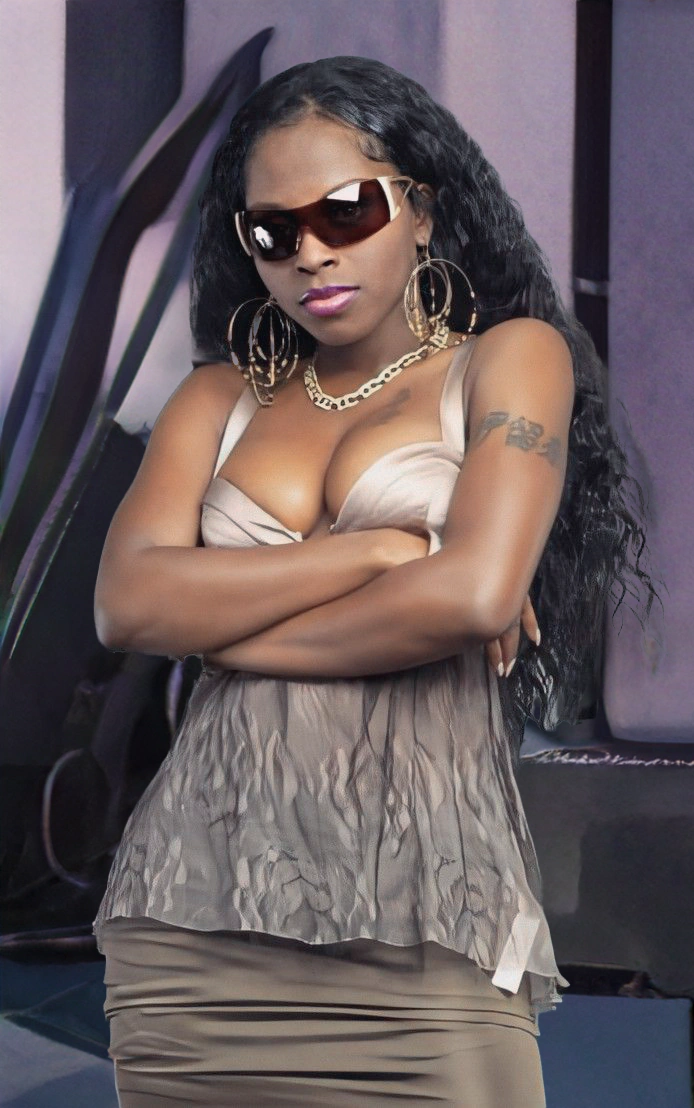
| 21 Quotes | |
| Born as | Inga DeCarlo Fung Marchand |
| Known as | Fox Boogie |
| Occup. | Musician |
| From | USA |
| Born | September 6, 1978 Brooklyn, New York, USA |
| Age | 47 years |
| Cite | |
Citation Formats
APA Style (7th ed.)
Foxy brown biography, facts and quotes. (2026, February 11). FixQuotes. https://fixquotes.com/artists/foxy-brown/
Chicago Style
"Foxy Brown biography, facts and quotes." FixQuotes. February 11, 2026. https://fixquotes.com/artists/foxy-brown/.
MLA Style (9th ed.)
"Foxy Brown biography, facts and quotes." FixQuotes, 11 Feb. 2026, https://fixquotes.com/artists/foxy-brown/. Accessed 5 Mar. 2026.
Early Life and Background
Inga DeCarlo Fung Marchand was born September 6, 1978, in Brooklyn, New York, into a city and a decade that treated rap as both neighborhood reportage and upward-mobility engine. Raised amid the late-1980s and early-1990s boom of New York hip-hop, she absorbed the borough-to-borough rivalries, the mixtape economy, and the glamour-and-grit dialect of an era when a young rapper could be both street narrator and pop aspirant.Family structure and neighborhood life mattered to her self-conception. Even as her public persona hardened into the sleek, unflinching "Foxy Brown" image, Marchand repeatedly framed herself as someone conscious of propriety and origins - a performer who could sell danger while privately insisting on discipline, faith, and respectability. That tension between image and inner life became a recurring engine of her story: a woman from Brooklyn carrying the expectations of home into an industry that monetized transgression.
Education and Formative Influences
Marchand attended Brooklyn schools and emerged as a teenage talent in the local circuit at a moment when women in rap were expanding beyond novelty roles into technical, commercially central stars. She was shaped by the hard lyricism of New York radio, the brash elegance of late-1990s rap fashion, and the industry template being built by superstar collectives and label empires, where a young artist could be introduced through high-profile guest verses and then spun into a branded solo career.Career, Major Works, and Turning Points
Her breakthrough arrived fast: a featured appearance on LL Cool J's "I Shot Ya" (1995) placed her in elite company as a teenager, followed by a high-visibility role in the supergroup The Firm alongside Nas, AZ, and Nature (album: The Firm, 1997). She then launched as a solo act with Ill Na Na (1996), a platinum-era showcase of her cool-toned delivery, fashion-forward menace, and radio-ready hooks; later albums included Chyna Doll (1999) and Broken Silence (2001). The 2000s brought volatility - label turbulence, public feuds, hearing problems that affected performances, and legal trouble culminating in a 2007-2008 incarceration related to probation and an assault case, a period she later portrayed as a crucible that tested both her identity and her relationship with the public.Philosophy, Style, and Themes
Marchand's artistry is built on duality: erotic bravado and controlled technique, vulnerability masked by composure, and the constant question of where the person ends and the persona begins. She insisted on that separation with unusual explicitness, treating "Foxy" as a role with its own armor and appetites while describing "Inga" as governed by faith and private loyalty: “The Foxy character and Inga Marchand are two different people. My fiance calls me Inga. No one around me calls me Foxy. I go to church every Sunday. I go to Bible study every Friday night. I'm saved”. Read psychologically, the statement functions as boundary-making - a way to keep the industry's projections from consuming the self, and to reframe controversy as occupational hazard rather than moral essence.Her style in the late 1990s helped codify a particular kind of female authority in rap: not apologetic, not comedic, and not dependent on male framing, even when surrounded by heavyweight collaborators. Yet the same era's sensational media logic also turned her name into a headline magnet, a dynamic she experienced as punitive and surreal. When she reflected on incarceration and public scrutiny, she emphasized the disorientation of being tried as an archetype more than as an individual: “I did almost a year in prison, a year in prison, just because my name is Foxy Brown”. That line reveals a recurring theme in her narrative - the cost of fame as a second legal identity, a kind of shadow passport that can amplify punishment, suspicion, and misunderstanding. Against that, she offered an ethic of self-revision, implying that survival required internal renovation as much as public defense: “I'm willing to do whatever I need to do to change”. Legacy and Influence
Foxy Brown remains a defining figure of late-1990s New York rap - a rapper whose early technical poise and mainstream dominance broadened what a female lyricist could sound and look like at the center of the genre rather than at its margins. Her work helped normalize the idea that feminine glamour and lyrical intimidation could coexist without apology, influencing later generations of women MCs navigating persona, sexuality, and power as strategic tools. Just as enduring is her cautionary imprint: a case study in how celebrity can harden into a character that the public insists on prosecuting, even as the artist keeps arguing for the reality of the person behind the name.
Our collection contains 21 quotes written by Foxy, under the main topics: Justice - Never Give Up - Love - Music - Life.
Other people related to Foxy: Pam Grier (Actress)
Source / external links